Committee approves process for political subdivisions to assume abandoned canal easements
February 25, 2026 | 2026 Utah Legislature, Utah Legislature, Utah Legislative Branch, Utah
This article was created by AI summarizing key points discussed. AI makes mistakes, so for full details and context, please refer to the video of the full meeting. Please report any errors so we can fix them. Report an error »
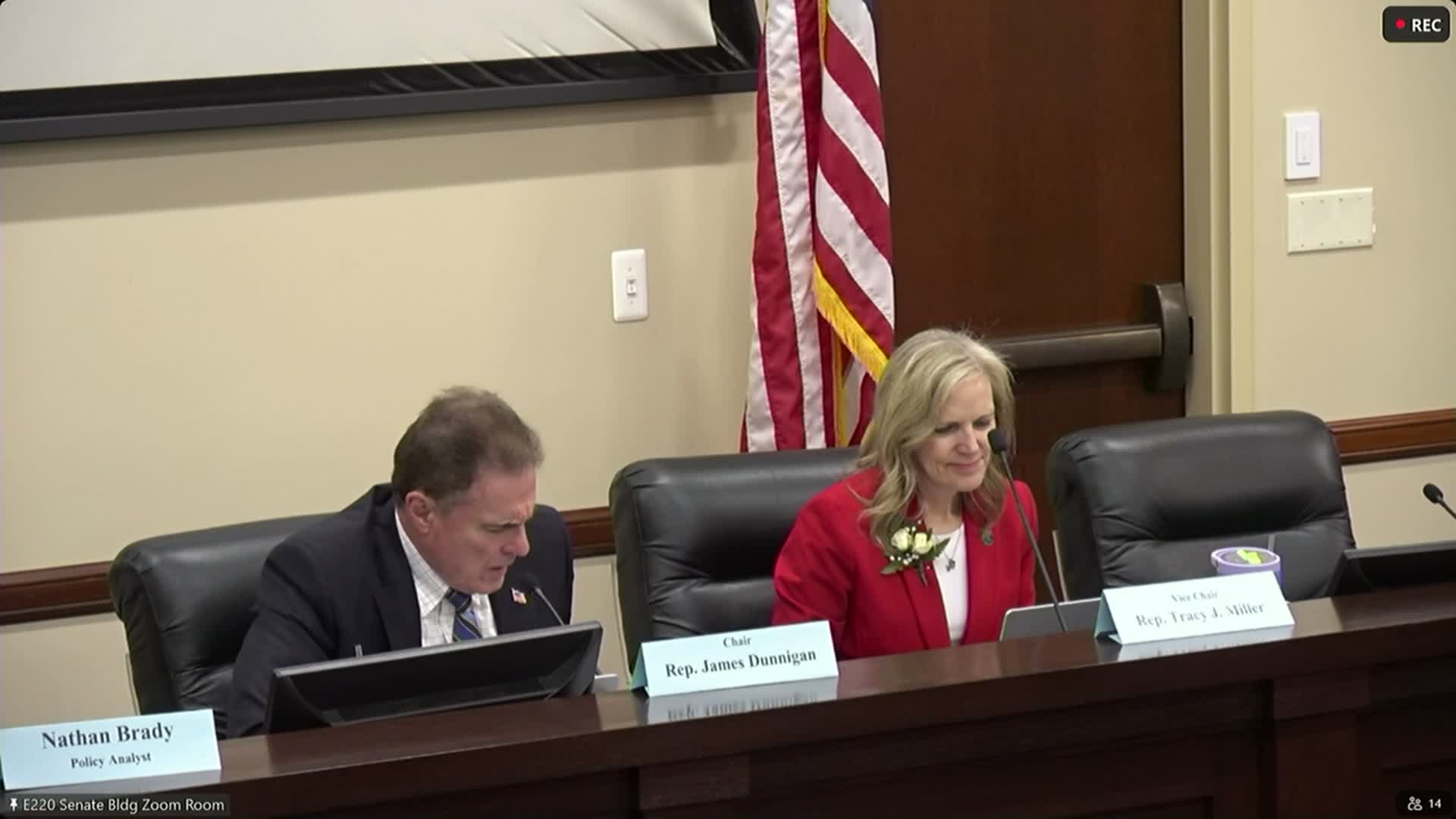
Representative Abbott presented HB 3-63, which creates a path for political subdivisions to take control of prescriptive easements when canal companies abandon canals. "When a canal company files an abandonment...a political subdivision can file a notice with the county recorder's office and send notice to the underlying owners and basically say we intend to take control of whatever prescriptive easement was held by that canal company," Abbott said.
The substitute spells out notice to adjoining or affected landowners and a 120-day objection window. Abbott and supporters said the bill cleans up title and preserves municipal ability to use canals for stormwater management or other public functions. Committee members and irrigation representatives pressed on questions of exchanges, historic irrigation use, whether this creates a de facto right of first refusal for municipalities, and how multi-jurisdiction canals are handled.
Irrigation company and county witnesses said many canal companies are mutual organizations that decline or cannot continue operations, leaving unmaintained canals; the bill provides a mechanism to clarify rights without preventing voluntary contractual arrangements. The League and special districts asked for clarity on dormancy/budget timing in later redevelopment conversation; Representative Ward moved adoption of the second substitute and the committee voted to recommend HB 3-63 favorably; Representative Walter recorded a nay on the final recommendation.
The substitute now moves forward with committee support; sponsors and stakeholders noted remaining technical areas to clarify around multi-jurisdictional canals and residential-owner impacts.
The substitute spells out notice to adjoining or affected landowners and a 120-day objection window. Abbott and supporters said the bill cleans up title and preserves municipal ability to use canals for stormwater management or other public functions. Committee members and irrigation representatives pressed on questions of exchanges, historic irrigation use, whether this creates a de facto right of first refusal for municipalities, and how multi-jurisdiction canals are handled.
Irrigation company and county witnesses said many canal companies are mutual organizations that decline or cannot continue operations, leaving unmaintained canals; the bill provides a mechanism to clarify rights without preventing voluntary contractual arrangements. The League and special districts asked for clarity on dormancy/budget timing in later redevelopment conversation; Representative Ward moved adoption of the second substitute and the committee voted to recommend HB 3-63 favorably; Representative Walter recorded a nay on the final recommendation.
The substitute now moves forward with committee support; sponsors and stakeholders noted remaining technical areas to clarify around multi-jurisdictional canals and residential-owner impacts.
Don't Miss a Word: See the Full Meeting!
Go beyond summaries. Unlock every video, transcript, and key insight with a Founder Membership.
✓
Get instant access to full meeting videos
✓
Search and clip any phrase from complete transcripts
✓
Receive AI-powered summaries & custom alerts
✓
Enjoy lifetime, unrestricted access to government data
30-day money-back guarantee
