Shelter-rescue notification bill sparks debate over definitions, costs and enforcement
February 25, 2026 | 2026 Utah Legislature, Utah Legislature, Utah Legislative Branch, Utah
This article was created by AI summarizing key points discussed. AI makes mistakes, so for full details and context, please refer to the video of the full meeting. Please report any errors so we can fix them. Report an error »
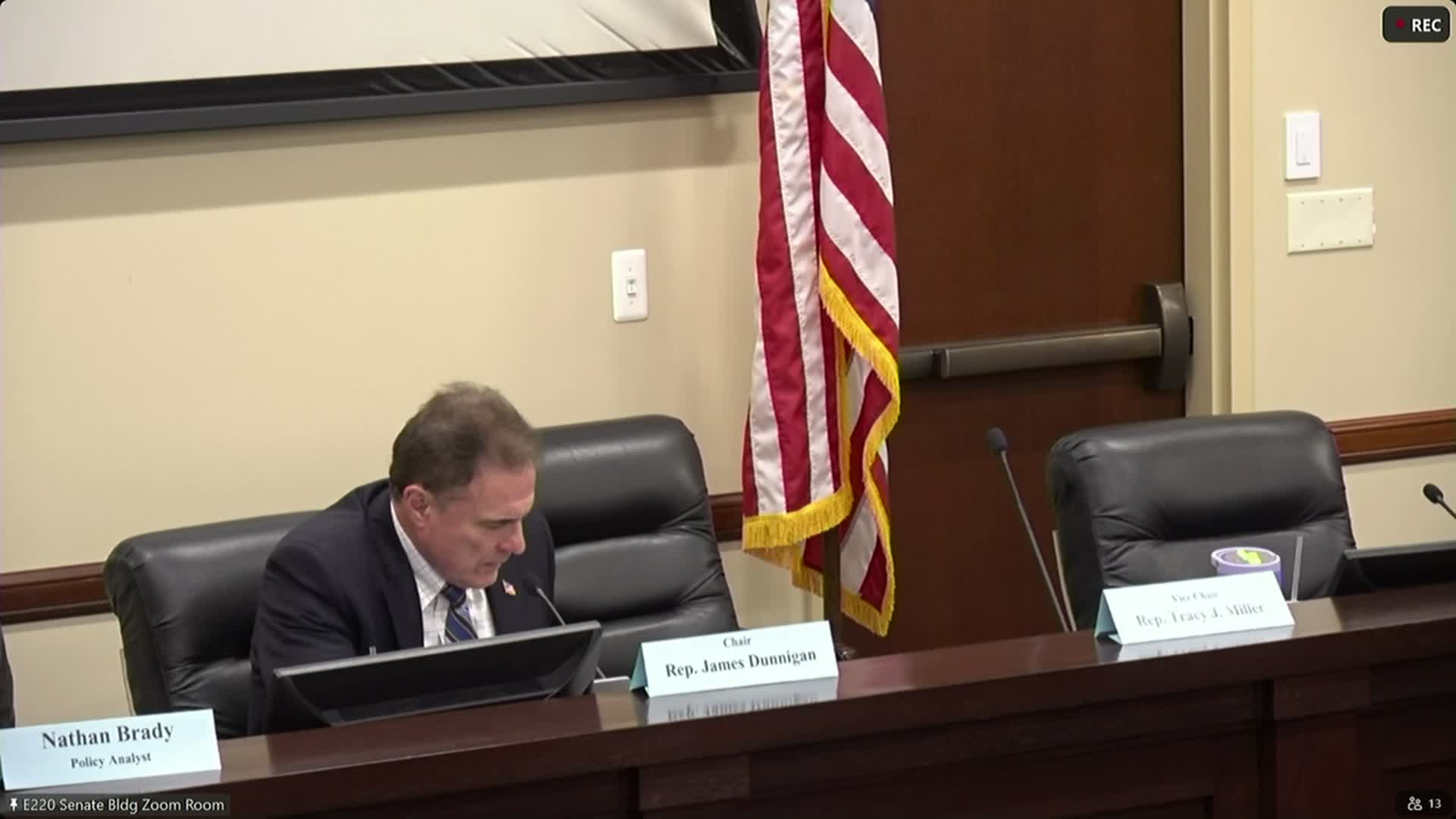
Senator Grover and Kate Hall of Best Friends Animal Society described SB 201/Sub 1 as an effort to increase positive outcomes for animals in Utah shelters by asking shelters to attempt early contact with local rescue organizations when animals arrive. "We're just asking that they make that attempt," Hall said, adding the proposal would not extend existing stray-hold periods or override local discretion for injured or dangerous animals.
Multiple municipal-shelter leaders and law enforcement officials testified with concerns. Rodney Hurst, chief of police and chair of a regional animal-services district, asked for a clear statutory definition of "animal rescue group" and urged guardrails on how shelter staff should vet organizations. Ian Williams, president of the Utah Animal Control Officers Association, argued the bill lacks a fiscal analysis and would shift costs—food, medical, kennel space and staffing—onto political subdivisions. Stephanie Whitehead (Payson City) said the bill would create inequities by applying requirements to public shelters while excluding private organizations.
Sponsor and supporters said many shelters already use similar outreach and that the substitute reduces mandates, preserves local control, and can save lives by enabling more transfers to willing rescues. Senator Grover and Kate Hall gave an estimate of roughly 1,200 animals statewide that could be placed rather than euthanized if transfers increase, and they characterized the change as modest operationally: posting animals online and sending notifications.
Representative Kohler moved to "move the agenda"—effectively tabling the bill for further work—after lengthy testimony noting unresolved definitions and fiscal concerns; the motion passed with two members recorded in opposition. Sponsors said they would continue negotiating clarifications with local shelters and law enforcement.
Multiple municipal-shelter leaders and law enforcement officials testified with concerns. Rodney Hurst, chief of police and chair of a regional animal-services district, asked for a clear statutory definition of "animal rescue group" and urged guardrails on how shelter staff should vet organizations. Ian Williams, president of the Utah Animal Control Officers Association, argued the bill lacks a fiscal analysis and would shift costs—food, medical, kennel space and staffing—onto political subdivisions. Stephanie Whitehead (Payson City) said the bill would create inequities by applying requirements to public shelters while excluding private organizations.
Sponsor and supporters said many shelters already use similar outreach and that the substitute reduces mandates, preserves local control, and can save lives by enabling more transfers to willing rescues. Senator Grover and Kate Hall gave an estimate of roughly 1,200 animals statewide that could be placed rather than euthanized if transfers increase, and they characterized the change as modest operationally: posting animals online and sending notifications.
Representative Kohler moved to "move the agenda"—effectively tabling the bill for further work—after lengthy testimony noting unresolved definitions and fiscal concerns; the motion passed with two members recorded in opposition. Sponsors said they would continue negotiating clarifications with local shelters and law enforcement.
Don't Miss a Word: See the Full Meeting!
Go beyond summaries. Unlock every video, transcript, and key insight with a Founder Membership.
✓
Get instant access to full meeting videos
✓
Search and clip any phrase from complete transcripts
✓
Receive AI-powered summaries & custom alerts
✓
Enjoy lifetime, unrestricted access to government data
30-day money-back guarantee
