Committee recommends limits and wrap-up timeline for redevelopment project areas
February 25, 2026 | 2026 Utah Legislature, Utah Legislature, Utah Legislative Branch, Utah
This article was created by AI summarizing key points discussed. AI makes mistakes, so for full details and context, please refer to the video of the full meeting. Please report any errors so we can fix them. Report an error »
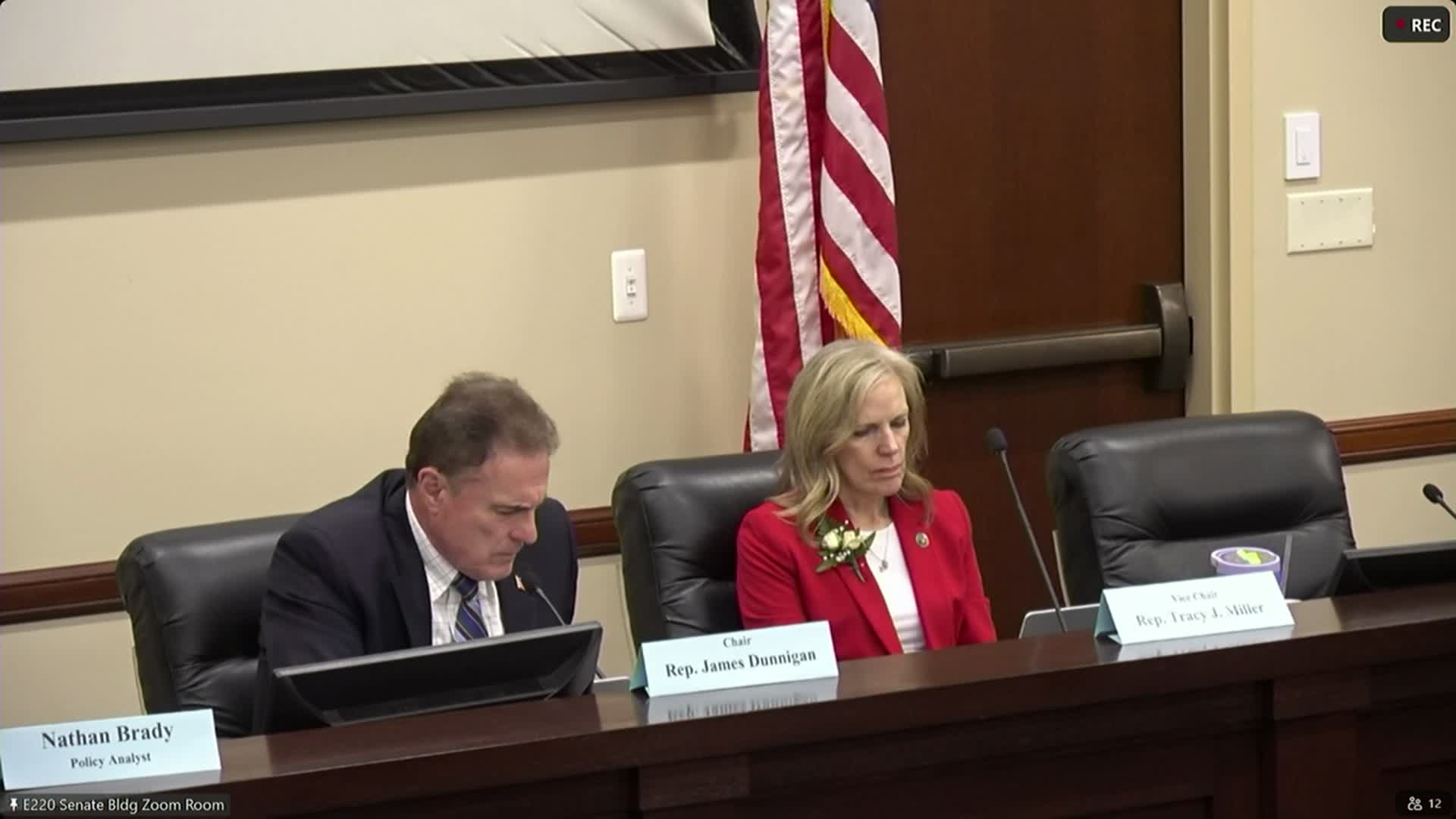
Senator Harper described SB 228 (first substitute) as a clarifying bill for community reinvestment agency and redevelopment project areas that sets a post-collection wrap-up timeline and a one-time two-year extension by agreement. "Once your period that you've been authorized to collect is ended, you have basically six months to wrap it up and return any excess funds collected to the taxing entities," Harper said.
Stakeholders including the Utah League of Cities and Towns and redevelopment association representatives thanked the sponsor for collaboration but asked for clarity on a reduced dormancy period. Rob Sant, speaking for redevelopment interests, asked whether the change from a five-year dormancy to a six-month wrap-up (as proposed) could affect budgets for projects that originally planned expenditures during the dormancy period, citing affordable-housing programs and long-term infrastructure projects that sometimes extend beyond project-area collection dates.
Representative Walter supported the clarification and urged a clear dissolution process for long-standing project areas. The committee voted to recommend the first substitute favorably; Representative Hansen recorded the dissenting vote.
Sponsor and stakeholders said they will continue technical discussions to ensure unallocated or residual funds and ongoing projects are handled as intended before final passage.
Stakeholders including the Utah League of Cities and Towns and redevelopment association representatives thanked the sponsor for collaboration but asked for clarity on a reduced dormancy period. Rob Sant, speaking for redevelopment interests, asked whether the change from a five-year dormancy to a six-month wrap-up (as proposed) could affect budgets for projects that originally planned expenditures during the dormancy period, citing affordable-housing programs and long-term infrastructure projects that sometimes extend beyond project-area collection dates.
Representative Walter supported the clarification and urged a clear dissolution process for long-standing project areas. The committee voted to recommend the first substitute favorably; Representative Hansen recorded the dissenting vote.
Sponsor and stakeholders said they will continue technical discussions to ensure unallocated or residual funds and ongoing projects are handled as intended before final passage.
Don't Miss a Word: See the Full Meeting!
Go beyond summaries. Unlock every video, transcript, and key insight with a Founder Membership.
✓
Get instant access to full meeting videos
✓
Search and clip any phrase from complete transcripts
✓
Receive AI-powered summaries & custom alerts
✓
Enjoy lifetime, unrestricted access to government data
30-day money-back guarantee
