Isaiah “Ike” Leggett recalled for fiscal reforms, public-health measures and long community service
This article was created by AI summarizing key points discussed. AI makes mistakes, so for full details and context, please refer to the video of the full meeting. Please report any errors so we can fix them. Report an error »
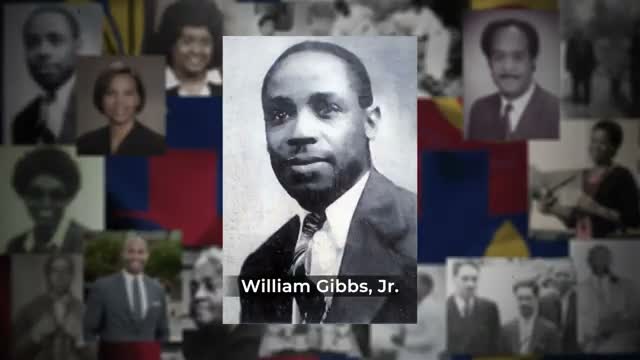
Isaiah "Ike" Leggett, the former Montgomery County executive, was remembered for a career that speakers said combined personal resilience with a focus on accountability and public health. Introducers placed Leggett’s life in the context of Montgomery County’s Black leadership, saying the county has long benefited from Black Americans who "made significant strides, trailblazing and laying the foundation for future generations."
Leggett spoke in first person about his upbringing and the breaks that aided his path to public service. "I was fortunate to do very well in the ROTC program, became a military officer," he said, describing growing up "in a 3 room house" in Louisiana as one of 13 children and crediting those early opportunities for later success. He said the motivation behind his public service was a desire to "help others because there are an awful lot of kids out there who are like Ike" who need opportunities.
The remarks summarized Leggett’s political milestones. He was identified as the first African American elected to the Montgomery County Council in 1986, served on the council through 2002, spent two years as chairman of the Maryland Democratic Party before running again for office, and was elected county executive in 2006; the introducer noted he was the first African American to hold the county executive office in Montgomery County.
Speakers highlighted policy initiatives they credited to Leggett. He said fiscal responsibility was an early concern, noting, "I was really concerned about the county's finances even when I was a council member," and cited participation in shaping spending and affordability rules. He also stated that "that was my bill to provide the inspector general in Montgomery County to get greater accountability for that," identifying the inspector general measure as part of his record. He additionally referenced Montgomery County’s early local smoking ban in bars and restaurants as among the public-health steps the county took while he served.
Remarks included recognition for awards and the importance Leggett placed on partnership. A speaker mentioned a legacy leadership award from the White House Fellows Foundation Association and suggested it may have been the first given to someone who worked largely at the local level. Leggett emphasized the team aspect of public service: "Even though my name may be on all of that, it really been a team effort," he said, thanking colleagues, staff and his executive cabinet.
Speakers closed by framing Leggett’s career as a lasting local legacy. One speaker said Leggett’s career went "from humble beginnings to a lifetime of service and commitment to his family, country, and community," and that his accomplishments "helped pave the way for those after him." The remarks ended with Leggett reiterating that the part of his service he liked most was "helping people who really needed help," and listening when there was a concern.
The remarks in the recording were a mixture of biographical reflection, policy summary and personal gratitude; no formal motions or votes were recorded in the transcript.
Leggett spoke in first person about his upbringing and the breaks that aided his path to public service. "I was fortunate to do very well in the ROTC program, became a military officer," he said, describing growing up "in a 3 room house" in Louisiana as one of 13 children and crediting those early opportunities for later success. He said the motivation behind his public service was a desire to "help others because there are an awful lot of kids out there who are like Ike" who need opportunities.
The remarks summarized Leggett’s political milestones. He was identified as the first African American elected to the Montgomery County Council in 1986, served on the council through 2002, spent two years as chairman of the Maryland Democratic Party before running again for office, and was elected county executive in 2006; the introducer noted he was the first African American to hold the county executive office in Montgomery County.
Speakers highlighted policy initiatives they credited to Leggett. He said fiscal responsibility was an early concern, noting, "I was really concerned about the county's finances even when I was a council member," and cited participation in shaping spending and affordability rules. He also stated that "that was my bill to provide the inspector general in Montgomery County to get greater accountability for that," identifying the inspector general measure as part of his record. He additionally referenced Montgomery County’s early local smoking ban in bars and restaurants as among the public-health steps the county took while he served.
Remarks included recognition for awards and the importance Leggett placed on partnership. A speaker mentioned a legacy leadership award from the White House Fellows Foundation Association and suggested it may have been the first given to someone who worked largely at the local level. Leggett emphasized the team aspect of public service: "Even though my name may be on all of that, it really been a team effort," he said, thanking colleagues, staff and his executive cabinet.
Speakers closed by framing Leggett’s career as a lasting local legacy. One speaker said Leggett’s career went "from humble beginnings to a lifetime of service and commitment to his family, country, and community," and that his accomplishments "helped pave the way for those after him." The remarks ended with Leggett reiterating that the part of his service he liked most was "helping people who really needed help," and listening when there was a concern.
The remarks in the recording were a mixture of biographical reflection, policy summary and personal gratitude; no formal motions or votes were recorded in the transcript.
View the Full Meeting & All Its Details
This article offers just a summary. Unlock complete video, transcripts, and insights as a Founder Member.
✓
Watch full, unedited meeting videos
✓
Search every word spoken in unlimited transcripts
✓
AI summaries & real-time alerts (all government levels)
✓
Permanent access to expanding government content
30-day money-back guarantee
