Utah committee advances bill to regulate nicotine-free vapes, ban cannabinoid vapes outside medical program
February 25, 2026 | 2026 Utah Legislature, Utah Legislature, Utah Legislative Branch, Utah
This article was created by AI summarizing key points discussed. AI makes mistakes, so for full details and context, please refer to the video of the full meeting. Please report any errors so we can fix them. Report an error »
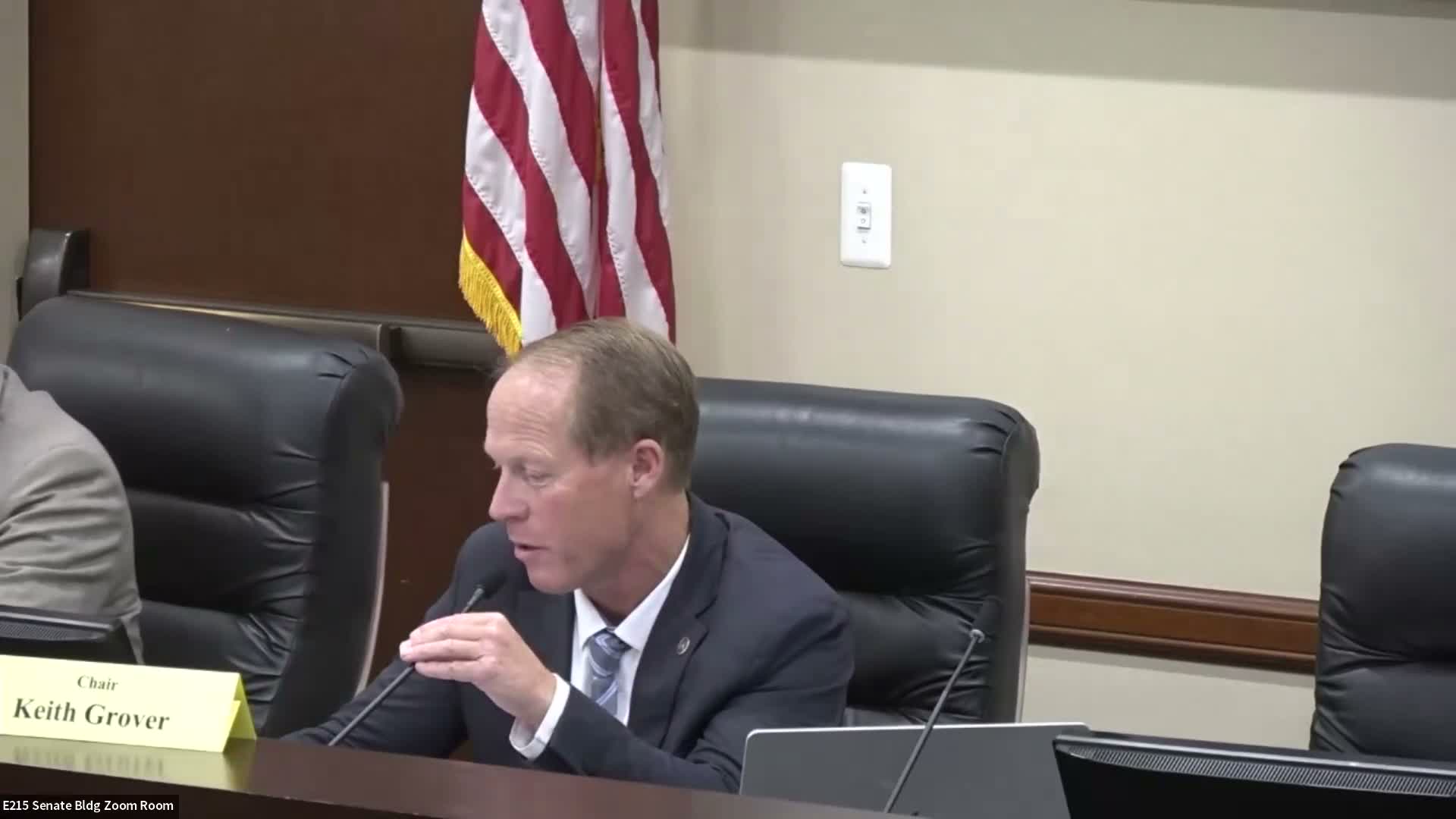
A Utah legislative committee on Tuesday voted to advance second-substitute HB 265, a bill that would expand the state's electronic-cigarette product registry to cover non-nicotine inhalation products and strengthen enforcement against sellers of unregistered or mislabeled vape products.
Representative Jason E. Thompson, the bill sponsor, told the committee the measure closes loopholes that industry has used to market flavored and cannabinoid vapes to young people. "HB 265 makes the sale of cannabinoid vapes illegal outside Utah's medical cannabis framework," the sponsor said, arguing the change targets illegal distribution while preserving lawful medical uses.
The bill would require non-nicotine inhalation products to be listed on Utah's existing product registry, subject retailers to escalating civil penalties and possible permit revocation for repeat violations, and require manufacturers to show evidence that products are authorized for interstate commerce. Thompson also cited federal and scientific findings about vaping's harms and emphasized that health claims for ingestible or inhaled vitamins or supplements are not supported by evidence.
Several public witnesses supported the bill. Art Brown, who works with a youth prevention committee, said CBD-flavored vapes are already appearing on shelves and urged the committee to provide regulatory structure. "These products really don't appear on our shelves," Brown said in support, urging lawmakers to close the regulatory gap. Walter Plumb of Drug Safe Utah and Gail Rezik of Utah Eagle Forum also testified in favor. Mercedes Branson, a senior at Bear River High School, told the committee nicotine-free products still contain harmful chemicals such as vitamin E acetate and can mislead youth into thinking the products are safe.
Senator Luz Escamilla moved to favorably recommend the second substitute to the full Senate. The committee voted in favor on a voice vote; members also discussed whether the sponsor should seek placement on the consent calendar, noting some senators might pull the bill for floor debate.
Next steps: HB 265 will be reported to the Senate with a favorable recommendation; sponsors asked the committee to consider consent placement but acknowledged the bill could return for further debate.
Representative Jason E. Thompson, the bill sponsor, told the committee the measure closes loopholes that industry has used to market flavored and cannabinoid vapes to young people. "HB 265 makes the sale of cannabinoid vapes illegal outside Utah's medical cannabis framework," the sponsor said, arguing the change targets illegal distribution while preserving lawful medical uses.
The bill would require non-nicotine inhalation products to be listed on Utah's existing product registry, subject retailers to escalating civil penalties and possible permit revocation for repeat violations, and require manufacturers to show evidence that products are authorized for interstate commerce. Thompson also cited federal and scientific findings about vaping's harms and emphasized that health claims for ingestible or inhaled vitamins or supplements are not supported by evidence.
Several public witnesses supported the bill. Art Brown, who works with a youth prevention committee, said CBD-flavored vapes are already appearing on shelves and urged the committee to provide regulatory structure. "These products really don't appear on our shelves," Brown said in support, urging lawmakers to close the regulatory gap. Walter Plumb of Drug Safe Utah and Gail Rezik of Utah Eagle Forum also testified in favor. Mercedes Branson, a senior at Bear River High School, told the committee nicotine-free products still contain harmful chemicals such as vitamin E acetate and can mislead youth into thinking the products are safe.
Senator Luz Escamilla moved to favorably recommend the second substitute to the full Senate. The committee voted in favor on a voice vote; members also discussed whether the sponsor should seek placement on the consent calendar, noting some senators might pull the bill for floor debate.
Next steps: HB 265 will be reported to the Senate with a favorable recommendation; sponsors asked the committee to consider consent placement but acknowledged the bill could return for further debate.
Don't Miss a Word: See the Full Meeting!
Go beyond summaries. Unlock every video, transcript, and key insight with a Founder Membership.
✓
Get instant access to full meeting videos
✓
Search and clip any phrase from complete transcripts
✓
Receive AI-powered summaries & custom alerts
✓
Enjoy lifetime, unrestricted access to government data
30-day money-back guarantee
