Senate debates and tables amendment to bar data centers from abandoned‑building tax credit
February 25, 2026 | 2026 Legislative Meetings, South Carolina
This article was created by AI summarizing key points discussed. AI makes mistakes, so for full details and context, please refer to the video of the full meeting. Please report any errors so we can fix them. Report an error »
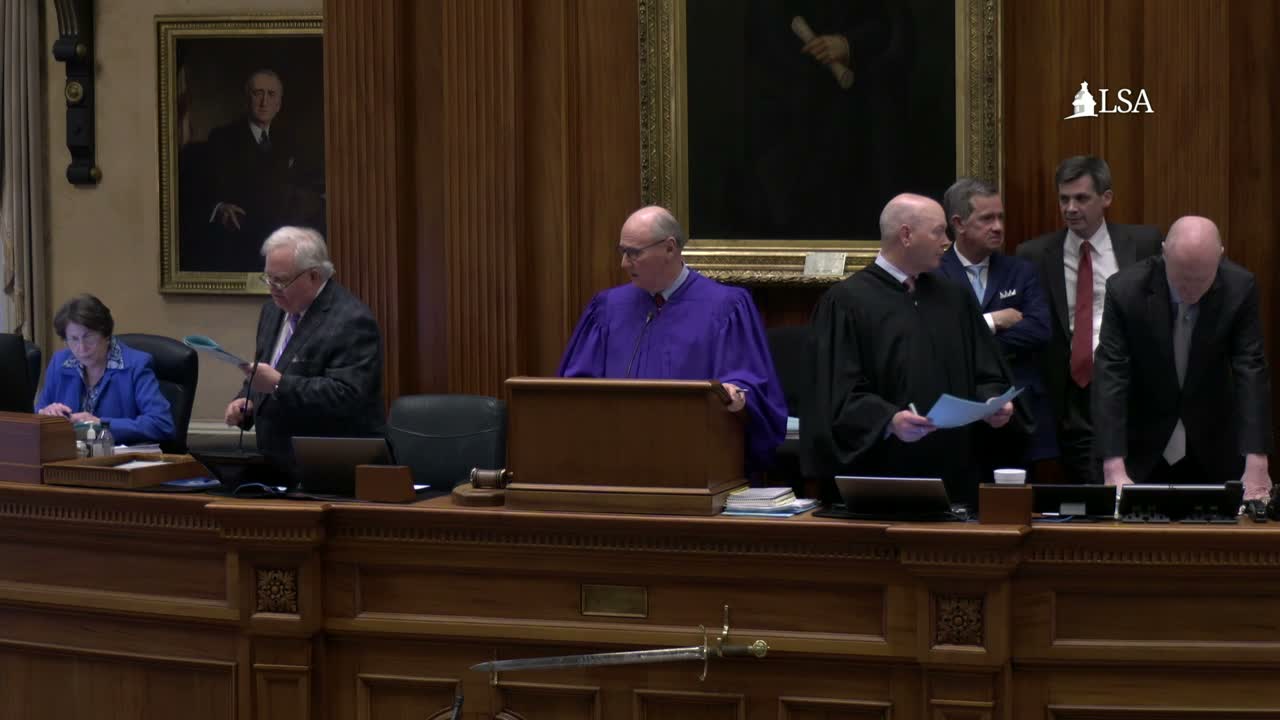
Senators debated a floor amendment to S 8 53, an abandoned‑building / rehabilitation tax‑credit bill, that would have excluded data centers from eligibility. Sponsor Senator Bridal said the amendment was an "insurance policy" to make sure the bill did not provide subsidies to data centers and urged members to stake out a position now rather than wait for a separate data‑center bill. He said staff had lifted a definition of "data center" from bills already in subcommittee and argued the amendment would prevent unintended subsidies.
Opponents, including multiple senators who have been holding subcommittee hearings on data‑center policy, said the amendment improperly inserted substantive policy into a technical third‑reading bill. They raised procedural objections — that the legislature is already considering multiple, more comprehensive data‑center bills that have held subcommittee testimony, and that adding a broad definition at this stage could produce unintended consequences for other businesses and utilities. Senators on the floor warned that a 1‑megawatt threshold in the sponsor's draft could capture ordinary commercial or telecom operations; some urged raising the threshold (25–50 megawatts) or limiting any restriction to specific circumstances (for example, only in abandoned buildings).
Floor exchanges produced multiple compromise proposals: carry the amendment over for reworking, substitute a higher megawatt threshold, or craft a geographically focused carve‑out. The sponsor ultimately asked unanimous consent to withdraw the amendment and carry the bill to the end of the second‑reading uncontested calendar to permit drafting changes; that request was granted. When the amendment was reintroduced later in the day with a revised 50‑megawatt threshold, senators again debated its merits and process. After motions and a roll‑call, the attempt to table the amendment succeeded and the amendment was tabled by a vote of 31 to 12. The bill S 8 53 proceeded to a third reading and was given third reading by the Senate by a vote of 33 to 10.
Why it matters: The exchange shows lawmakers wrestling with how to regulate large infrastructure projects that have concentrated benefits (corporate owners) and distributed externalities (water use, electricity demand, noise, local infrastructure strain). Multiple senators emphasized the need for a comprehensive approach through subcommittees rather than ad‑hoc changes on third reading; others emphasized a political need to signal opposition to subsidies for data centers in their districts.
Votes and next steps: The amendment to exclude data centers was tabled, 31 to 12. S 8 53 later received a third reading in the Senate, 33 to 10; any final, enforceable definition or restriction would depend on future amendments, House language, or conference negotiations.
Quotes:
"We're not gonna subsidize data centers," Sponsor Senator Bridal said, arguing the amendment would prevent taxpayer subsidies.
"Tacking on something substantive on third reading without subcommittee testimony is bad legislating," a senator opposed to the amendment said during floor exchanges.
What happens next: The sponsor said he would draft a revised amendment or carry the language forward in another vehicle to be considered with subcommittee input; the underlying tax‑credit bill advances with the potential that the House or a conference committee will further edit eligibility language.
Opponents, including multiple senators who have been holding subcommittee hearings on data‑center policy, said the amendment improperly inserted substantive policy into a technical third‑reading bill. They raised procedural objections — that the legislature is already considering multiple, more comprehensive data‑center bills that have held subcommittee testimony, and that adding a broad definition at this stage could produce unintended consequences for other businesses and utilities. Senators on the floor warned that a 1‑megawatt threshold in the sponsor's draft could capture ordinary commercial or telecom operations; some urged raising the threshold (25–50 megawatts) or limiting any restriction to specific circumstances (for example, only in abandoned buildings).
Floor exchanges produced multiple compromise proposals: carry the amendment over for reworking, substitute a higher megawatt threshold, or craft a geographically focused carve‑out. The sponsor ultimately asked unanimous consent to withdraw the amendment and carry the bill to the end of the second‑reading uncontested calendar to permit drafting changes; that request was granted. When the amendment was reintroduced later in the day with a revised 50‑megawatt threshold, senators again debated its merits and process. After motions and a roll‑call, the attempt to table the amendment succeeded and the amendment was tabled by a vote of 31 to 12. The bill S 8 53 proceeded to a third reading and was given third reading by the Senate by a vote of 33 to 10.
Why it matters: The exchange shows lawmakers wrestling with how to regulate large infrastructure projects that have concentrated benefits (corporate owners) and distributed externalities (water use, electricity demand, noise, local infrastructure strain). Multiple senators emphasized the need for a comprehensive approach through subcommittees rather than ad‑hoc changes on third reading; others emphasized a political need to signal opposition to subsidies for data centers in their districts.
Votes and next steps: The amendment to exclude data centers was tabled, 31 to 12. S 8 53 later received a third reading in the Senate, 33 to 10; any final, enforceable definition or restriction would depend on future amendments, House language, or conference negotiations.
Quotes:
"We're not gonna subsidize data centers," Sponsor Senator Bridal said, arguing the amendment would prevent taxpayer subsidies.
"Tacking on something substantive on third reading without subcommittee testimony is bad legislating," a senator opposed to the amendment said during floor exchanges.
What happens next: The sponsor said he would draft a revised amendment or carry the language forward in another vehicle to be considered with subcommittee input; the underlying tax‑credit bill advances with the potential that the House or a conference committee will further edit eligibility language.
View the Full Meeting & All Its Details
This article offers just a summary. Unlock complete video, transcripts, and insights as a Founder Member.
✓
Watch full, unedited meeting videos
✓
Search every word spoken in unlimited transcripts
✓
AI summaries & real-time alerts (all government levels)
✓
Permanent access to expanding government content
30-day money-back guarantee
