UN briefing says Central African Republic elections largely peaceful; MINUSCA support, DDR and mission liquidity flagged as priorities
February 26, 2026 | United Nations, International
This article was created by AI summarizing key points discussed. AI makes mistakes, so for full details and context, please refer to the video of the full meeting. Please report any errors so we can fix them. Report an error »
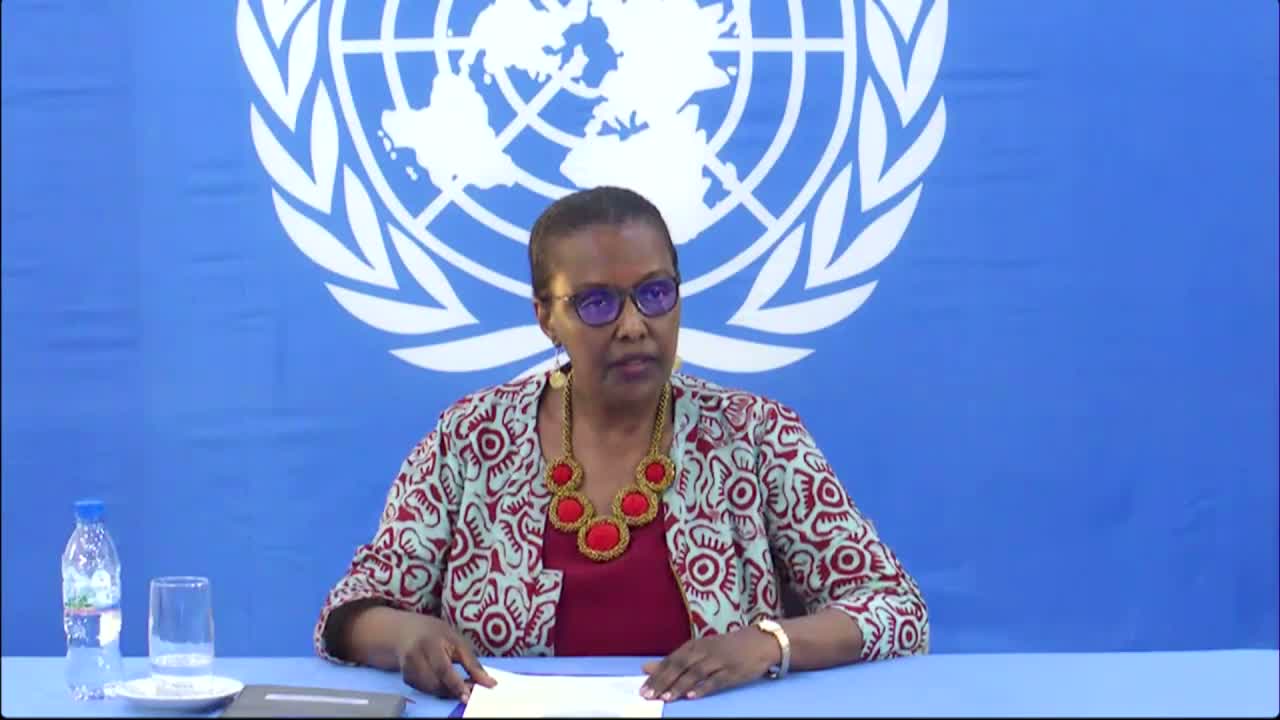
A representative who briefed the Security Council, In Rugwabitsa, said the combined presidential, legislative, regional and municipal elections held on Dec. 28, 2025, were conducted "in a peaceful and secure manner across most of the country despite isolated security incidents." He presented the Secretary‑General's latest report on the situation in the Central African Republic and outlined the UN mission's priorities for the post‑election period.
The briefing credited the United Nations Multidimensional Integrated Stabilization Mission in the Central African Republic (MINUSCA) and sustained government investment with expanding state authority and supporting the implementation of the 2019 political agreement. In Rugwabitsa said MINUSCA provided "technical, logistical, operational and security support" and helped foster inclusivity: women accounted for more than 47% of voters and 45% of municipal candidates in the reported figures.
Operational details included transport of electoral materials across the country, deployment of uniformed and national personnel, and support packages for national security forces. The briefing reported that, since July 2025, disarmament and demobilization operations have led to the disarmament and demobilization of more than 200 combatants and that two additional armed groups had been dissolved; a further agreement facilitating the return of one movement to the peace process was signed with facilitation from the government of Chad.
In Rugwabitsa announced that second rounds for legislative, regional and municipal by‑elections were scheduled for 28 April 2026, with final results to be released on June 23, July 11 and July 26 respectively, closing the 2025–2026 election cycle.
Despite the overall positive assessment, the briefing warned of persistent security challenges. In the Southeast, ongoing attacks by an "AKG" militia in the Ombumu prefecture prevented 21 voting centers (of 6,700 established nationwide) from opening and exacerbated intercommunal tensions and humanitarian access constraints. In the Northeast, conflict in Sudan drove thousands of refugees into Bakaga prefecture, increasing pressure on local services.
The representative also described operational consequences of mission liquidity constraints. MINUSCA implemented a contingency plan that included strict expenditure controls, efficiency measures and a readjustment of the mission footprint after reductions in uniformed personnel; these steps were taken to preserve coverage in priority areas but resulted in reduced geographic presence in some locations. The briefing said reduced resources were redirected to protection of civilians, support for the electoral process and DDR operations.
Looking ahead, In Rugwabitsa said the post‑election period would be decisive for consolidating political and security gains and called for concerted planning with the incoming government to enable a gradual, planned transfer of mandated tasks to national institutions, noting that timely financial resources will be necessary to implement the mission's mandate. He closed by thanking MINUSCA civilian and uniformed personnel, the UN country team and troop‑ and police‑contributing countries for their service and sacrifices.
The Security Council briefing did not record any formal votes or motions in this transcript extract. The second‑round election dates and the mission's contingency measures are the most recent procedural developments reported by the representative.
The briefing credited the United Nations Multidimensional Integrated Stabilization Mission in the Central African Republic (MINUSCA) and sustained government investment with expanding state authority and supporting the implementation of the 2019 political agreement. In Rugwabitsa said MINUSCA provided "technical, logistical, operational and security support" and helped foster inclusivity: women accounted for more than 47% of voters and 45% of municipal candidates in the reported figures.
Operational details included transport of electoral materials across the country, deployment of uniformed and national personnel, and support packages for national security forces. The briefing reported that, since July 2025, disarmament and demobilization operations have led to the disarmament and demobilization of more than 200 combatants and that two additional armed groups had been dissolved; a further agreement facilitating the return of one movement to the peace process was signed with facilitation from the government of Chad.
In Rugwabitsa announced that second rounds for legislative, regional and municipal by‑elections were scheduled for 28 April 2026, with final results to be released on June 23, July 11 and July 26 respectively, closing the 2025–2026 election cycle.
Despite the overall positive assessment, the briefing warned of persistent security challenges. In the Southeast, ongoing attacks by an "AKG" militia in the Ombumu prefecture prevented 21 voting centers (of 6,700 established nationwide) from opening and exacerbated intercommunal tensions and humanitarian access constraints. In the Northeast, conflict in Sudan drove thousands of refugees into Bakaga prefecture, increasing pressure on local services.
The representative also described operational consequences of mission liquidity constraints. MINUSCA implemented a contingency plan that included strict expenditure controls, efficiency measures and a readjustment of the mission footprint after reductions in uniformed personnel; these steps were taken to preserve coverage in priority areas but resulted in reduced geographic presence in some locations. The briefing said reduced resources were redirected to protection of civilians, support for the electoral process and DDR operations.
Looking ahead, In Rugwabitsa said the post‑election period would be decisive for consolidating political and security gains and called for concerted planning with the incoming government to enable a gradual, planned transfer of mandated tasks to national institutions, noting that timely financial resources will be necessary to implement the mission's mandate. He closed by thanking MINUSCA civilian and uniformed personnel, the UN country team and troop‑ and police‑contributing countries for their service and sacrifices.
The Security Council briefing did not record any formal votes or motions in this transcript extract. The second‑round election dates and the mission's contingency measures are the most recent procedural developments reported by the representative.
View the Full Meeting & All Its Details
This article offers just a summary. Unlock complete video, transcripts, and insights as a Founder Member.
✓
Watch full, unedited meeting videos
✓
Search every word spoken in unlimited transcripts
✓
AI summaries & real-time alerts (all government levels)
✓
Permanent access to expanding government content
30-day money-back guarantee
