Senate hearing on H.4902: universities urge FOIA carve‑out for revenue‑sharing while senators press on transparency
February 25, 2026 | 2026 Legislative Meetings, South Carolina
This article was created by AI summarizing key points discussed. AI makes mistakes, so for full details and context, please refer to the video of the full meeting. Please report any errors so we can fix them. Report an error »
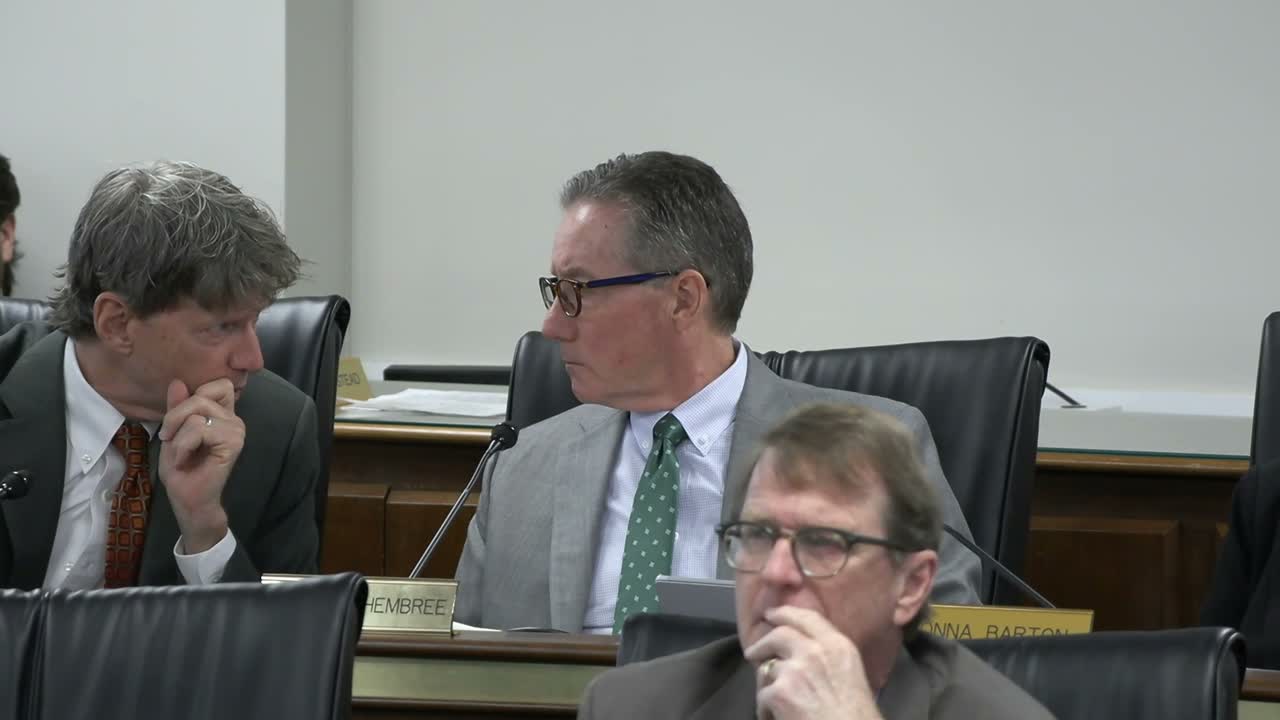
Columbia, S.C. — University athletics directors from the University of South Carolina, Clemson University and Coastal Carolina University told the Senate Education Committee on Feb. 26 that H.4902 should be amended to protect individual student‑athlete revenue‑sharing agreements from public disclosure while preserving aggregate reporting.
Chairman Hembry convened the special meeting to hear from Jeremiah Donati, athletics director at the University of South Carolina; Graham Neff, athletics director at Clemson University; and Chance Miller, vice president for intercollegiate athletics at Coastal Carolina University. The panelists described two distinct forms of student‑athlete compensation — third‑party NIL deals and institutional revenue sharing — and asked the committee to apply the same FOIA protections now afforded to NIL contracts to revenue‑sharing agreements.
“The statute as written already reflects clear legislative intent to protect student athlete compensation information,” Jeremiah Donati said, arguing the bill would “simply clarify” that intent for institutional revenue sharing. Donati and his colleagues said revenue sharing began under the House v. NCAA settlement and noted the guardrails created by that settlement, including a $20,500,000 institutional cap that took effect July 1, 2025 and a framework for independent review of third‑party deals.
Graham Neff said Clemson’s audited NCAA AUP report shows institutional support of about $20.2 million in fiscal 2025, including a non‑cash tuition‑waiver component and operating costs tied to added women’s programs required by Title IX. “No appropriated state funds have been used to make NIL payments or revenue‑sharing payments to Clemson student athletes,” Neff said, adding that revenue used for payouts came from self‑generated sources such as media distributions, ticket sales and donor contributions.
Chance Miller described the institutional benefits of athletics at Coastal Carolina and said institutional support helped drive enrollment and retention. Miller cited a 35% spike in admissions‑page visits during a recent three‑week postseason run and an earned‑media valuation the university calculated to illustrate the broader institutional effects of athletics.
Supporters of H.4902 told senators that public disclosure of individualized revenue‑sharing terms would expose student athletes to privacy invasions, harassment and competitive poaching by other programs. They urged the committee to preserve aggregate annual reporting while shielding specific athlete‑level contract terms, referencing FERPA protections in their testimony.
Several senators pressed the panelists on accounting details and the practical effect of segregating funds. Senator Cash told witnesses that “money is fungible,” and asked whether tuition‑derived or other institutional funds used to support athletics could be backfilled with state appropriations. Panelists replied that institutions establish separate expenditure accounts for revenue‑sharing payments, that revenues for payouts come primarily from conference/media distributions or donor and sponsorship pools, and that scholarship increases under the settlement benefit all sports, not only revenue‑generating teams.
Lawmakers also asked for historical context and more precise statutory definitions. Senator Massey (Edgefield) recommended clarifying what counts as a “revenue‑sharing program” in the bill so future legal challenges and FOIA disputes are less likely. Other senators said they were sympathetic to student privacy concerns but said public accountability and the public’s right to know about the use of institutional resources were also compelling.
No vote occurred during the hearing. Committee members noted H.4902 remains on the Senate calendar for third reading and that federal or national standards could eventually harmonize reporting across states. The committee adjourned after an extended Q&A; senators asked the athletic directors to provide additional documentation on accounting practices and the breakdown of institutional support.
Chairman Hembry convened the special meeting to hear from Jeremiah Donati, athletics director at the University of South Carolina; Graham Neff, athletics director at Clemson University; and Chance Miller, vice president for intercollegiate athletics at Coastal Carolina University. The panelists described two distinct forms of student‑athlete compensation — third‑party NIL deals and institutional revenue sharing — and asked the committee to apply the same FOIA protections now afforded to NIL contracts to revenue‑sharing agreements.
“The statute as written already reflects clear legislative intent to protect student athlete compensation information,” Jeremiah Donati said, arguing the bill would “simply clarify” that intent for institutional revenue sharing. Donati and his colleagues said revenue sharing began under the House v. NCAA settlement and noted the guardrails created by that settlement, including a $20,500,000 institutional cap that took effect July 1, 2025 and a framework for independent review of third‑party deals.
Graham Neff said Clemson’s audited NCAA AUP report shows institutional support of about $20.2 million in fiscal 2025, including a non‑cash tuition‑waiver component and operating costs tied to added women’s programs required by Title IX. “No appropriated state funds have been used to make NIL payments or revenue‑sharing payments to Clemson student athletes,” Neff said, adding that revenue used for payouts came from self‑generated sources such as media distributions, ticket sales and donor contributions.
Chance Miller described the institutional benefits of athletics at Coastal Carolina and said institutional support helped drive enrollment and retention. Miller cited a 35% spike in admissions‑page visits during a recent three‑week postseason run and an earned‑media valuation the university calculated to illustrate the broader institutional effects of athletics.
Supporters of H.4902 told senators that public disclosure of individualized revenue‑sharing terms would expose student athletes to privacy invasions, harassment and competitive poaching by other programs. They urged the committee to preserve aggregate annual reporting while shielding specific athlete‑level contract terms, referencing FERPA protections in their testimony.
Several senators pressed the panelists on accounting details and the practical effect of segregating funds. Senator Cash told witnesses that “money is fungible,” and asked whether tuition‑derived or other institutional funds used to support athletics could be backfilled with state appropriations. Panelists replied that institutions establish separate expenditure accounts for revenue‑sharing payments, that revenues for payouts come primarily from conference/media distributions or donor and sponsorship pools, and that scholarship increases under the settlement benefit all sports, not only revenue‑generating teams.
Lawmakers also asked for historical context and more precise statutory definitions. Senator Massey (Edgefield) recommended clarifying what counts as a “revenue‑sharing program” in the bill so future legal challenges and FOIA disputes are less likely. Other senators said they were sympathetic to student privacy concerns but said public accountability and the public’s right to know about the use of institutional resources were also compelling.
No vote occurred during the hearing. Committee members noted H.4902 remains on the Senate calendar for third reading and that federal or national standards could eventually harmonize reporting across states. The committee adjourned after an extended Q&A; senators asked the athletic directors to provide additional documentation on accounting practices and the breakdown of institutional support.
View the Full Meeting & All Its Details
This article offers just a summary. Unlock complete video, transcripts, and insights as a Founder Member.
✓
Watch full, unedited meeting videos
✓
Search every word spoken in unlimited transcripts
✓
AI summaries & real-time alerts (all government levels)
✓
Permanent access to expanding government content
30-day money-back guarantee
