Inspector General details unannounced visits, stop payments and referrals in CCAP investigations
February 25, 2026 | 2026 Legislature MN, Minnesota
This article was created by AI summarizing key points discussed. AI makes mistakes, so for full details and context, please refer to the video of the full meeting. Please report any errors so we can fix them. Report an error »
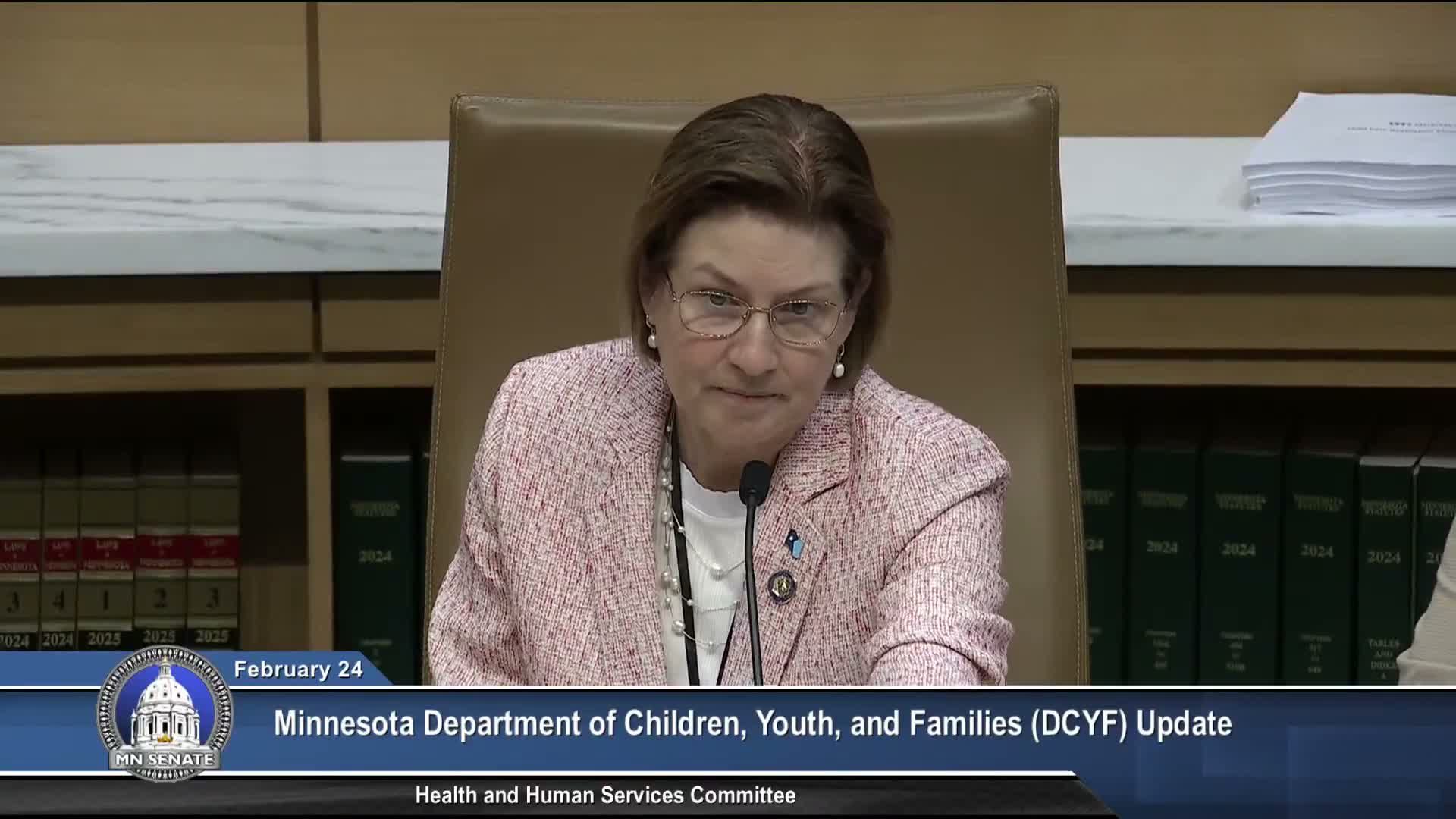
Inspector General Randy Keyes told the committee the Office of Inspector General at DCYF has reorganized teams and added data tools to strengthen program integrity for the Child Care Assistance Program (CCAP).
Keyes described four program integrity elements: an "early and often" team that conducts announced and follow‑up visits for new programs; a data and analytics team that centralizes datasets for red‑flag reporting; licensing staff that work with program integrity; and provider investigation staff that collect records, perform analysis and, when warranted, conduct surveillance.
Keyes said the office prioritized compliance checks in January by visiting the 100 providers that received the largest CCAP payments; those visits were unannounced (except for the initial 'early and often' visit), and the OIG brought records for at least two months for review. "In January, we went to the 100 providers that received the largest amount of CCAP funding. We gathered at least 2 months' worth of records, and we're in the process of working through those concerns," Keyes said. He added that roughly 10% of that first group had issues; across 2025 the department stopped payments or took other actions against 41 programs, "just over 1% of the programs participating in CCAP." Keyes said that if providers cannot produce records on the spot, the office has used statutory authority to stop payments during investigations.
Keyes outlined investigative steps and remedies: data reviews, compliance visits, referrals to the Bureau of Criminal Apprehension for criminal investigations, administrative discontinuation of payments, orders of corrective action, overpayment recovery, and administrative disqualification that can bar providers from participation.
Committee members pressed on notice practices, the number of programs with problems, whether visits were announced, and how notices explain the reasons for stop payments. Keyes said staff now provide clearer notice explaining why an action was taken and that providers have a right to seek reconsideration. Keyes also said the OIG is working with the attorney general on civil fraud and false‑claims tools.
Why this matters: Keyes said program‑integrity work focuses state resources on preventing fraud that harms program recipients and undermines public trust; the combination of new data tools and targeted unannounced visits is designed to find high‑risk providers quickly but has stretched a small staff.
Next steps: Keyes said OIG will continue compliance visits into March and beyond and highlighted resource constraints; he suggested additional resources will be required to sustain expanded investigative activity without slowing other responsibilities.
Keyes described four program integrity elements: an "early and often" team that conducts announced and follow‑up visits for new programs; a data and analytics team that centralizes datasets for red‑flag reporting; licensing staff that work with program integrity; and provider investigation staff that collect records, perform analysis and, when warranted, conduct surveillance.
Keyes said the office prioritized compliance checks in January by visiting the 100 providers that received the largest CCAP payments; those visits were unannounced (except for the initial 'early and often' visit), and the OIG brought records for at least two months for review. "In January, we went to the 100 providers that received the largest amount of CCAP funding. We gathered at least 2 months' worth of records, and we're in the process of working through those concerns," Keyes said. He added that roughly 10% of that first group had issues; across 2025 the department stopped payments or took other actions against 41 programs, "just over 1% of the programs participating in CCAP." Keyes said that if providers cannot produce records on the spot, the office has used statutory authority to stop payments during investigations.
Keyes outlined investigative steps and remedies: data reviews, compliance visits, referrals to the Bureau of Criminal Apprehension for criminal investigations, administrative discontinuation of payments, orders of corrective action, overpayment recovery, and administrative disqualification that can bar providers from participation.
Committee members pressed on notice practices, the number of programs with problems, whether visits were announced, and how notices explain the reasons for stop payments. Keyes said staff now provide clearer notice explaining why an action was taken and that providers have a right to seek reconsideration. Keyes also said the OIG is working with the attorney general on civil fraud and false‑claims tools.
Why this matters: Keyes said program‑integrity work focuses state resources on preventing fraud that harms program recipients and undermines public trust; the combination of new data tools and targeted unannounced visits is designed to find high‑risk providers quickly but has stretched a small staff.
Next steps: Keyes said OIG will continue compliance visits into March and beyond and highlighted resource constraints; he suggested additional resources will be required to sustain expanded investigative activity without slowing other responsibilities.
Don't Miss a Word: See the Full Meeting!
Go beyond summaries. Unlock every video, transcript, and key insight with a Founder Membership.
✓
Get instant access to full meeting videos
✓
Search and clip any phrase from complete transcripts
✓
Receive AI-powered summaries & custom alerts
✓
Enjoy lifetime, unrestricted access to government data
30-day money-back guarantee
