Committee backs substitute to add penalties and enforcement to statute barring use of public funds for ballot advocacy
February 25, 2026 | 2026 Legislature KY, Kentucky
This article was created by AI summarizing key points discussed. AI makes mistakes, so for full details and context, please refer to the video of the full meeting. Please report any errors so we can fix them. Report an error »
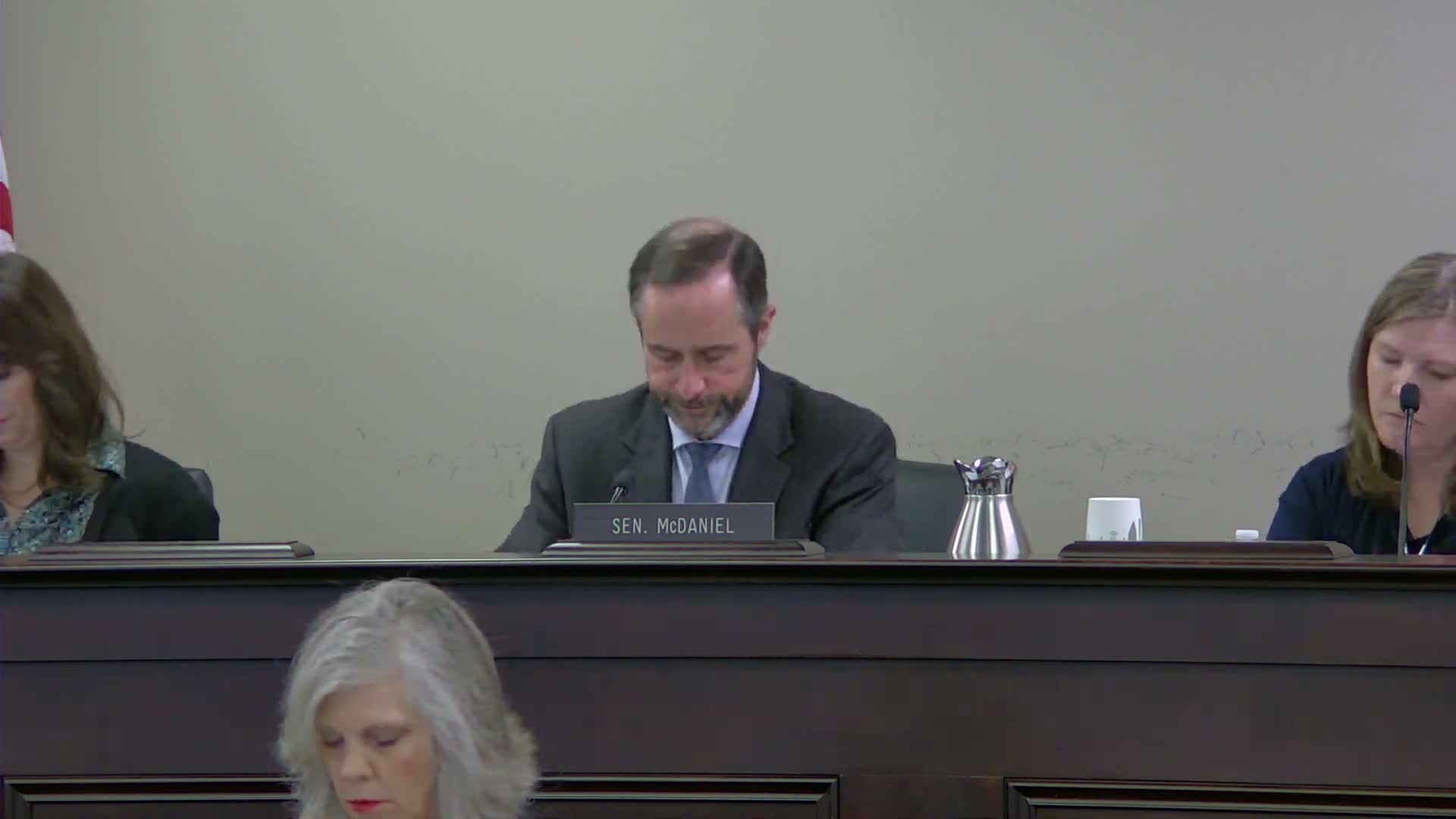
Sen. Steve Rawlings explained that KRS 65.013 (prohibiting use of tax dollars to advocate for or against ballot questions) currently lacks enforcement and that the substitute would add enforceable penalties to deter violations. He cited examples from the 2024 election where school officials allegedly used official meetings and public resources to oppose a ballot question.
Committee members probed whether adding criminal penalties could chill employees’ First Amendment speech and how enforcement would work in practice. Sen. Rawlings said public employees may speak on their own time and that prosecution would require a high burden of proof; committee language removed volunteer references and narrowed felony exposure while carving out an exception to allow KET-hosted issues debates with equal time for both sides.
After discussion, the committee adopted the substitute and reported it favorably by recorded vote. Several members urged careful drafting to preserve constitutional protections while providing meaningful enforcement.
Committee members probed whether adding criminal penalties could chill employees’ First Amendment speech and how enforcement would work in practice. Sen. Rawlings said public employees may speak on their own time and that prosecution would require a high burden of proof; committee language removed volunteer references and narrowed felony exposure while carving out an exception to allow KET-hosted issues debates with equal time for both sides.
After discussion, the committee adopted the substitute and reported it favorably by recorded vote. Several members urged careful drafting to preserve constitutional protections while providing meaningful enforcement.
Don't Miss a Word: See the Full Meeting!
Go beyond summaries. Unlock every video, transcript, and key insight with a Founder Membership.
✓
Get instant access to full meeting videos
✓
Search and clip any phrase from complete transcripts
✓
Receive AI-powered summaries & custom alerts
✓
Enjoy lifetime, unrestricted access to government data
30-day money-back guarantee
