Wappingers spotlights project-based learning; NYSSBA names district a 'Champion of Change'
February 24, 2026 | Wappingers Central School District, School Districts, New York
This article was created by AI summarizing key points discussed. AI makes mistakes, so for full details and context, please refer to the video of the full meeting. Please report any errors so we can fix them. Report an error »
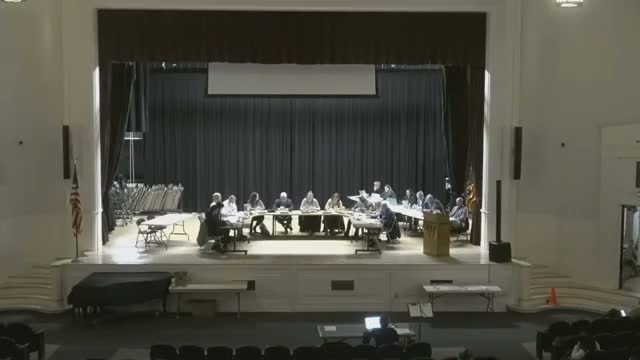
The Wappingers Central School District highlighted project-based learning at its Feb. 24 board meeting, showcasing K–12 classroom projects, technology integration and community partnerships that district staff said are intended to give students real-world learning experiences.
Superintendent Dr. Bonk opened the spotlight and thanked facilities and operations staff for storm response before framing the district’s long-running project-based learning (PBL) work as a tool to develop critical-thinking and communication skills. He introduced technology integration specialists and classroom leads who described the work as rooted in Universal Design for Learning and SAMR models.
Technology integration specialists Dan Roberto and Andrew Nicola showed a short video of PBL work from kindergarten through high school and emphasized equitable access. Presenters cited concrete projects: third graders prototyping interactive wall art with a Ketchum High School manufacturing class for an infusion room at Mid Hudson Regional Hospital (named in the presentation as "Maria Ferrari's children health care services"), students partnering with local scientists through iNaturalist to produce research-grade observations, and a classroom unit in which students tested Hudson River water and identified elevated parts-per-million lead results, which led students to discuss filtration options and related outreach with two state senators and the EPA.
Mr. Salmon and Mrs. Koehler described student voice and ownership in projects and shared that the district maintains a Steam PBL website to showcase work and support community partnerships. Dr. Bonk noted that the district’s graduation rate for 2024–25 was 93 percent, the second-highest in Dutchess County, and said PBL is part of a larger strategy across grades.
Bishop John Williams, area representative for the New York State School Boards Association, presented two awards recognizing Wappingers’ Project-Based Learning program and the PBL website, calling the programs "the epitome of inclusivity" and describing the district as a "champion of change." He urged continued partnership across districts and praised staff and board members for their leadership.
The board had time for brief communications and student reports later in the meeting, and then moved on to routine business including the consent agenda and policy adoptions.
Superintendent Dr. Bonk opened the spotlight and thanked facilities and operations staff for storm response before framing the district’s long-running project-based learning (PBL) work as a tool to develop critical-thinking and communication skills. He introduced technology integration specialists and classroom leads who described the work as rooted in Universal Design for Learning and SAMR models.
Technology integration specialists Dan Roberto and Andrew Nicola showed a short video of PBL work from kindergarten through high school and emphasized equitable access. Presenters cited concrete projects: third graders prototyping interactive wall art with a Ketchum High School manufacturing class for an infusion room at Mid Hudson Regional Hospital (named in the presentation as "Maria Ferrari's children health care services"), students partnering with local scientists through iNaturalist to produce research-grade observations, and a classroom unit in which students tested Hudson River water and identified elevated parts-per-million lead results, which led students to discuss filtration options and related outreach with two state senators and the EPA.
Mr. Salmon and Mrs. Koehler described student voice and ownership in projects and shared that the district maintains a Steam PBL website to showcase work and support community partnerships. Dr. Bonk noted that the district’s graduation rate for 2024–25 was 93 percent, the second-highest in Dutchess County, and said PBL is part of a larger strategy across grades.
Bishop John Williams, area representative for the New York State School Boards Association, presented two awards recognizing Wappingers’ Project-Based Learning program and the PBL website, calling the programs "the epitome of inclusivity" and describing the district as a "champion of change." He urged continued partnership across districts and praised staff and board members for their leadership.
The board had time for brief communications and student reports later in the meeting, and then moved on to routine business including the consent agenda and policy adoptions.
Don't Miss a Word: See the Full Meeting!
Go beyond summaries. Unlock every video, transcript, and key insight with a Founder Membership.
✓
Get instant access to full meeting videos
✓
Search and clip any phrase from complete transcripts
✓
Receive AI-powered summaries & custom alerts
✓
Enjoy lifetime, unrestricted access to government data
30-day money-back guarantee
