House oversight hearing spotlights alleged mold, medical neglect and staff misconduct at Women’s Huron Valley
February 24, 2026 | 2025-2026 House Legislature MI, Michigan
This article was created by AI summarizing key points discussed. AI makes mistakes, so for full details and context, please refer to the video of the full meeting. Please report any errors so we can fix them. Report an error »
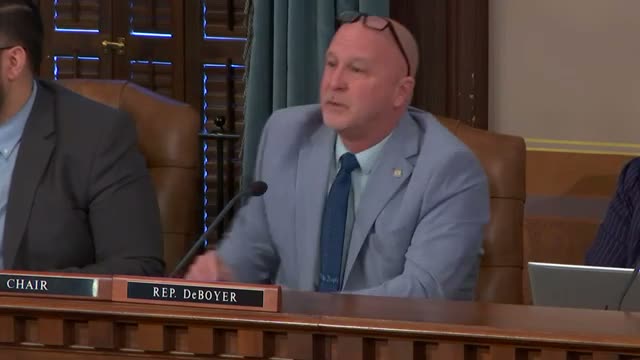
Representative Batzke told the House Committee on Oversight on Feb. 25 that systemic failures at Women’s Huron Valley Correctional Facility have produced “unacceptable and inhumane” conditions that have harmed incarcerated women and raised substantial legal and fiscal risks for the state.
"These are the unacceptable and inhumane treatment of people under the care of the state," Representative Batzke said, urging the committee to use oversight tools to address problems including failing ventilation, recurring mold, delayed or inconsistent medical treatment, and what she called retaliatory practices against both incarcerated people and staff who complain.
Why it matters: witnesses described individual harms that, if representative, could affect the facility’s roughly 1,800 residents and carry large fiscal and legal costs. Committee members repeatedly noted the Michigan Department of Corrections’ $2.2 billion annual budget and questioned why those resources had not prevented the alleged problems.
Key allegations and evidence
- Mold and infrastructure: Batzke summarized excerpts from an MDOC five-year physical assessment noting air handlers and bathroom ventilation in need of replacement and said she personally observed black spots in shower rooms she identified as mold. She said MDOC had chosen to "balance" air-handling units rather than replace units the department’s own assessment declared inadequate.
- Medical delays and a medication error: Batzke presented medical records for Crystal Clark showing sputum cultures (noted in records from 2023) positive for Serratia and Aspergillus species and described extended gaps in antifungal treatment. She also detailed the November 2025 death of Jennifer Wallace and a timeline in which the family was not notified promptly; Batzke said Wallace’s medication had been changed from warfarin to dabigatran, which the presentation said is contraindicated for Wallace’s prosthetic valve. Batzke said cultures from Wallace’s lungs were not collected at autopsy, leaving questions about the exact cause of sepsis.
- Contraband and overdose deaths: former employee and certified peer coach Andy Allen testified remotely that drugs were widely available inside the facility during COVID when there were no visitors and alleged employees and inspectors brought contraband in and sold it to incarcerated people. "The MDOC has blood on their hands," Allen said. Allen also said he was fired after reporting contraband.
- Staff culture and retaliation: former employee Larisha Thornton said staff who raised concerns became targets for repeated investigations and performance plans; she recounted staff joking about a resident’s suicide and alleged that inmates were sometimes tasked with cleaning mold without adequate protective equipment.
Ombudsman perspective and oversight gaps
Legislative Corrections Ombudsman Keith Barber told the committee his office has handled complaints about Huron Valley for decades, said some conditions have improved over the last decade but that sanitation, ventilation and staffing problems persist, and described limited capacity for thorough inspections. Barber said his office has 12 employees (nine investigators) and that he could comfortably double staff given the caseload; he also endorsed legislative fixes to expand his office’s authority to bring third-party experts on inspections, citing Senate Bill 156 as a vehicle.
Committee reaction and next steps
Committee members pressed for technical answers from MDOC leadership and the facility warden; several members requested a formal review by the Auditor General. One member moved that the chair request an Auditor General review of Huron Valley; the request was seconded and the chair agreed to make that request. Members also signaled interest in legislation to authorize independent inspections and air-quality testing and discussed whether funding and management practices align with stated outcomes for inmate healthcare.
What the hearing did not resolve
Witnesses made multiple serious accusations — including that employees brought drugs into the facility and that medical neglect contributed to deaths — but those claims were not adjudicated in the hearing. The ombudsman described some improvements and the need for better records; MDOC leadership and the warden did not testify during the session, so several factual points (for example, how often third-party air-quality tests have been done or internal timelines for specific medical visits) remain unresolved.
What happens next
The committee chair said he would request an Auditor General review of Huron Valley and indicated lawmakers will pursue policy remedies, including potential amendments to ombudsman authority and oversight tools. The committee did not vote on legislation at this hearing.
Quotes used in this article come directly from committee testimony and are attributed to speakers who appeared in the record: Representative Batzke; former employees Larisha Thornton and Andy Allen; and Legislative Corrections Ombudsman Keith Barber.
"These are the unacceptable and inhumane treatment of people under the care of the state," Representative Batzke said, urging the committee to use oversight tools to address problems including failing ventilation, recurring mold, delayed or inconsistent medical treatment, and what she called retaliatory practices against both incarcerated people and staff who complain.
Why it matters: witnesses described individual harms that, if representative, could affect the facility’s roughly 1,800 residents and carry large fiscal and legal costs. Committee members repeatedly noted the Michigan Department of Corrections’ $2.2 billion annual budget and questioned why those resources had not prevented the alleged problems.
Key allegations and evidence
- Mold and infrastructure: Batzke summarized excerpts from an MDOC five-year physical assessment noting air handlers and bathroom ventilation in need of replacement and said she personally observed black spots in shower rooms she identified as mold. She said MDOC had chosen to "balance" air-handling units rather than replace units the department’s own assessment declared inadequate.
- Medical delays and a medication error: Batzke presented medical records for Crystal Clark showing sputum cultures (noted in records from 2023) positive for Serratia and Aspergillus species and described extended gaps in antifungal treatment. She also detailed the November 2025 death of Jennifer Wallace and a timeline in which the family was not notified promptly; Batzke said Wallace’s medication had been changed from warfarin to dabigatran, which the presentation said is contraindicated for Wallace’s prosthetic valve. Batzke said cultures from Wallace’s lungs were not collected at autopsy, leaving questions about the exact cause of sepsis.
- Contraband and overdose deaths: former employee and certified peer coach Andy Allen testified remotely that drugs were widely available inside the facility during COVID when there were no visitors and alleged employees and inspectors brought contraband in and sold it to incarcerated people. "The MDOC has blood on their hands," Allen said. Allen also said he was fired after reporting contraband.
- Staff culture and retaliation: former employee Larisha Thornton said staff who raised concerns became targets for repeated investigations and performance plans; she recounted staff joking about a resident’s suicide and alleged that inmates were sometimes tasked with cleaning mold without adequate protective equipment.
Ombudsman perspective and oversight gaps
Legislative Corrections Ombudsman Keith Barber told the committee his office has handled complaints about Huron Valley for decades, said some conditions have improved over the last decade but that sanitation, ventilation and staffing problems persist, and described limited capacity for thorough inspections. Barber said his office has 12 employees (nine investigators) and that he could comfortably double staff given the caseload; he also endorsed legislative fixes to expand his office’s authority to bring third-party experts on inspections, citing Senate Bill 156 as a vehicle.
Committee reaction and next steps
Committee members pressed for technical answers from MDOC leadership and the facility warden; several members requested a formal review by the Auditor General. One member moved that the chair request an Auditor General review of Huron Valley; the request was seconded and the chair agreed to make that request. Members also signaled interest in legislation to authorize independent inspections and air-quality testing and discussed whether funding and management practices align with stated outcomes for inmate healthcare.
What the hearing did not resolve
Witnesses made multiple serious accusations — including that employees brought drugs into the facility and that medical neglect contributed to deaths — but those claims were not adjudicated in the hearing. The ombudsman described some improvements and the need for better records; MDOC leadership and the warden did not testify during the session, so several factual points (for example, how often third-party air-quality tests have been done or internal timelines for specific medical visits) remain unresolved.
What happens next
The committee chair said he would request an Auditor General review of Huron Valley and indicated lawmakers will pursue policy remedies, including potential amendments to ombudsman authority and oversight tools. The committee did not vote on legislation at this hearing.
Quotes used in this article come directly from committee testimony and are attributed to speakers who appeared in the record: Representative Batzke; former employees Larisha Thornton and Andy Allen; and Legislative Corrections Ombudsman Keith Barber.
View the Full Meeting & All Its Details
This article offers just a summary. Unlock complete video, transcripts, and insights as a Founder Member.
✓
Watch full, unedited meeting videos
✓
Search every word spoken in unlimited transcripts
✓
AI summaries & real-time alerts (all government levels)
✓
Permanent access to expanding government content
30-day money-back guarantee
