Senate committee advances bill letting cities levy narrow fees to manage plastics; debate centers on oversight
February 24, 2026 | 2026 Legislature OK, Oklahoma
This article was created by AI summarizing key points discussed. AI makes mistakes, so for full details and context, please refer to the video of the full meeting. Please report any errors so we can fix them. Report an error »
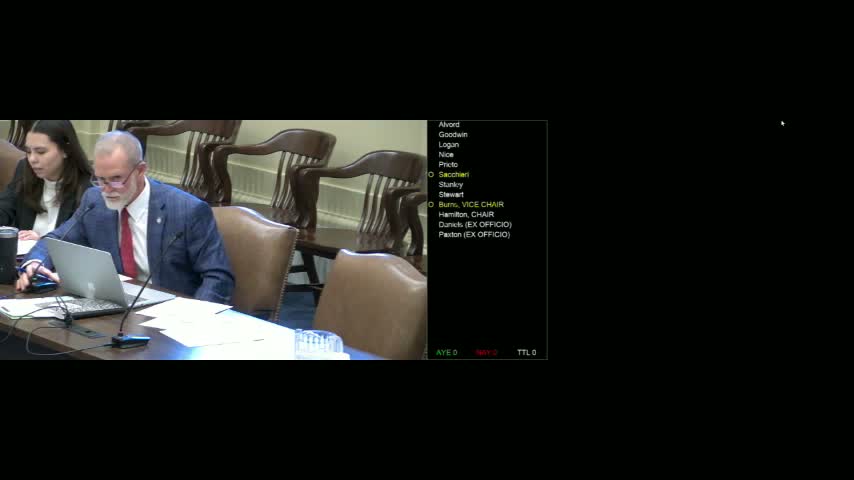
The Oklahoma Senate Local and County Government Committee on Tuesday advanced Senate Bill 1471, which would allow cities and towns to impose narrowly tailored fees to address certain solid-waste impacts — including retail packaging and persistent plastics — with revenue restricted to core waste functions such as collection, recycling, cleanup and public education.
Sponsor Senator Boren described the measure, as amended, as a tool for municipalities lacking funding and infrastructure to address microplastics and other persistent contaminants. "This bill allows municipalities to use narrowly tailored fees to address specific waste impacts," Boren said, adding the revenue "can only be used for core local functions like waste collection, recycling, cleanup, public education, and programs that reduce contaminants that enter our water, soil, and food system."
Why it matters: proponents said the law currently prevents some municipal fees on certain containers and that preventing cities from responding to new waste streams ties local hands. "Right now, the way the law is written, it prohibits the city. It ties the city's hands," Boren said, arguing the change would let local leaders address the increased load of materials that damage recycling infrastructure and create microplastics.
Opponents and skeptics urged caution about oversight. Senator Alford said he had not seen an auditing or fee-structure requirement in the bill and warned of the risk that municipalities could use fees as a revenue source. "I have not seen any sort of a fee structure or any kind of auditing or responsibility for what fees they may be randomly putting for these," Alford said. Boren acknowledged the regulatory safeguards are not in the bill and said the Legislature could act later to cap fees if problems arise, while expressing confidence in local public processes.
Key technical change: the committee adopted an amendment that narrows the statutory definition of “plastic” to exclude some biodegradable materials that are designed to break down. The amendment was offered to make clear the bill targets persistent, conventionally non-biodegradable plastics.
Local discretion and exemptions: the bill allows municipalities to exempt small or new businesses and to tier fees based on the amount or type of waste produced. Sponsor Boren said the intent is not to single out individual businesses or to create punitive penalties but to give city councils options to pilot programs that address specific waste burdens.
Statutory clarity: committee members asked for help locating related prohibitions in state law; Senator Logan referenced "Title 27A" when asking where microplastics appear in existing statutes. Boren said he would follow up to identify the precise statutory citations before the measure reaches the full Senate.
Vote and next steps: the committee voted 6–2 to advance SB 1471 as amended. Senators Albert and Logan were recorded as Nay; six other members recorded Aye. The bill will go next to the Senate floor for further consideration.
The committee's discussion emphasized the environmental goal — reducing persistent contaminants in soil and water — while leaving open questions about how the state or municipalities will monitor fee levels and revenue use.
Sponsor Senator Boren described the measure, as amended, as a tool for municipalities lacking funding and infrastructure to address microplastics and other persistent contaminants. "This bill allows municipalities to use narrowly tailored fees to address specific waste impacts," Boren said, adding the revenue "can only be used for core local functions like waste collection, recycling, cleanup, public education, and programs that reduce contaminants that enter our water, soil, and food system."
Why it matters: proponents said the law currently prevents some municipal fees on certain containers and that preventing cities from responding to new waste streams ties local hands. "Right now, the way the law is written, it prohibits the city. It ties the city's hands," Boren said, arguing the change would let local leaders address the increased load of materials that damage recycling infrastructure and create microplastics.
Opponents and skeptics urged caution about oversight. Senator Alford said he had not seen an auditing or fee-structure requirement in the bill and warned of the risk that municipalities could use fees as a revenue source. "I have not seen any sort of a fee structure or any kind of auditing or responsibility for what fees they may be randomly putting for these," Alford said. Boren acknowledged the regulatory safeguards are not in the bill and said the Legislature could act later to cap fees if problems arise, while expressing confidence in local public processes.
Key technical change: the committee adopted an amendment that narrows the statutory definition of “plastic” to exclude some biodegradable materials that are designed to break down. The amendment was offered to make clear the bill targets persistent, conventionally non-biodegradable plastics.
Local discretion and exemptions: the bill allows municipalities to exempt small or new businesses and to tier fees based on the amount or type of waste produced. Sponsor Boren said the intent is not to single out individual businesses or to create punitive penalties but to give city councils options to pilot programs that address specific waste burdens.
Statutory clarity: committee members asked for help locating related prohibitions in state law; Senator Logan referenced "Title 27A" when asking where microplastics appear in existing statutes. Boren said he would follow up to identify the precise statutory citations before the measure reaches the full Senate.
Vote and next steps: the committee voted 6–2 to advance SB 1471 as amended. Senators Albert and Logan were recorded as Nay; six other members recorded Aye. The bill will go next to the Senate floor for further consideration.
The committee's discussion emphasized the environmental goal — reducing persistent contaminants in soil and water — while leaving open questions about how the state or municipalities will monitor fee levels and revenue use.
View the Full Meeting & All Its Details
This article offers just a summary. Unlock complete video, transcripts, and insights as a Founder Member.
✓
Watch full, unedited meeting videos
✓
Search every word spoken in unlimited transcripts
✓
AI summaries & real-time alerts (all government levels)
✓
Permanent access to expanding government content
30-day money-back guarantee
