Committee narrows airport influence near Point of the Mountain amid clash between pilots and developers
February 24, 2026 | 2026 Utah Legislature, Utah Legislature, Utah Legislative Branch, Utah
This article was created by AI summarizing key points discussed. AI makes mistakes, so for full details and context, please refer to the video of the full meeting. Please report any errors so we can fix them. Report an error »
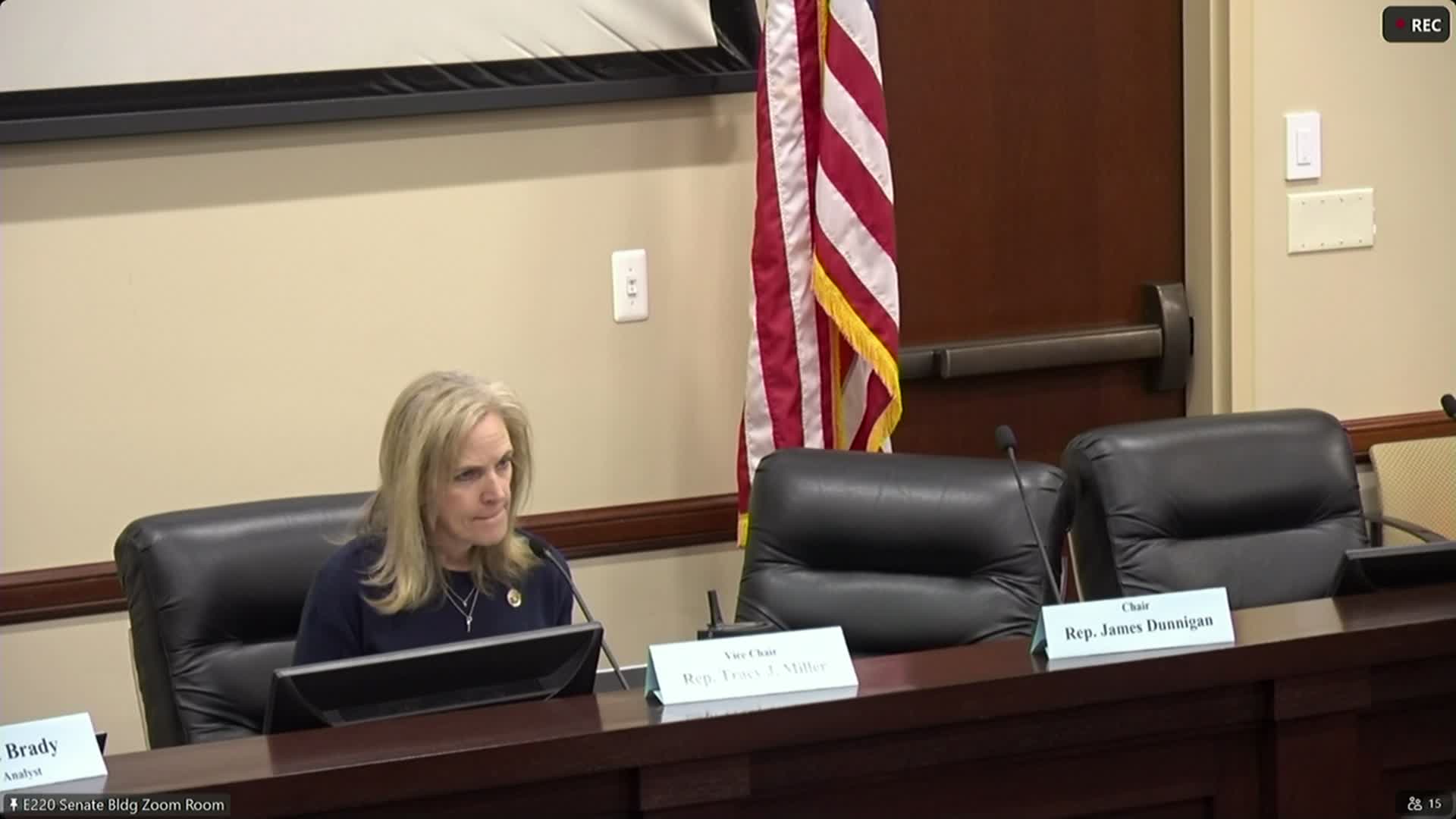
The House Political Subdivisions Committee voted to advance a measure that narrows the state’s airport‑influence overlay at the Point of the Mountain, where paragliding and hang‑gliding operations have long been concentrated.
Sponsor testimony framed the Point of the Mountain’s flight park as a world‑class flying site whose unique wind geography creates predictable lift and safe training conditions. The substitute adopted in committee reduces the statutory interference zone from 5,000 feet to 1,000 feet around the flight‑park takeoff and landing areas, and adds language intended to exempt areas outside the primary wind‑flow corridor.
Leif Elder of UDOT told the committee that federal regulations (Title 14) and state code define an airport as an area used for takeoff and landing and that unpowered aircraft such as paragliders fall within the broader definitions—though UDOT said it does not itself designate airports and that formal airport designation is a separate administrative process.
Witnesses were sharply divided. Pilots and representatives of the Utah Hang Gliding and Paragliding Association and Utah State Parks described wind studies and firsthand flying experience showing that tall or close buildings can generate hazardous turbulence and said a 1,000‑foot protected overlay is necessary to preserve flight operations. One pilot told the committee the Point’s geography is “unlike anywhere else in the entire country” and urged protection so training and recreational flights can continue.
Developers and landowners, including Clyde Companies, opposed the bill, saying the change would curtail property rights, retroactively affect entitlements and disrupt major investments; a developer said financing and entitlements for a multi‑family project exceed $100 million and were granted by local officials. Clyde Companies and their representatives asked the committee to reject the bill.
Committee members pressed for clarity about where the 1,000‑foot buffer begins and ends and who would adjudicate wind‑study disputes; the sponsor said the substitute narrows the application to areas used primarily for takeoff and landing and includes an exemption for peripheral areas that do not affect day‑to‑day flight operations.
The committee adopted the substitute and a one‑word amendment requested by the Salt Lake County Attorney’s Office, and then voted to favorably recommend HB191 as substituted and amended; the roll call read by the clerk shows the measure passed 8–1, with Chair Dunnigan recorded as the lone no vote.
The sponsor said the measure aims to preserve a long‑standing flight park while limiting the overlay to the area that actually affects operations.
Sponsor testimony framed the Point of the Mountain’s flight park as a world‑class flying site whose unique wind geography creates predictable lift and safe training conditions. The substitute adopted in committee reduces the statutory interference zone from 5,000 feet to 1,000 feet around the flight‑park takeoff and landing areas, and adds language intended to exempt areas outside the primary wind‑flow corridor.
Leif Elder of UDOT told the committee that federal regulations (Title 14) and state code define an airport as an area used for takeoff and landing and that unpowered aircraft such as paragliders fall within the broader definitions—though UDOT said it does not itself designate airports and that formal airport designation is a separate administrative process.
Witnesses were sharply divided. Pilots and representatives of the Utah Hang Gliding and Paragliding Association and Utah State Parks described wind studies and firsthand flying experience showing that tall or close buildings can generate hazardous turbulence and said a 1,000‑foot protected overlay is necessary to preserve flight operations. One pilot told the committee the Point’s geography is “unlike anywhere else in the entire country” and urged protection so training and recreational flights can continue.
Developers and landowners, including Clyde Companies, opposed the bill, saying the change would curtail property rights, retroactively affect entitlements and disrupt major investments; a developer said financing and entitlements for a multi‑family project exceed $100 million and were granted by local officials. Clyde Companies and their representatives asked the committee to reject the bill.
Committee members pressed for clarity about where the 1,000‑foot buffer begins and ends and who would adjudicate wind‑study disputes; the sponsor said the substitute narrows the application to areas used primarily for takeoff and landing and includes an exemption for peripheral areas that do not affect day‑to‑day flight operations.
The committee adopted the substitute and a one‑word amendment requested by the Salt Lake County Attorney’s Office, and then voted to favorably recommend HB191 as substituted and amended; the roll call read by the clerk shows the measure passed 8–1, with Chair Dunnigan recorded as the lone no vote.
The sponsor said the measure aims to preserve a long‑standing flight park while limiting the overlay to the area that actually affects operations.
View the Full Meeting & All Its Details
This article offers just a summary. Unlock complete video, transcripts, and insights as a Founder Member.
✓
Watch full, unedited meeting videos
✓
Search every word spoken in unlimited transcripts
✓
AI summaries & real-time alerts (all government levels)
✓
Permanent access to expanding government content
30-day money-back guarantee
