Senate committee advances HB 473 to move Colorado River Authority into DNR, prepare for litigation
February 24, 2026 | 2026 Utah Legislature, Utah Legislature, Utah Legislative Branch, Utah
This article was created by AI summarizing key points discussed. AI makes mistakes, so for full details and context, please refer to the video of the full meeting. Please report any errors so we can fix them. Report an error »
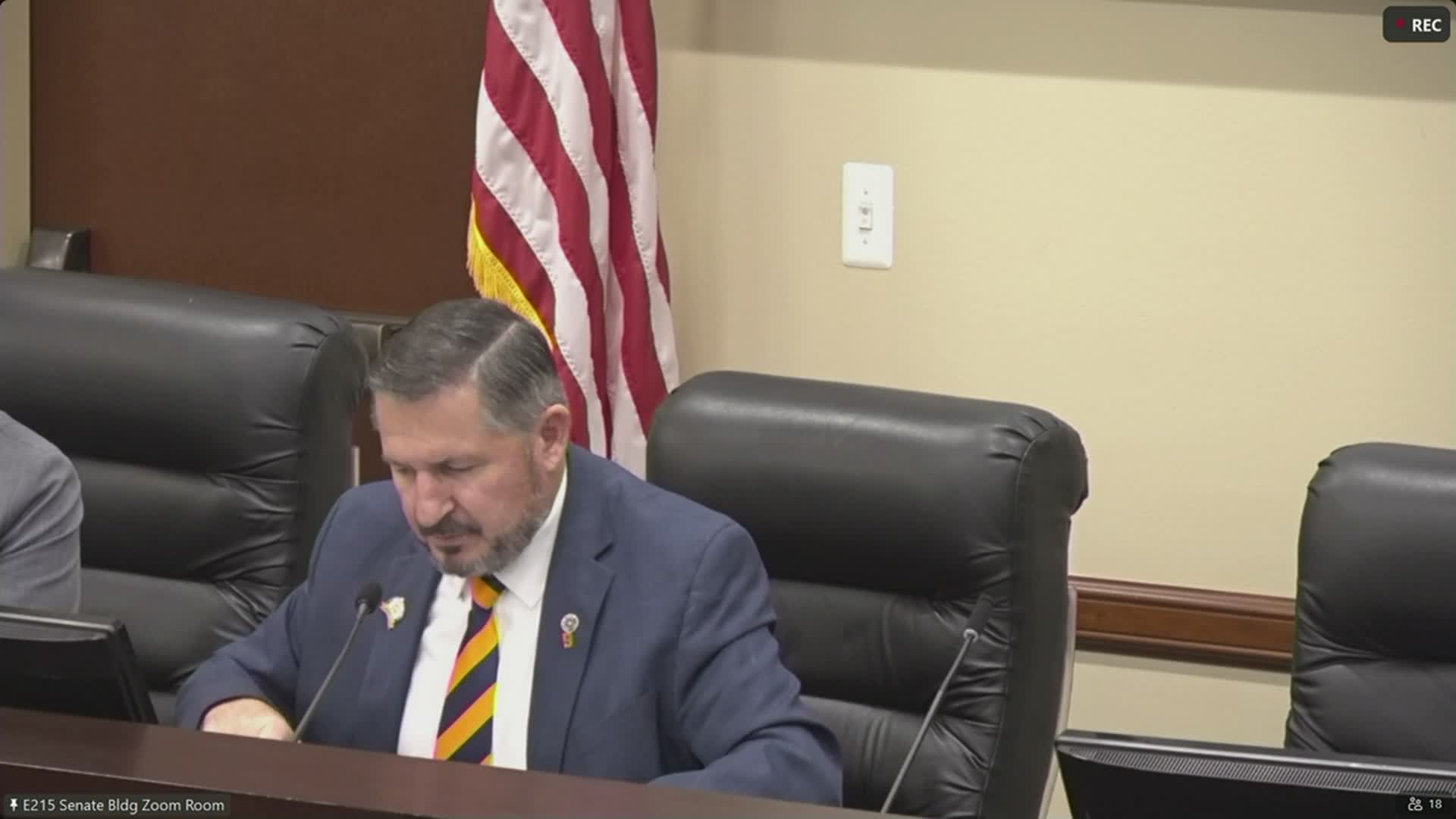
Representative Chu told the committee the second substitute to HB 473 moves the Colorado River Authority out of the governor’s office and under the Department of Natural Resources to make the authority more flexible and better resourced. He said the change responds to ongoing Colorado River negotiations and the possibility that Utah may need to prepare for litigation.
"4 73, sub 2 ensures we are organized, prepared and ready to defend," Representative Chu said during his presentation. He and agency witnesses described the change as primarily structural and defensive: shifting reporting and administrative support so the authority can coordinate litigation and policy work and align with other water agencies within DNR.
Cody Stewart, director of strategic engagement for the Colorado River Authority of Utah, told the committee the mission-language edits (removing a standalone reference to 'conserve') were intended to avoid statutory duplication with other DNR authorities and not to reduce conservation activities. "Protect is a pretty broad mandate," Stewart said, adding the state’s conservation programs remain a priority under DNR leadership.
Cecily Ross, a Salt Lake City resident, urged the committee to oppose the bill, saying the change reduces an explicit conservation mandate and could empower projects such as the Lake Powell Pipeline that she described as "extremely damaging." Ross warned changes to statutory language could undermine Utah’s negotiating position with other Colorado River states and cited Bureau of Reclamation data on Lake Powell water levels.
When asked about the fiscal note, Stewart and others said the apparent cost in the fiscal note reflects a transfer of budget authority within state government rather than a net new appropriation. Senator Hankins moved the favorable recommendation; the committee reported the bill out to the full Senate with a recorded vote of 5–1.
The committee did not adopt any amendments on the floor; next steps are a floor referral to the full Senate as the committee’s favorable recommendation moves HB 473 forward.
"4 73, sub 2 ensures we are organized, prepared and ready to defend," Representative Chu said during his presentation. He and agency witnesses described the change as primarily structural and defensive: shifting reporting and administrative support so the authority can coordinate litigation and policy work and align with other water agencies within DNR.
Cody Stewart, director of strategic engagement for the Colorado River Authority of Utah, told the committee the mission-language edits (removing a standalone reference to 'conserve') were intended to avoid statutory duplication with other DNR authorities and not to reduce conservation activities. "Protect is a pretty broad mandate," Stewart said, adding the state’s conservation programs remain a priority under DNR leadership.
Cecily Ross, a Salt Lake City resident, urged the committee to oppose the bill, saying the change reduces an explicit conservation mandate and could empower projects such as the Lake Powell Pipeline that she described as "extremely damaging." Ross warned changes to statutory language could undermine Utah’s negotiating position with other Colorado River states and cited Bureau of Reclamation data on Lake Powell water levels.
When asked about the fiscal note, Stewart and others said the apparent cost in the fiscal note reflects a transfer of budget authority within state government rather than a net new appropriation. Senator Hankins moved the favorable recommendation; the committee reported the bill out to the full Senate with a recorded vote of 5–1.
The committee did not adopt any amendments on the floor; next steps are a floor referral to the full Senate as the committee’s favorable recommendation moves HB 473 forward.
Don't Miss a Word: See the Full Meeting!
Go beyond summaries. Unlock every video, transcript, and key insight with a Founder Membership.
✓
Get instant access to full meeting videos
✓
Search and clip any phrase from complete transcripts
✓
Receive AI-powered summaries & custom alerts
✓
Enjoy lifetime, unrestricted access to government data
30-day money-back guarantee
