House passes septic-inspection bill after debate over cost and enforcement
February 21, 2026 | HOUSE OF REPRESENTATIVES, Committees, Legislative, Maryland
This article was created by AI summarizing key points discussed. AI makes mistakes, so for full details and context, please refer to the video of the full meeting. Please report any errors so we can fix them. Report an error »
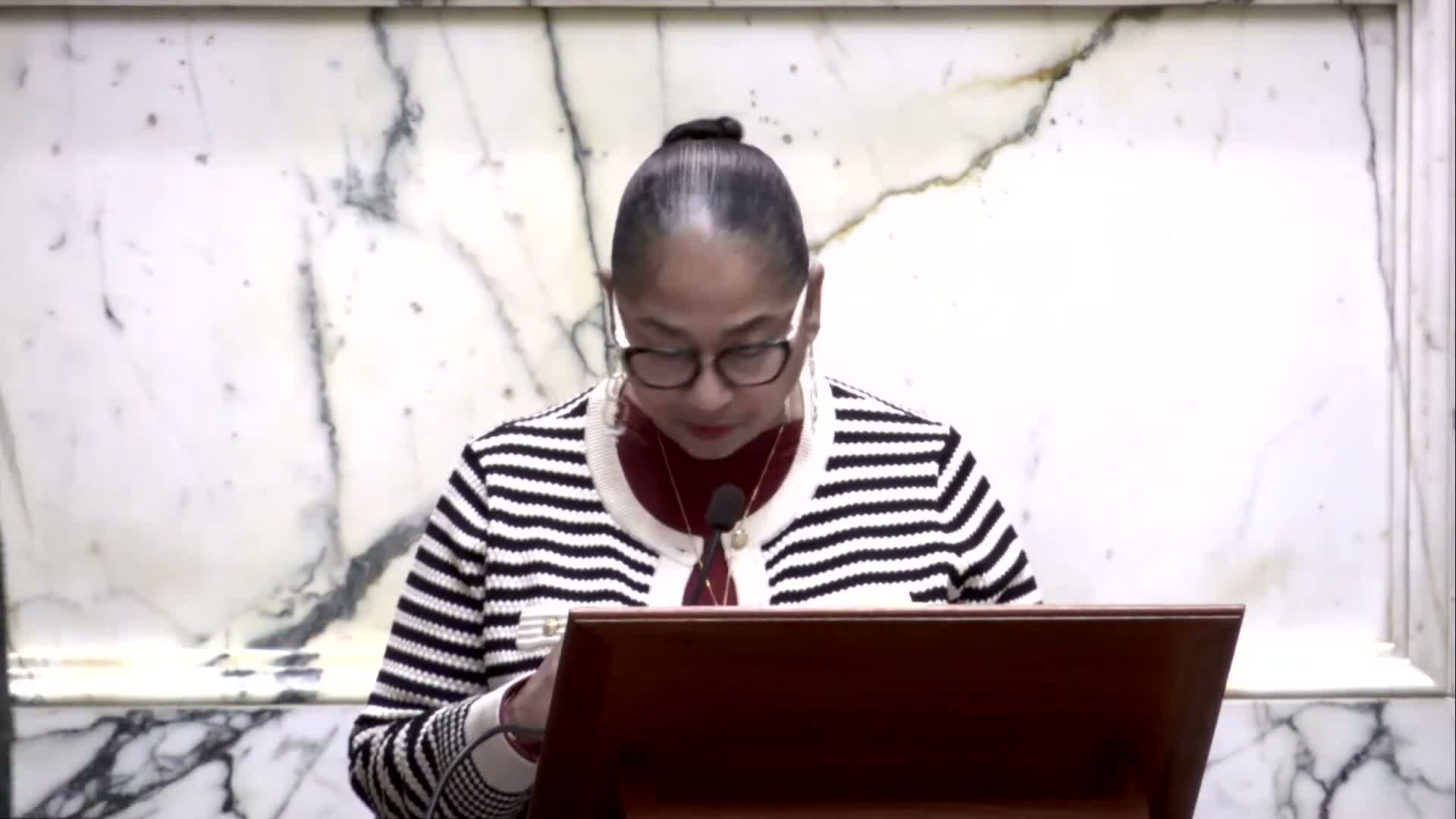
The Maryland House of Delegates passed House Bill 146 on Tuesday, a measure requiring inspection and periodic pump-outs for many on-site wastewater (septic) systems, after extended floor debate about costs and enforcement. The clerk announced the vote as 93 in favor and 36 opposed, declaring the bill passed.
Supporters, led on the floor by the House floor leader, said the measure protects buyers and local water quality by making failing systems easier to identify. "If they're not properly maintained... when they fail and you have to have a new system installed, it can be very, very expensive," the floor leader said, noting that full replacements can cost well into five figures.
Opponents, including the minority whip, argued the bill will add transaction costs that harm affordability in rural housing markets. "This bill is adding 1000 dollars to the cost of housing," the minority whip said, arguing mandated inspections and pump-outs shift costs onto sellers or buyers and could make properties harder to sell.
Several delegates who said they work in real estate or install septic systems described a range of out-of-pocket costs. The floor leader described his own annual inspection at about $300 and said pump-outs can be "a few hundred" more; another speaker said online estimates can reach $1,000, and a representative who sold a property supplied a receipt of $1,538 for excavation-based work. A contractor who has installed thousands of systems cautioned that routine probing or unnecessary pump-outs can be counterproductive for certain newer systems.
Questions on enforcement were a central thread. One delegate asked how the bill would affect cash sales if a system could not be certified; the floor leader said the bill requires inspection and pump-out but that certification and contract terms between buyer and seller remain part of private transactions. Another speaker urged pairing inspection mandates with faster permitting and replacement processes through the Department of Health, saying delays can effectively block the use or sale of a property once a failure is identified.
The measure passed on third reading after an adopted floor amendment; a floor explanation recorded that the amendment addressed timing and replacement concerns but left implementation questions about approval timelines for repairs and replacements.
The House recorded the final tally on the floor and moved on to other calendar items.
Supporters, led on the floor by the House floor leader, said the measure protects buyers and local water quality by making failing systems easier to identify. "If they're not properly maintained... when they fail and you have to have a new system installed, it can be very, very expensive," the floor leader said, noting that full replacements can cost well into five figures.
Opponents, including the minority whip, argued the bill will add transaction costs that harm affordability in rural housing markets. "This bill is adding 1000 dollars to the cost of housing," the minority whip said, arguing mandated inspections and pump-outs shift costs onto sellers or buyers and could make properties harder to sell.
Several delegates who said they work in real estate or install septic systems described a range of out-of-pocket costs. The floor leader described his own annual inspection at about $300 and said pump-outs can be "a few hundred" more; another speaker said online estimates can reach $1,000, and a representative who sold a property supplied a receipt of $1,538 for excavation-based work. A contractor who has installed thousands of systems cautioned that routine probing or unnecessary pump-outs can be counterproductive for certain newer systems.
Questions on enforcement were a central thread. One delegate asked how the bill would affect cash sales if a system could not be certified; the floor leader said the bill requires inspection and pump-out but that certification and contract terms between buyer and seller remain part of private transactions. Another speaker urged pairing inspection mandates with faster permitting and replacement processes through the Department of Health, saying delays can effectively block the use or sale of a property once a failure is identified.
The measure passed on third reading after an adopted floor amendment; a floor explanation recorded that the amendment addressed timing and replacement concerns but left implementation questions about approval timelines for repairs and replacements.
The House recorded the final tally on the floor and moved on to other calendar items.
Don't Miss a Word: See the Full Meeting!
Go beyond summaries. Unlock every video, transcript, and key insight with a Founder Membership.
✓
Get instant access to full meeting videos
✓
Search and clip any phrase from complete transcripts
✓
Receive AI-powered summaries & custom alerts
✓
Enjoy lifetime, unrestricted access to government data
30-day money-back guarantee
