Bill would add tribal consultation to transportation planning and create tribal safety coordinator program
February 24, 2026 | Legislative Sessions, Washington
This article was created by AI summarizing key points discussed. AI makes mistakes, so for full details and context, please refer to the video of the full meeting. Please report any errors so we can fix them. Report an error »
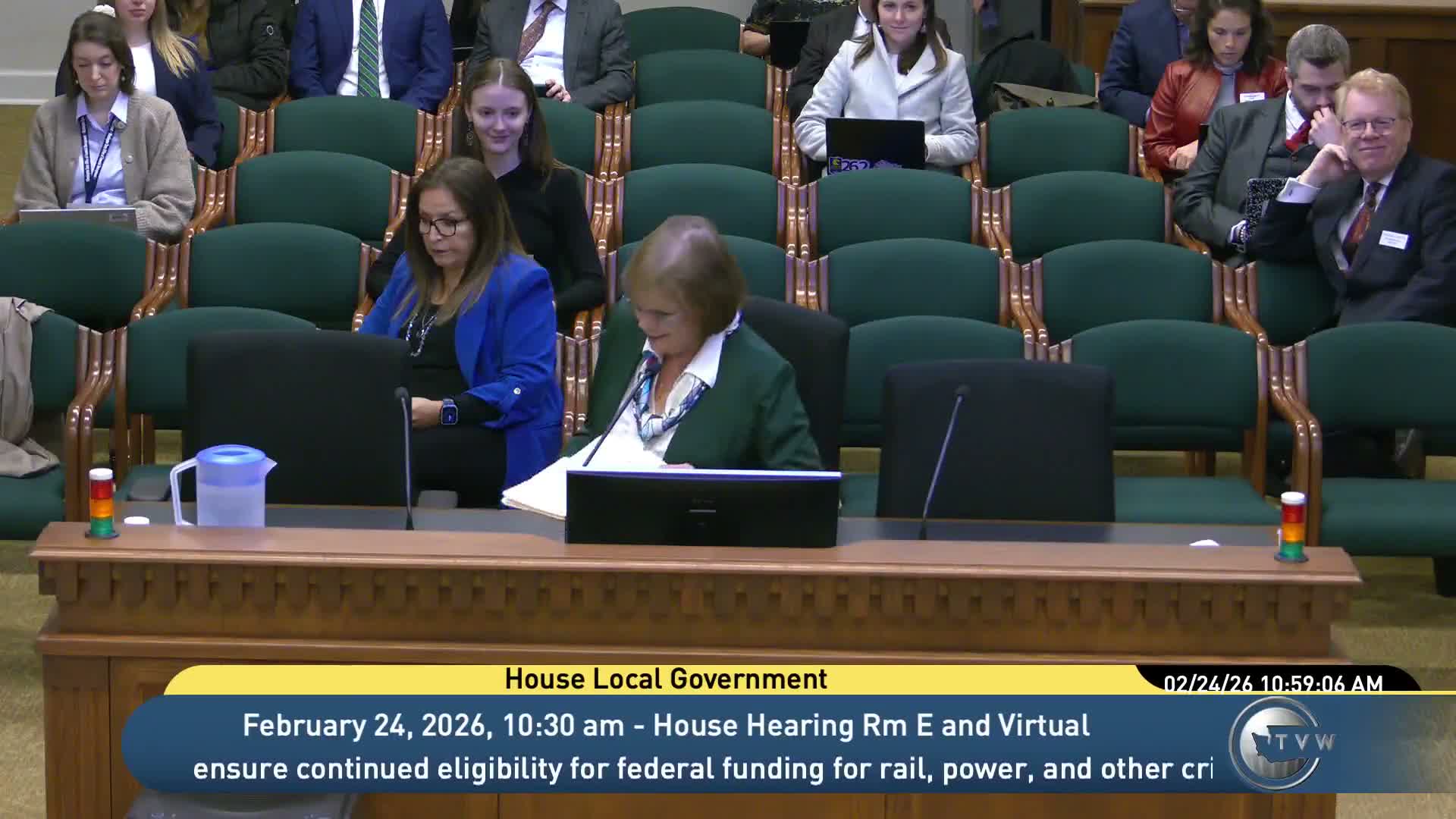
The committee heard engrossed second substitute Senate Bill 5,374, a measure that would require transportation planning and programming processes to include affected federally recognized tribes and to assess impacts on tribal areas. The bill would also direct the traffic safety commission to establish a tribal safety coordinator program to assist tribes with traffic-safety strategies and award grants for tribal safety work.
Elizabeth Ren, committee staff, said the bill amends the transportation element of planning statutes to require outreach and coordination with affected tribes, including assessment of impacts on tribal areas, and described the tribal safety coordinator program and its grant-making role.
Senator Claudia Kaufman (47th Legislative District) said American Indian communities in Washington experience disproportionately high pedestrian fatality rates and said the bill aims to strengthen tribal partnerships and traffic-safety initiatives. "This is really just a consultation and protection of safety of pedestrians that we have on our rural roads throughout Washington state," Kaufman said.
County representatives supported the policy goal but asked the committee to tie the bill more explicitly to the Growth Management Act (GMA) dispute-resolution and technical-assistance processes to ensure counties that do not plan under GMA have access to the same tools and assistance. Axel Swanson of the Association of Counties requested cross-reference language to RCW 36.70A.190 and to the GMA coordination statute so smaller or non-GMA counties have support and clarity.
Committee members asked whether the bill adds a new dispute-resolution right; sponsors and staff said they would follow up with specifics and that the bill requires consultation but does not itself prescribe an MOU or dispute-resolution mechanism.
The committee closed the hearing and asked staff and sponsors to circulate technical clarifications ahead of executive action.
Elizabeth Ren, committee staff, said the bill amends the transportation element of planning statutes to require outreach and coordination with affected tribes, including assessment of impacts on tribal areas, and described the tribal safety coordinator program and its grant-making role.
Senator Claudia Kaufman (47th Legislative District) said American Indian communities in Washington experience disproportionately high pedestrian fatality rates and said the bill aims to strengthen tribal partnerships and traffic-safety initiatives. "This is really just a consultation and protection of safety of pedestrians that we have on our rural roads throughout Washington state," Kaufman said.
County representatives supported the policy goal but asked the committee to tie the bill more explicitly to the Growth Management Act (GMA) dispute-resolution and technical-assistance processes to ensure counties that do not plan under GMA have access to the same tools and assistance. Axel Swanson of the Association of Counties requested cross-reference language to RCW 36.70A.190 and to the GMA coordination statute so smaller or non-GMA counties have support and clarity.
Committee members asked whether the bill adds a new dispute-resolution right; sponsors and staff said they would follow up with specifics and that the bill requires consultation but does not itself prescribe an MOU or dispute-resolution mechanism.
The committee closed the hearing and asked staff and sponsors to circulate technical clarifications ahead of executive action.
View the Full Meeting & All Its Details
This article offers just a summary. Unlock complete video, transcripts, and insights as a Founder Member.
✓
Watch full, unedited meeting videos
✓
Search every word spoken in unlimited transcripts
✓
AI summaries & real-time alerts (all government levels)
✓
Permanent access to expanding government content
30-day money-back guarantee
