House circles bill that would restrict some nonemergency public benefits to citizens
February 23, 2026 | 2026 Utah Legislature, Utah Legislature, Utah Legislative Branch, Utah
This article was created by AI summarizing key points discussed. AI makes mistakes, so for full details and context, please refer to the video of the full meeting. Please report any errors so we can fix them. Report an error »
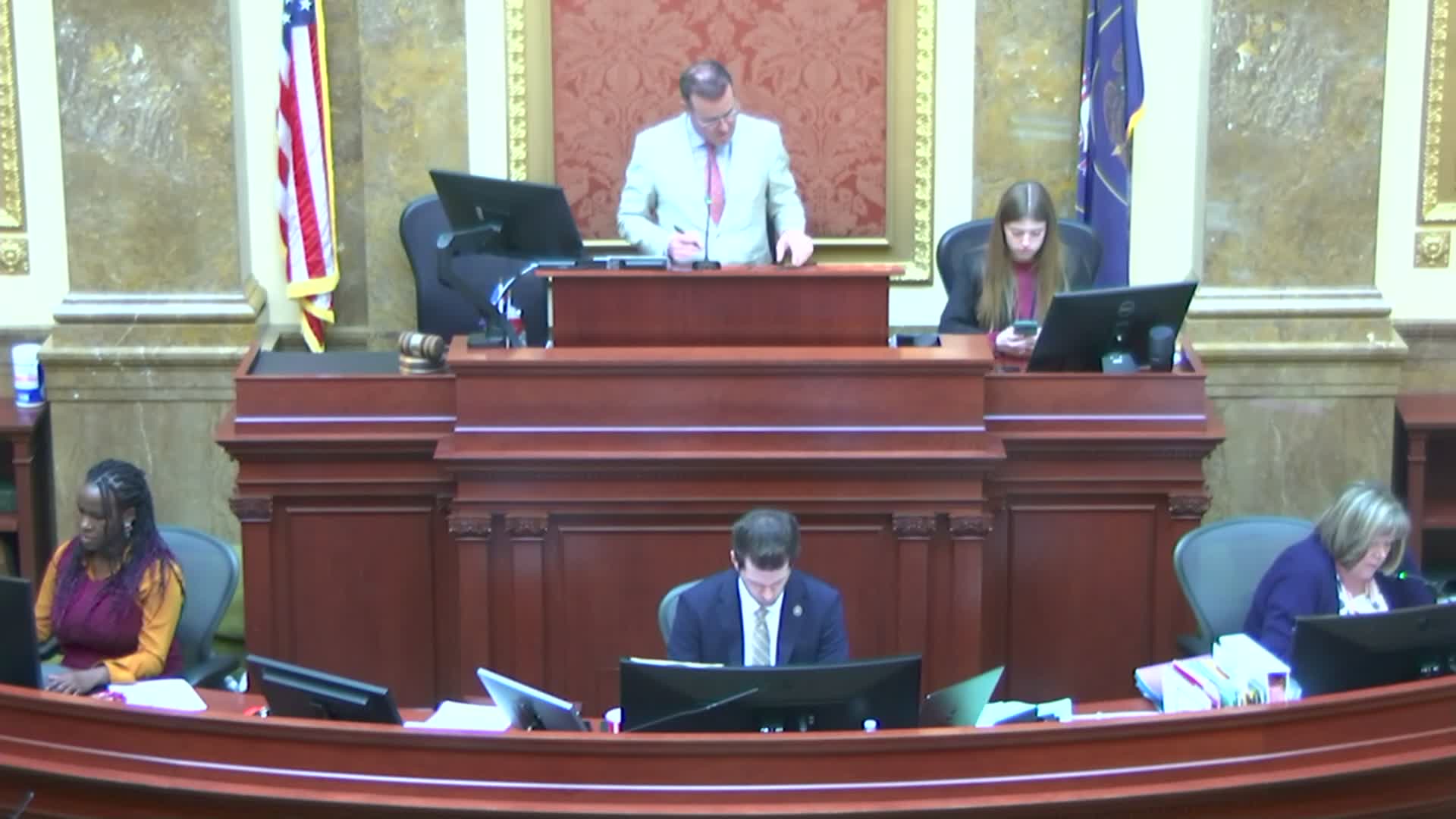
Representative Lee presented the sixth substitute to House Bill 88 proposing to restrict certain taxpayer-funded, nonemergency benefits to U.S. citizens or qualified legal residents, narrow eligibility, and change enforcement mechanisms (including removing a private right of action and lowering some penalties from a misdemeanor B to an infraction under the substitute). The sponsor framed the measure as one of stewardship of limited taxpayer funds and said the substitute includes narrowly tailored exceptions for federally mandated emergency situations and public-safety responses.
The House heard extended debate spanning practical, ethical, and operational questions. Representatives and questioners asked how the bill would be implemented in everyday settings: school lunches, food pantries, senior centers, homeless shelters, and health-care prevention efforts. Multiple members—Representative Ward, Representative Acton, Representative Stoddard and others—raised concerns about how charities and volunteer-run operations would operationalize identity verification, whether the requirement to “immediately deny” services was workable, and whether preventive public-health measures (like immunizations) would be impaired. Sponsor Lee said that charitable donations and privately funded distributions are not affected and that the bill includes exemptions for emergencies and federally required responses.
Stakeholders and members warned of practical burdens on nonprofits and local governments, possible chilling effects on service providers, and moral objections about withholding basic services. Representative Stoddard and Representative Acton argued the policy runs counter to community traditions and could make it difficult for long-standing service recipients to access help; Representative McPherson and others emphasized the state’s role to establish accountability for taxpayer funds while also recognizing charities’ role.
After a lengthy floor exchange, Representative Karen Peterson moved to circle the bill to allow additional stakeholder review and clarification. The motion to circle passed, and the bill was sent back to the Rules calendar for further stakeholder engagement and operational clarifications.
What happens next: HB 88 will be revised or held for additional stakeholder input and administrative guidance before further floor action; leaders and local governments will likely continue discussions about operational details for food pantries, homeless shelters, senior meal programs, and public-health preventative services.
Representative quotes: "If we're at the point where we're going to say... even for a thing as basic as food, we are going to take action against who tries to help you out, to me, that is not right," Representative Stoddard said. Representative Lee said the bill is about being "good stewards" of taxpayer money.
The House heard extended debate spanning practical, ethical, and operational questions. Representatives and questioners asked how the bill would be implemented in everyday settings: school lunches, food pantries, senior centers, homeless shelters, and health-care prevention efforts. Multiple members—Representative Ward, Representative Acton, Representative Stoddard and others—raised concerns about how charities and volunteer-run operations would operationalize identity verification, whether the requirement to “immediately deny” services was workable, and whether preventive public-health measures (like immunizations) would be impaired. Sponsor Lee said that charitable donations and privately funded distributions are not affected and that the bill includes exemptions for emergencies and federally required responses.
Stakeholders and members warned of practical burdens on nonprofits and local governments, possible chilling effects on service providers, and moral objections about withholding basic services. Representative Stoddard and Representative Acton argued the policy runs counter to community traditions and could make it difficult for long-standing service recipients to access help; Representative McPherson and others emphasized the state’s role to establish accountability for taxpayer funds while also recognizing charities’ role.
After a lengthy floor exchange, Representative Karen Peterson moved to circle the bill to allow additional stakeholder review and clarification. The motion to circle passed, and the bill was sent back to the Rules calendar for further stakeholder engagement and operational clarifications.
What happens next: HB 88 will be revised or held for additional stakeholder input and administrative guidance before further floor action; leaders and local governments will likely continue discussions about operational details for food pantries, homeless shelters, senior meal programs, and public-health preventative services.
Representative quotes: "If we're at the point where we're going to say... even for a thing as basic as food, we are going to take action against who tries to help you out, to me, that is not right," Representative Stoddard said. Representative Lee said the bill is about being "good stewards" of taxpayer money.
Don't Miss a Word: See the Full Meeting!
Go beyond summaries. Unlock every video, transcript, and key insight with a Founder Membership.
✓
Get instant access to full meeting videos
✓
Search and clip any phrase from complete transcripts
✓
Receive AI-powered summaries & custom alerts
✓
Enjoy lifetime, unrestricted access to government data
30-day money-back guarantee
