Committee moves legislator-autonomy clarification (HB 487) to consent calendar
February 23, 2026 | 2026 Utah Legislature, Utah Legislature, Utah Legislative Branch, Utah
This article was created by AI summarizing key points discussed. AI makes mistakes, so for full details and context, please refer to the video of the full meeting. Please report any errors so we can fix them. Report an error »
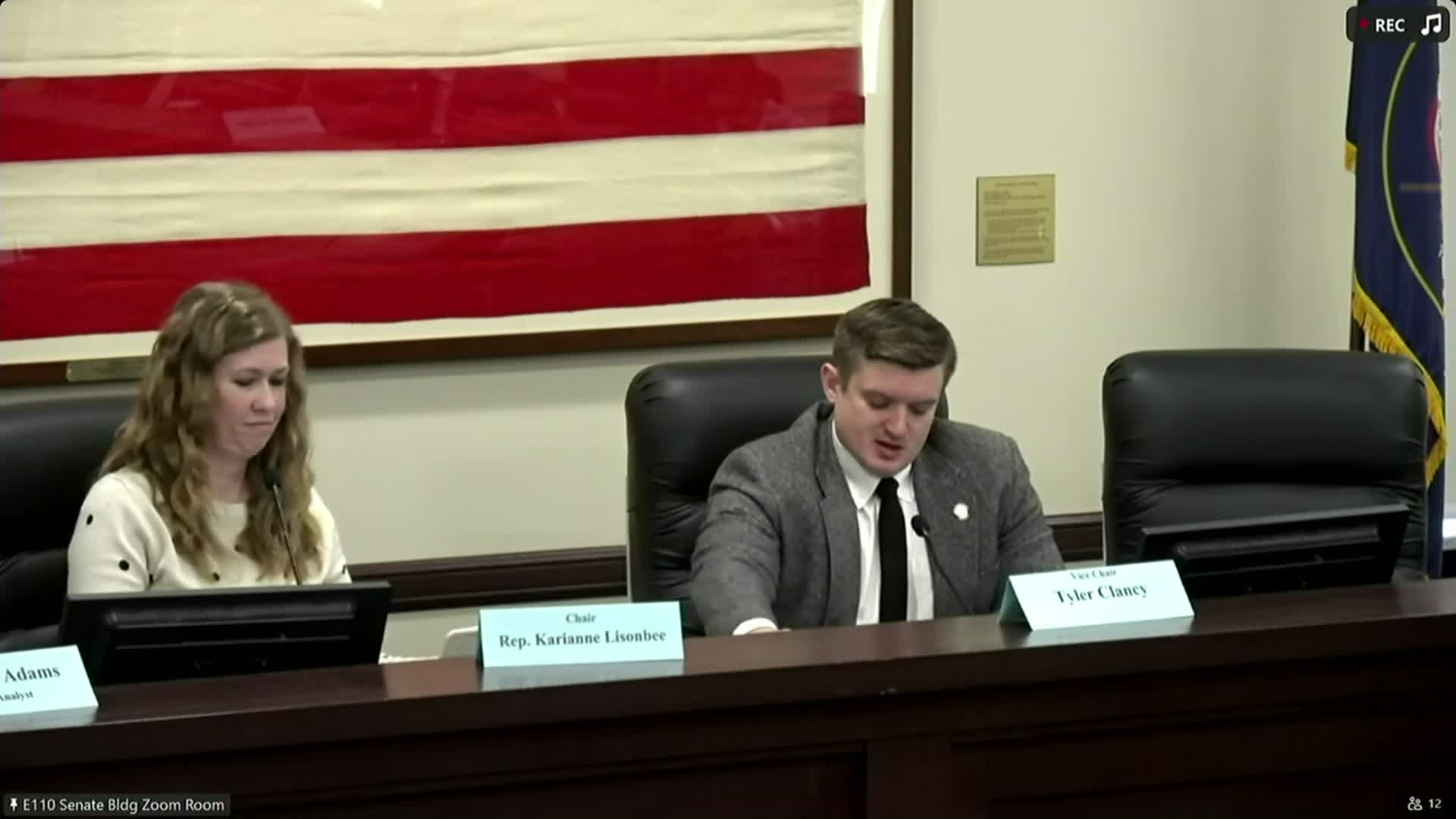
Representative McPherson spoke to first substitute HB 487 on Feb. 23, calling it a straightforward, technical bill that clarifies legislators’ ability to open bill files and consolidates language governing post-enactment code corrections. He said the changes come at the request of the Office of Legislative Research and General Counsel and are meant to reduce confusion among newer legislators about their formal authority.
Committee members asked why the bill was necessary. McPherson said he had informally polled colleagues and found uncertainty about whether a legislator could open bill files on controversial topics; the substitute clarifies that legislators may open bill files and that routine code corrections do not alter legal effect. The committee adopted the first substitute by voice vote and then favorably recommended the bill to the House; members subsequently moved to add the item to the consent calendar.
There were no public comments recorded during the committee’s consideration of this bill. The committee’s unanimous votes moved the first substitute forward with the sponsor and committee describing the measure as cleanup and clarification rather than a change in substantive authority.
Committee members asked why the bill was necessary. McPherson said he had informally polled colleagues and found uncertainty about whether a legislator could open bill files on controversial topics; the substitute clarifies that legislators may open bill files and that routine code corrections do not alter legal effect. The committee adopted the first substitute by voice vote and then favorably recommended the bill to the House; members subsequently moved to add the item to the consent calendar.
There were no public comments recorded during the committee’s consideration of this bill. The committee’s unanimous votes moved the first substitute forward with the sponsor and committee describing the measure as cleanup and clarification rather than a change in substantive authority.
View the Full Meeting & All Its Details
This article offers just a summary. Unlock complete video, transcripts, and insights as a Founder Member.
✓
Watch full, unedited meeting videos
✓
Search every word spoken in unlimited transcripts
✓
AI summaries & real-time alerts (all government levels)
✓
Permanent access to expanding government content
30-day money-back guarantee
