Committee approves technical alimony changes, including cohabitation timing and tax treatment (SB 59)
February 23, 2026 | 2026 Utah Legislature, Utah Legislature, Utah Legislative Branch, Utah
This article was created by AI summarizing key points discussed. AI makes mistakes, so for full details and context, please refer to the video of the full meeting. Please report any errors so we can fix them. Report an error »
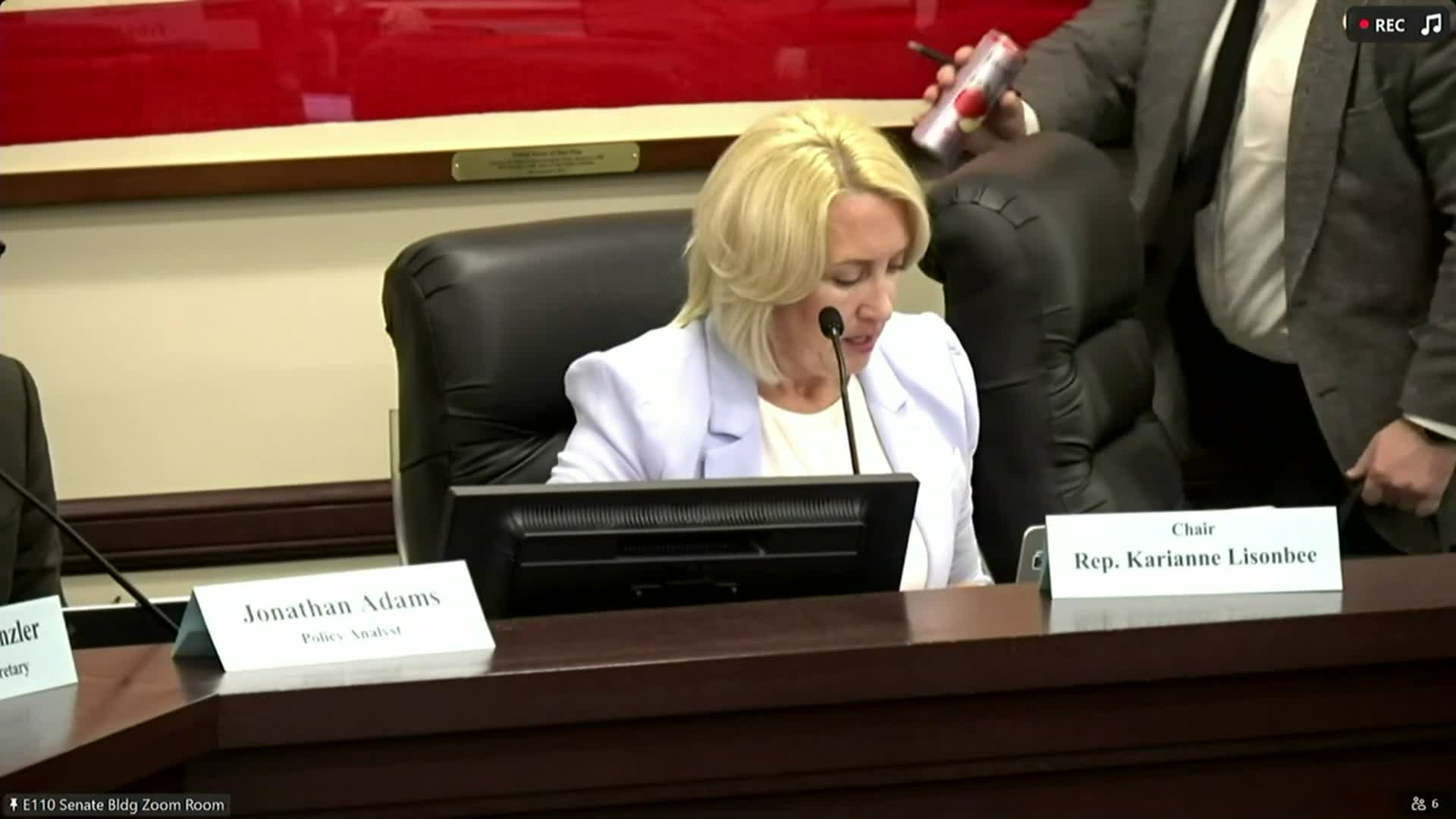
Sponsors presented first substitute SB 59 to the Committee on Feb. 23. The bill clarifies two areas of alimony law: (1) it directs courts to consider periods of cohabitation during the pendency of a divorce proceeding (counting cohabitation during the actionable period rather than only at trial), and (2) it updates statutory language so judges may consider the tax treatment of alimony following the 2017 federal Tax Cuts and Jobs Act when calculating awards. Sponsors said the changes respond to constituent issues and to a 2020 statutory clarification that altered the treatment of retirement and other foreseeable events.
Committee members asked how courts would prove cohabitation and how to distinguish romantic cohabitation from roommate arrangements; sponsors replied that cohabitation is a question of fact for the court and requires evidence of a romantic/sexual relationship. An online public commenter raised concerns about the administrative and tax-analysis burdens for parties and potential hidden costs. The committee adopted the first substitute by voice vote (announced as 6 to 3) and later favorably recommended the first substitute by roll-call vote (5 to 4).
Opponents said the changes could reinforce rules that end alimony upon cohabitation and expressed policy disagreement with that approach; proponents said the bill aligns alimony rules with longstanding practice that support should end when a former spouse relies on another partner for support. The committee concluded its hearing by approving the first substitute and sending it to the House floor.
Committee members asked how courts would prove cohabitation and how to distinguish romantic cohabitation from roommate arrangements; sponsors replied that cohabitation is a question of fact for the court and requires evidence of a romantic/sexual relationship. An online public commenter raised concerns about the administrative and tax-analysis burdens for parties and potential hidden costs. The committee adopted the first substitute by voice vote (announced as 6 to 3) and later favorably recommended the first substitute by roll-call vote (5 to 4).
Opponents said the changes could reinforce rules that end alimony upon cohabitation and expressed policy disagreement with that approach; proponents said the bill aligns alimony rules with longstanding practice that support should end when a former spouse relies on another partner for support. The committee concluded its hearing by approving the first substitute and sending it to the House floor.
Don't Miss a Word: See the Full Meeting!
Go beyond summaries. Unlock every video, transcript, and key insight with a Founder Membership.
✓
Get instant access to full meeting videos
✓
Search and clip any phrase from complete transcripts
✓
Receive AI-powered summaries & custom alerts
✓
Enjoy lifetime, unrestricted access to government data
30-day money-back guarantee
