House backs location-monitoring for registry non-reporting in first substitute of HB 370
February 23, 2026 | 2026 Utah Legislature, Utah Legislature, Utah Legislative Branch, Utah
This article was created by AI summarizing key points discussed. AI makes mistakes, so for full details and context, please refer to the video of the full meeting. Please report any errors so we can fix them. Report an error »
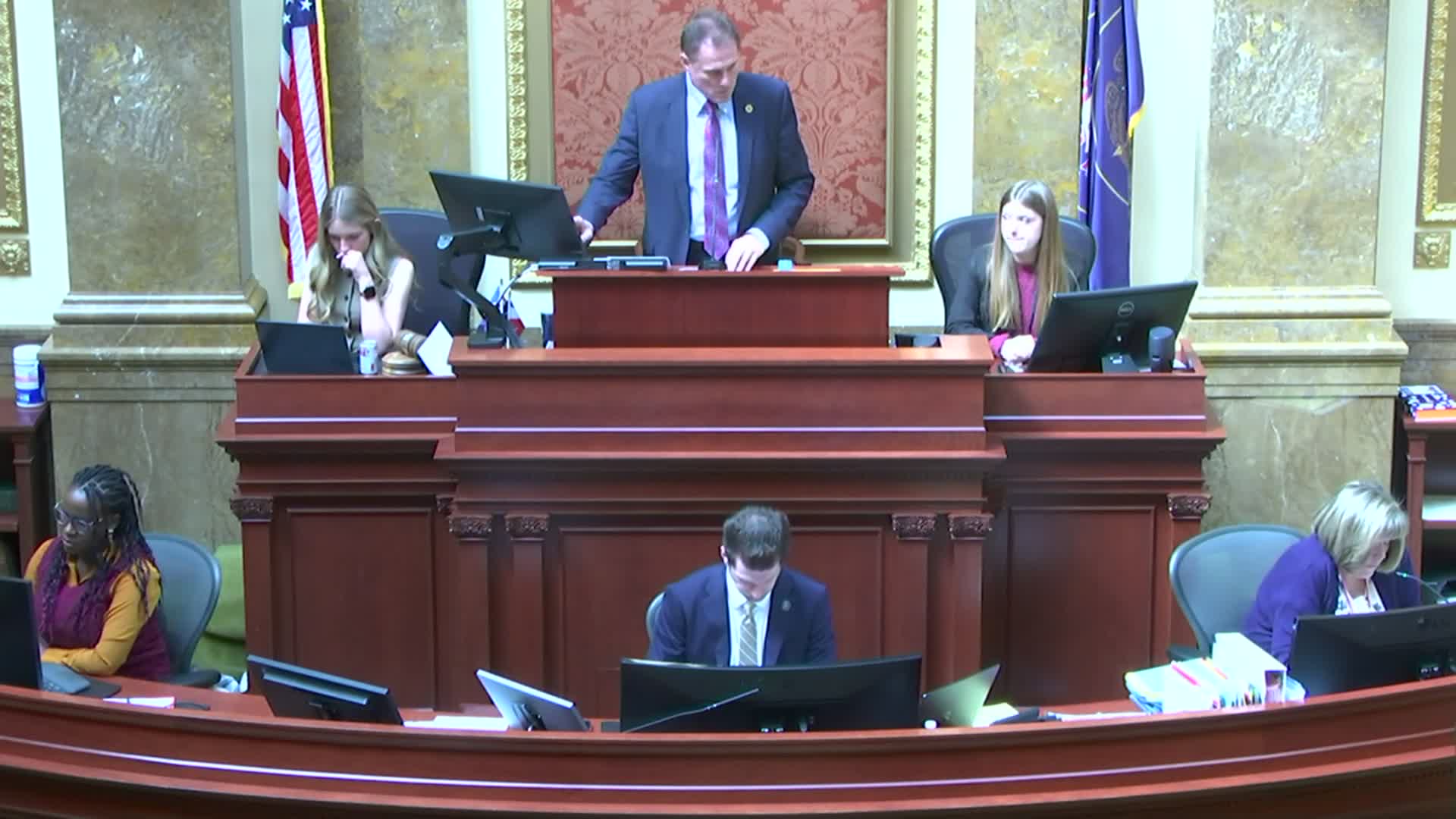
SALT LAKE CITY — Lawmakers on Feb. 23 approved the first substitute of HB 370, a bill that establishes electronic location monitoring for certain offenders on the registry who fail to provide a residential address.
Representative Andrew Lisenby, the sponsor, said the program would begin monitoring one business day after law-enforcement notification if an offender does not provide an address; if an address is supplied, monitoring would not initiate. He told the House that approximately 291 individuals out of 10,000 on the registry do not provide an address and that research indicates a subset of those may be avoiding reporting.
Lisenby cited a 2012 California study he said found arrest rates of 14 percent among those receiving electronic monitoring compared with 26 percent for people under traditional supervision, and a 2023 New Zealand study that found no significant psychological harm from dynamic monitoring. “Electronic monitoring is effective at keeping the public safe and helping offenders become safer, more productive members of society,” he said.
Representative McPherson asked about a fiscal note; Lisenby said the fiscal note was released Friday and was adjusted downward after clarifications about requirements. Representative Hansen said he opposed the measure because it included rulemaking authority.
The House passed the first substitute, 71–1, and the bill will go to the Senate for consideration.
Vote: First substitute, HB 370 — Passed, 71–1.
Clarifying details: Sponsor said monitoring would start one business day after notice if no address is provided; if an address is provided, monitoring would not occur. Sponsor referenced estimates that a quarter to a third of those without addresses may actually have addresses but are avoiding providing them; transcript provided no primary fiscal figures other than a note the fiscal estimate had been reduced.
Representative Andrew Lisenby, the sponsor, said the program would begin monitoring one business day after law-enforcement notification if an offender does not provide an address; if an address is supplied, monitoring would not initiate. He told the House that approximately 291 individuals out of 10,000 on the registry do not provide an address and that research indicates a subset of those may be avoiding reporting.
Lisenby cited a 2012 California study he said found arrest rates of 14 percent among those receiving electronic monitoring compared with 26 percent for people under traditional supervision, and a 2023 New Zealand study that found no significant psychological harm from dynamic monitoring. “Electronic monitoring is effective at keeping the public safe and helping offenders become safer, more productive members of society,” he said.
Representative McPherson asked about a fiscal note; Lisenby said the fiscal note was released Friday and was adjusted downward after clarifications about requirements. Representative Hansen said he opposed the measure because it included rulemaking authority.
The House passed the first substitute, 71–1, and the bill will go to the Senate for consideration.
Vote: First substitute, HB 370 — Passed, 71–1.
Clarifying details: Sponsor said monitoring would start one business day after notice if no address is provided; if an address is provided, monitoring would not occur. Sponsor referenced estimates that a quarter to a third of those without addresses may actually have addresses but are avoiding providing them; transcript provided no primary fiscal figures other than a note the fiscal estimate had been reduced.
View the Full Meeting & All Its Details
This article offers just a summary. Unlock complete video, transcripts, and insights as a Founder Member.
✓
Watch full, unedited meeting videos
✓
Search every word spoken in unlimited transcripts
✓
AI summaries & real-time alerts (all government levels)
✓
Permanent access to expanding government content
30-day money-back guarantee
