Rules panel advances SJR 16 substitute to tighten legislative-ethics process and add fiscal-note guidance for criminal-penalty bills
February 23, 2026 | 2026 Utah Legislature, Utah Legislature, Utah Legislative Branch, Utah
This article was created by AI summarizing key points discussed. AI makes mistakes, so for full details and context, please refer to the video of the full meeting. Please report any errors so we can fix them. Report an error »
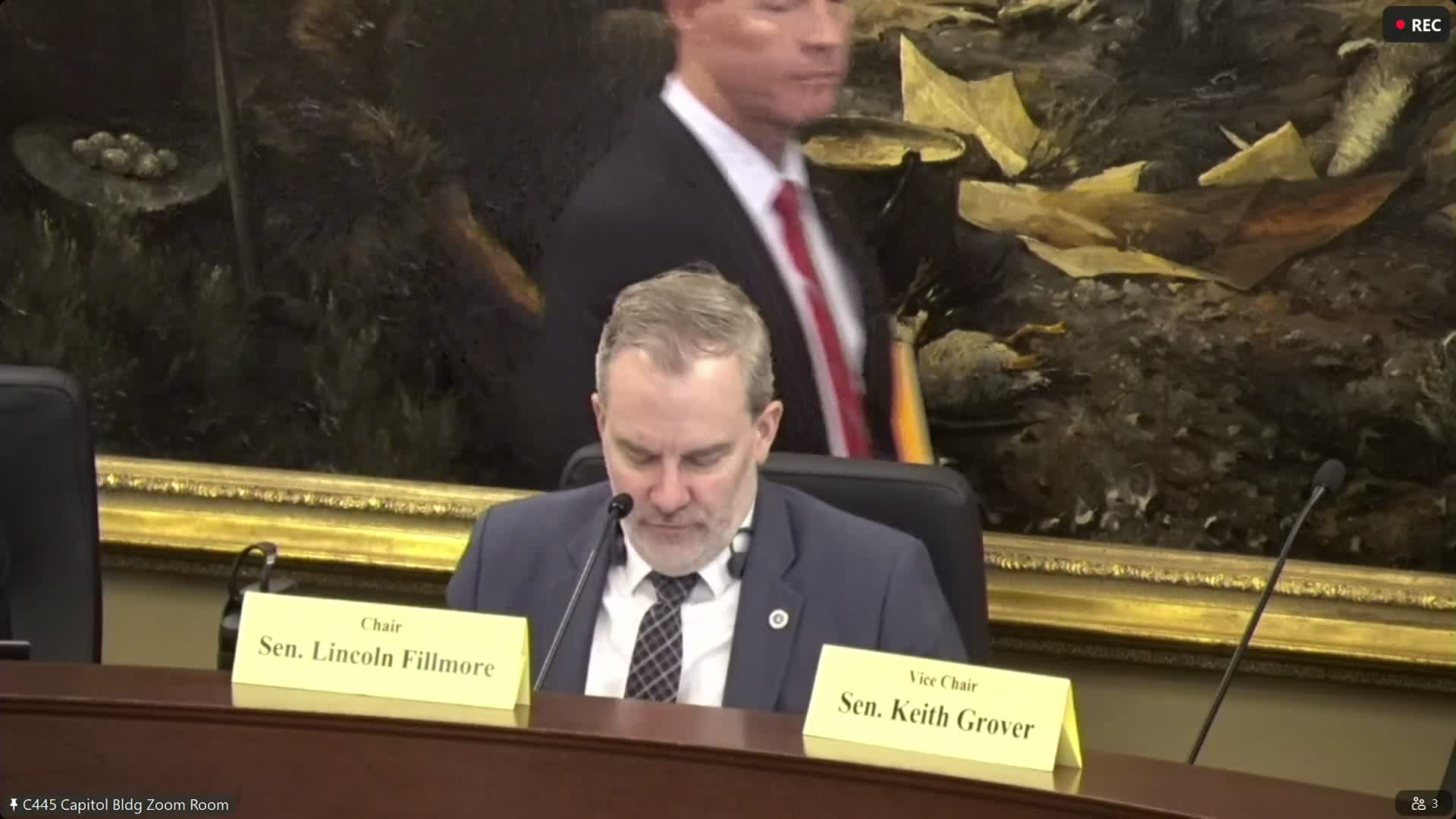
The Utah Senate Rules Standing Committee voted Feb. 23 to adopt a first substitute to SJR 16 that adjusts how the independent legislative ethics commission handles complaints and asks fiscal-note authors to account for future incarceration costs in bills that enhance criminal penalties.
Senator Milner, the sponsor, told the committee the substitute "outlines the circumstances under which the commission can dismiss a complaint," allows an attorney to chair legal portions of proceedings and "requires witnesses to sign affidavits," and adds privacy protections for legislators who are the subject of complaints. He said the substitute also incorporates language to ensure fiscal notes on criminal-penalty bills better reflect potential future capital costs for the Department of Corrections.
The measure’s principal policy change on ethics narrows and clarifies the commission’s processes: it identifies dismissal standards, permits designation of a legally trained presiding officer for complex matters, and requires sworn witness statements to support investigations. On fiscal matters, sponsors and members discussed adding projected capital or operational costs—such as the expense of additional correctional facilities or staff—into fiscal notes for bills that raise penalties, so lawmakers can see possible long-term budget impacts.
Senator Wyler, supporting part of the change, said removing term limits for commission members "makes sense" given the commission’s infrequent meetings. Another member urged caution about the word "capital" in the fiscal-note language, noting operational costs from additional staff can also be significant; Milner said he could change the effective date to the last day of the session to avoid creating immediate triggers for pending bills.
There was no public comment. The committee adopted the substitute and voted to pass first substitute SJR 16 with a favorable recommendation to the floor by voice vote.
The substitute now goes to the full Senate floor for further consideration; sponsors discussed a possible technical amendment to the effective date and to the fiscal-note language before floor action.
Senator Milner, the sponsor, told the committee the substitute "outlines the circumstances under which the commission can dismiss a complaint," allows an attorney to chair legal portions of proceedings and "requires witnesses to sign affidavits," and adds privacy protections for legislators who are the subject of complaints. He said the substitute also incorporates language to ensure fiscal notes on criminal-penalty bills better reflect potential future capital costs for the Department of Corrections.
The measure’s principal policy change on ethics narrows and clarifies the commission’s processes: it identifies dismissal standards, permits designation of a legally trained presiding officer for complex matters, and requires sworn witness statements to support investigations. On fiscal matters, sponsors and members discussed adding projected capital or operational costs—such as the expense of additional correctional facilities or staff—into fiscal notes for bills that raise penalties, so lawmakers can see possible long-term budget impacts.
Senator Wyler, supporting part of the change, said removing term limits for commission members "makes sense" given the commission’s infrequent meetings. Another member urged caution about the word "capital" in the fiscal-note language, noting operational costs from additional staff can also be significant; Milner said he could change the effective date to the last day of the session to avoid creating immediate triggers for pending bills.
There was no public comment. The committee adopted the substitute and voted to pass first substitute SJR 16 with a favorable recommendation to the floor by voice vote.
The substitute now goes to the full Senate floor for further consideration; sponsors discussed a possible technical amendment to the effective date and to the fiscal-note language before floor action.
View the Full Meeting & All Its Details
This article offers just a summary. Unlock complete video, transcripts, and insights as a Founder Member.
✓
Watch full, unedited meeting videos
✓
Search every word spoken in unlimited transcripts
✓
AI summaries & real-time alerts (all government levels)
✓
Permanent access to expanding government content
30-day money-back guarantee
