HHS and FDA unveil draft “plausible mechanism” framework to speed individualized rare‑disease therapies
February 23, 2026 | Human Foods Program, Center for Food Safety and Applied Nutrition (CFSAN), Food and Drug Administration (FDA), Department of Health and Human Services (HHS), Executive, Federal
This article was created by AI summarizing key points discussed. AI makes mistakes, so for full details and context, please refer to the video of the full meeting. Please report any errors so we can fix them. Report an error »
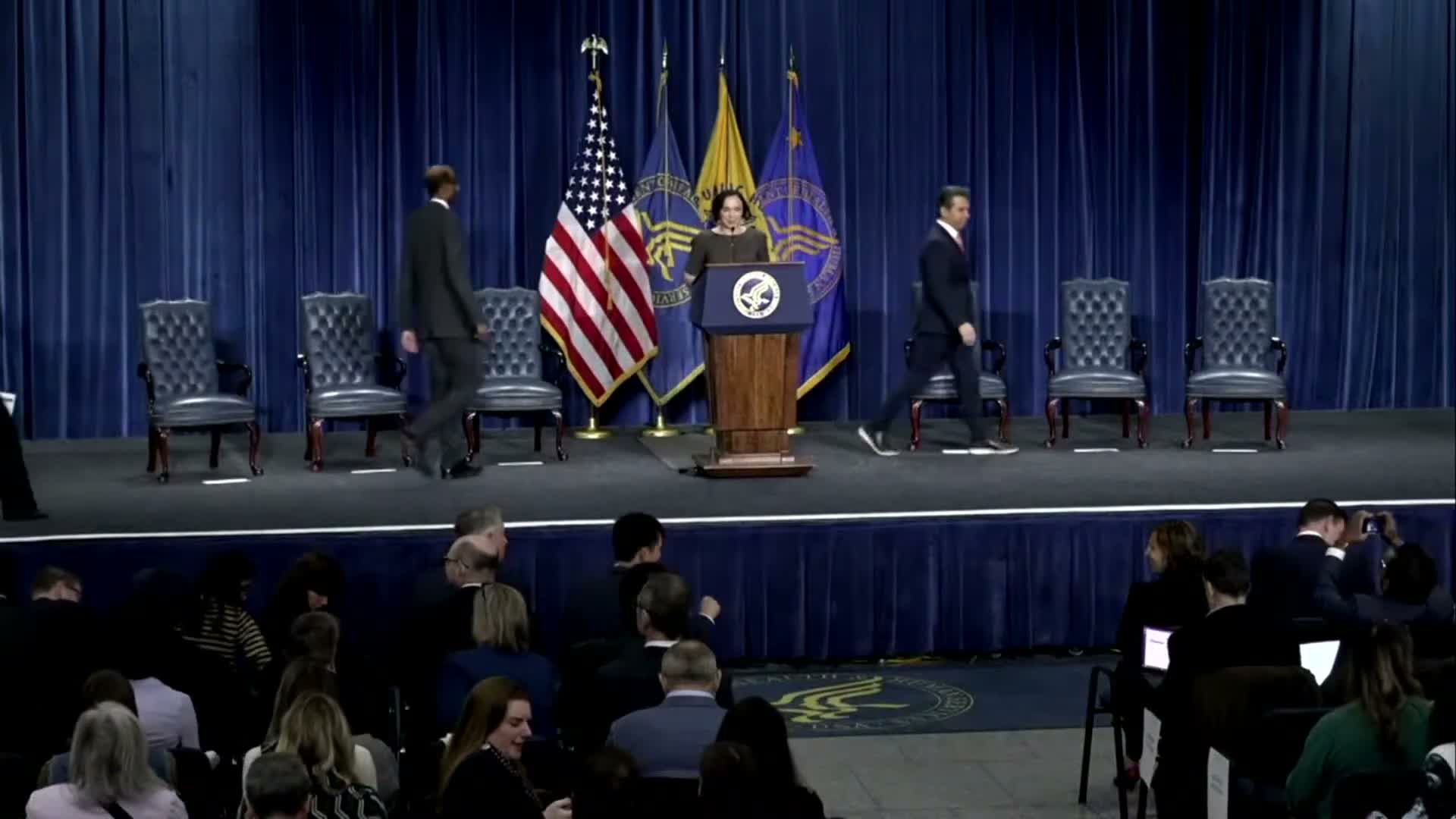
The framework allows a well‑controlled investigation supported by confirmatory evidence to support approval when a therapy targets a clearly defined molecular or cellular defect and produces effects inconsistent with the natural history of disease. FDA Commissioner Marty McCary and CDER acting director Tracy Beth Hogue described how the approach would be applied in practice: reviewers would consider a therapy’s mechanistic plausibility, measurable biochemical or clinical responses, and the totality of evidence, and may review similar individualized interventions under umbrella protocols or combined submissions.
Why it matters: regulators said the pathway could let treatments reach patients faster by avoiding an expectation that each distinct mutation or extremely small subpopulation require a separate randomized trial. Researchers who developed the customized CRISPR treatment for "baby KJ" presented the clinical and laboratory evidence that inspired the guidance; parents and advocates urged urgency while asking for rigorous post‑approval tracking.
What FDA and HHS said they will require: officials stressed prespecified endpoints and robust long‑term safety monitoring. "When biology is clear and the science is sound, we will evaluate therapies based upon strong evidence and not arbitrary barriers," Kennedy said. FDA staff explained reviewers would expect transparent protocols and the ability to reanalyze patient‑level data during review, and anticipated many submissions under the new draft guidance.
Next steps: the guidance was published as a draft; FDA encouraged early meetings with sponsors and indicated cross‑center review teams (CDER/CBER/CDRH) will develop practical processes such as umbrella INDs and combined phase transitions to handle anticipated submissions. The agency said it will require meaningful follow‑up and data governance to protect patient privacy while enabling learning across individual cases.
The announcement follows recent FDA actions on manufacturing flexibilities and statistical approaches designed to lower barriers for gene and cell therapies. FDA leaders and patient advocates framed the framework as a balance between enabling rapid access and maintaining safeguards. The draft guidance and supporting materials are posted on FDA’s website; FDA asked developers and stakeholders to engage with the agency as the policy is implemented.
View the Full Meeting & All Its Details
This article offers just a summary. Unlock complete video, transcripts, and insights as a Founder Member.
30-day money-back guarantee
