FDA panel details cross‑center programs to help small‑population drug and device development
February 23, 2026 | Human Foods Program, Center for Food Safety and Applied Nutrition (CFSAN), Food and Drug Administration (FDA), Department of Health and Human Services (HHS), Executive, Federal
This article was created by AI summarizing key points discussed. AI makes mistakes, so for full details and context, please refer to the video of the full meeting. Please report any errors so we can fix them. Report an error »
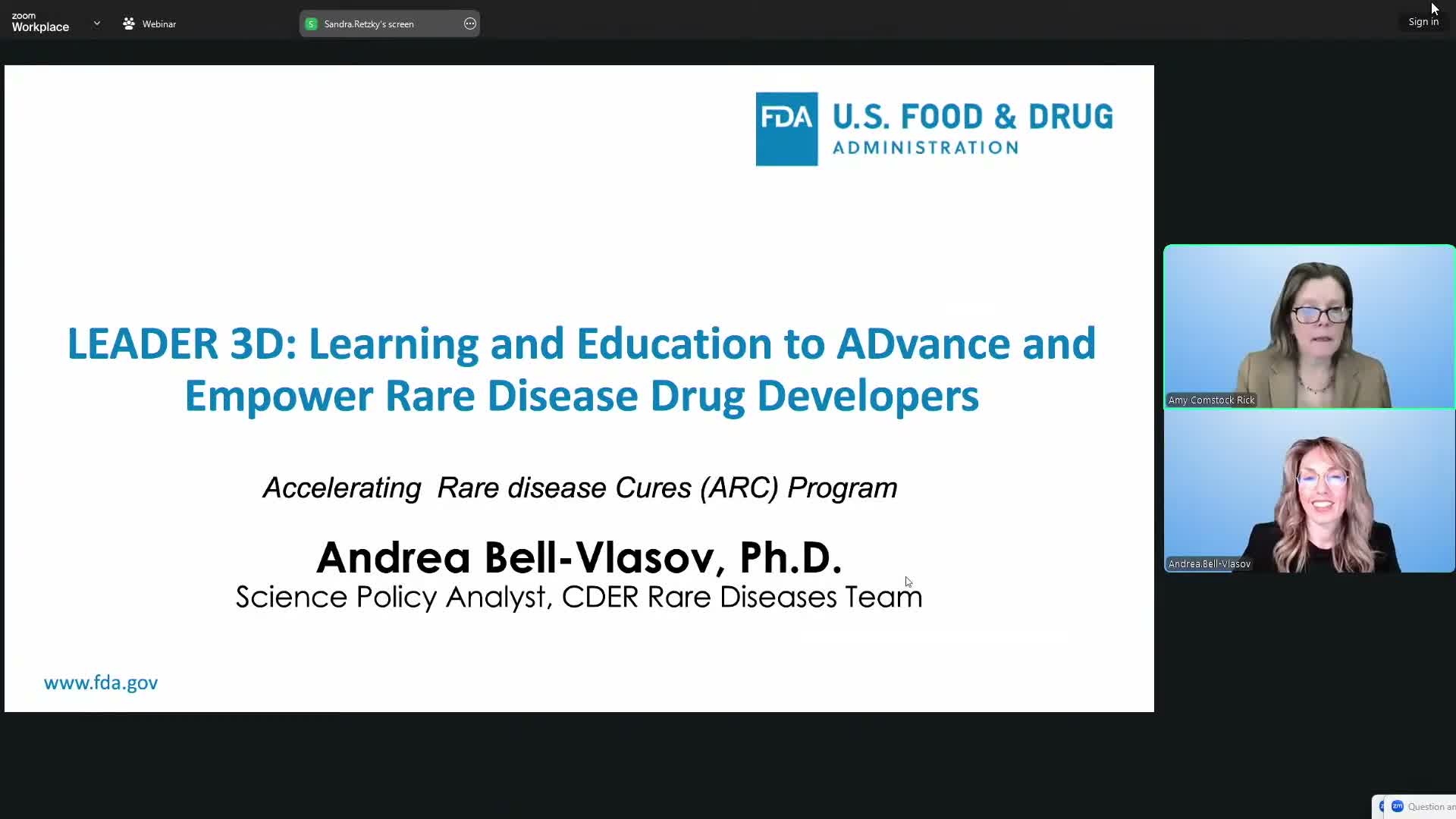
Panelists urged early engagement with FDA: "we always encourage early engagement with sponsors, including patients ... to discuss these innovative clinical trials," CBER noted. The Rare Disease Innovation Hub emphasized cross‑center coordination through the Rare Disease Policy and Portfolio Council and the RISE workshop series on control options and individualized therapies, with high attendance and a continuing federal register docket for community input.
Why it matters: these programs aim to reduce barriers that make standard trial designs impractical for rare and ultra‑rare populations, while preserving evidentiary standards and emphasizing patient‑centered outcomes. Materials, case studies and QR links to resources were made available on the FDA Rare Disease Day web page.
Don't Miss a Word: See the Full Meeting!
Go beyond summaries. Unlock every video, transcript, and key insight with a Founder Membership.
30-day money-back guarantee
