THEC staff warn of potential $141.5 million shortfall in lottery scholarship portfolio
February 21, 2026 | Tennessee Higher Education Commission, State Agencies, Organizations, Executive, Tennessee
This article was created by AI summarizing key points discussed. AI makes mistakes, so for full details and context, please refer to the video of the full meeting. Please report any errors so we can fix them. Report an error »
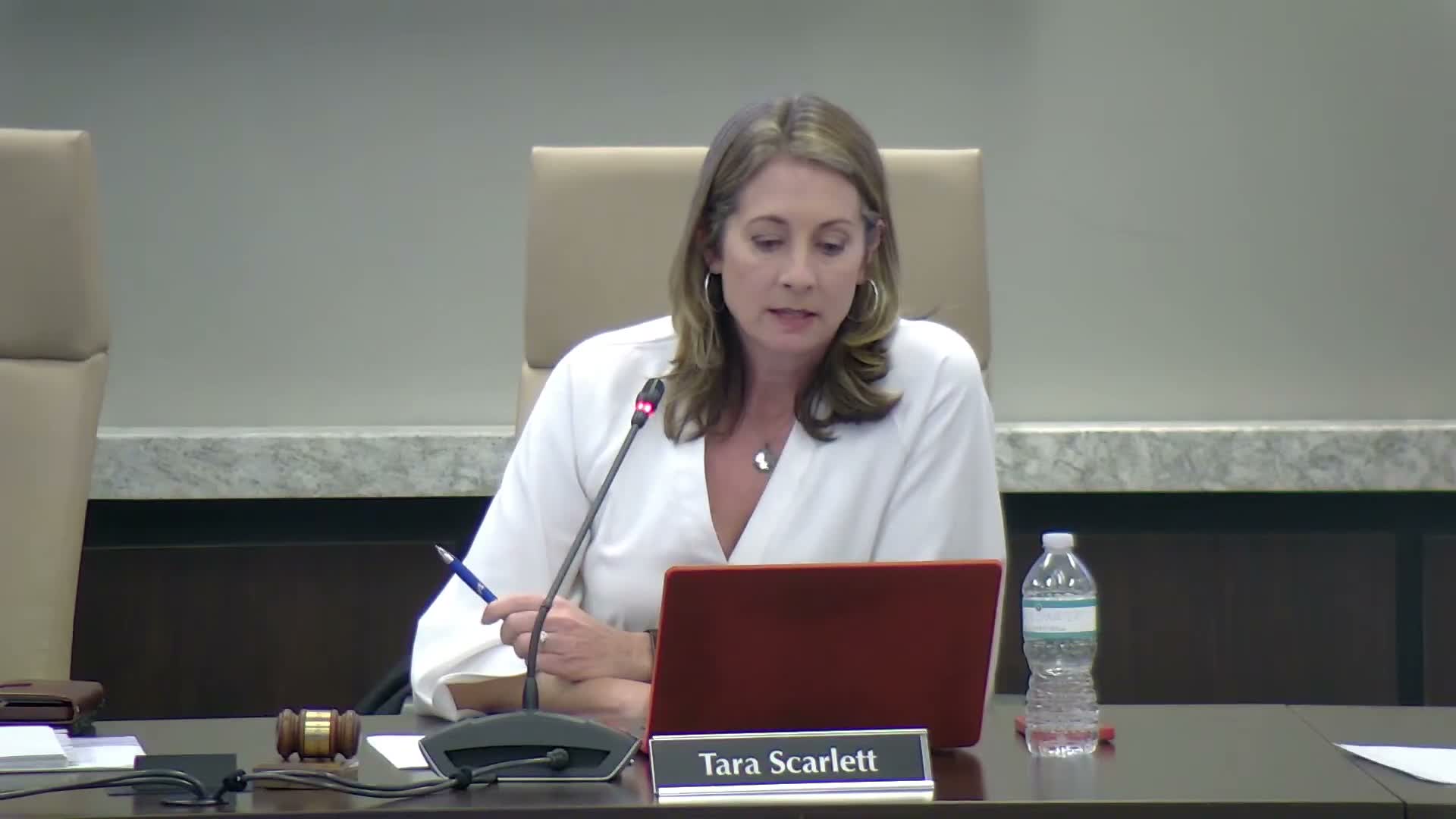
Dr. Steven Gentile, THEC executive staff, told commissioners the Tennessee Education Lottery Scholarship (TELS) portfolio may face a structural shortfall of about $141.5 million if conservative revenue projections hold.
"That is a negative $141,000,000 reduction in the portfolio," Gentile said while walking commissioners through the governor's budget table and the statutory mechanisms that would be used to address a deficit. He explained the process: projected net lottery proceeds are conservative, sports wagering construction funds may be redirected to cover deficits, a $10 million lottery reserve can be tapped, and a statutorily required $100 million general shortfall reserve may be drawn down and must be repaid in future years on a quarterly basis.
Paige Elliott, acting chief strategy officer, summarized how the portfolio is structured and which programs account for the bulk of spending. She said TELS includes 13 scholarship programs and highlighted growth in HOPE and dual‑enrollment grants: "Last year 169,412 students received $5,000,000 in aid from the Tennessee Education Lottery scholarship," Elliott said, and noted HOPE is the largest program by dollars.
Commissioners and staff debated options for narrowing the gap. Gentile described possible responses ranging from pro rata reductions across awards (statutory default) to targeted program changes and legislative proposals to alter portfolio composition. He noted that sports wagering revenues have been used historically to shore up the portfolio but that recent legislation redirected much of those funds to K–12 construction, with a deficit clause keeping a portion available if lottery proceeds fall short.
Commissioners emphasized that program interactions—students receiving multiple awards and the last‑dollar design of some programs—complicate any single lever. Nathan Jones and others urged attention to completion and placement outcomes when assessing program effectiveness, while staff noted ongoing and planned research (including student interviews and partnerships) to inform targeted recommendations.
Gentile said the commission will return with a more detailed report and recommendations later this year, and staff will convene presidents and legislative chairs to solicit input. The presentation did not produce a formal vote; it served as a public primer and staff planning direction for follow‑up analysis and possible proposals to the General Assembly.
"That is a negative $141,000,000 reduction in the portfolio," Gentile said while walking commissioners through the governor's budget table and the statutory mechanisms that would be used to address a deficit. He explained the process: projected net lottery proceeds are conservative, sports wagering construction funds may be redirected to cover deficits, a $10 million lottery reserve can be tapped, and a statutorily required $100 million general shortfall reserve may be drawn down and must be repaid in future years on a quarterly basis.
Paige Elliott, acting chief strategy officer, summarized how the portfolio is structured and which programs account for the bulk of spending. She said TELS includes 13 scholarship programs and highlighted growth in HOPE and dual‑enrollment grants: "Last year 169,412 students received $5,000,000 in aid from the Tennessee Education Lottery scholarship," Elliott said, and noted HOPE is the largest program by dollars.
Commissioners and staff debated options for narrowing the gap. Gentile described possible responses ranging from pro rata reductions across awards (statutory default) to targeted program changes and legislative proposals to alter portfolio composition. He noted that sports wagering revenues have been used historically to shore up the portfolio but that recent legislation redirected much of those funds to K–12 construction, with a deficit clause keeping a portion available if lottery proceeds fall short.
Commissioners emphasized that program interactions—students receiving multiple awards and the last‑dollar design of some programs—complicate any single lever. Nathan Jones and others urged attention to completion and placement outcomes when assessing program effectiveness, while staff noted ongoing and planned research (including student interviews and partnerships) to inform targeted recommendations.
Gentile said the commission will return with a more detailed report and recommendations later this year, and staff will convene presidents and legislative chairs to solicit input. The presentation did not produce a formal vote; it served as a public primer and staff planning direction for follow‑up analysis and possible proposals to the General Assembly.
View the Full Meeting & All Its Details
This article offers just a summary. Unlock complete video, transcripts, and insights as a Founder Member.
✓
Watch full, unedited meeting videos
✓
Search every word spoken in unlimited transcripts
✓
AI summaries & real-time alerts (all government levels)
✓
Permanent access to expanding government content
30-day money-back guarantee
