FDA officials highlight new "plausible mechanism" pathway and flexibilities for ultra‑rare therapies during Rare Disease Week
February 23, 2026 | Human Foods Program, Center for Food Safety and Applied Nutrition (CFSAN), Food and Drug Administration (FDA), Department of Health and Human Services (HHS), Executive, Federal
This article was created by AI summarizing key points discussed. AI makes mistakes, so for full details and context, please refer to the video of the full meeting. Please report any errors so we can fix them. Report an error »
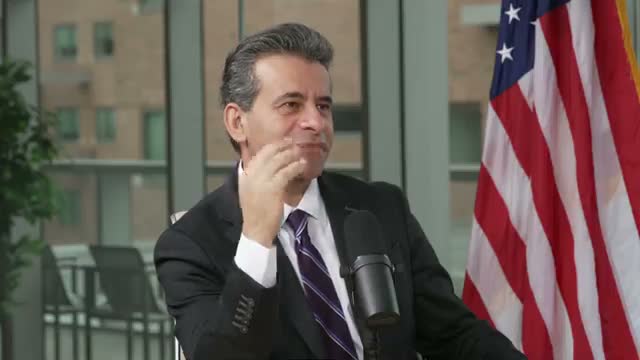
"We wanna see more baby KJ's, and we just need to keep listening to those who are proximate to the issue," Speaker 1 said, using the transcript's phrasing to describe the agency's focus on patients and pediatric dosing. The moderator also said the agency is allowing Bayesian statistical approaches in some manufacturing and dosing decisions to improve pediatric dosing and smaller‑population studies.
Speaker 3, the facilitator/interviewer in the transcript, framed the reforms as long‑sought by patient advocates and asked how the agency balances speed with safety. "Our mission here is protect the public health," Speaker 3 said, adding that innovation and speed are also vital.
Speaker 1 acknowledged that balance: regulators must avoid approving products that lack evidence of benefit while also finding ways to give patients timely access. As part of that work, Speaker 1 said the agency is making its letters to companies public to increase transparency about why a product was not approved and to create accountability in decisions.
The speakers also discussed existing access pathways. Speaker 1 said they support compassionate use, expanded access and Right to Try routes and told the audience they have signed every compassionate‑use authorization presented to the agency in this forum. "I've signed 100% of compassionate use authorizations that have come before the FDA," Speaker 1 said.
Speaker 1 placed the new pathway and other reforms within broader FDA priorities. "Number 1, more cures and meaningful treatments. Number 2, healthier food for kids," the moderator said, referencing ongoing agency work to link innovation with public health goals.
The town hall emphasized that many of the regulatory changes are intended to help small patient populations move therapies through the U.S. regulatory system more quickly, particularly where traditional large randomized trials are infeasible. The officials framed the reforms as incremental regulatory flexibilities rather than wholesale changes to approval standards.
What happens next: Speakers said the agency will continue to roll out policy details and engage with patients, families and developers. No formal regulatory text or rulemaking was announced during the conversation; the segment presented policy direction and examples of flexibilities the agency is exploring.
View the Full Meeting & All Its Details
This article offers just a summary. Unlock complete video, transcripts, and insights as a Founder Member.
30-day money-back guarantee
