FDA leader and rare‑disease family recount decades‑long transplant journey, living‑donor rescue and caregiver toll
February 23, 2026 | Human Foods Program, Center for Food Safety and Applied Nutrition (CFSAN), Food and Drug Administration (FDA), Department of Health and Human Services (HHS), Executive, Federal
This article was created by AI summarizing key points discussed. AI makes mistakes, so for full details and context, please refer to the video of the full meeting. Please report any errors so we can fix them. Report an error »
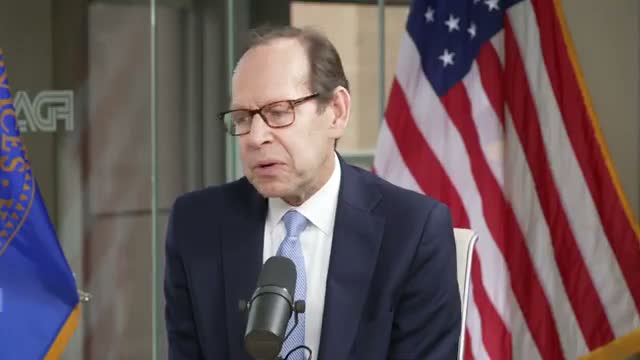
"You made it onto the transplant list. The bad news is your disease doesn't score well...most likely you're going to have to find a living donor," Speaker 2 recalled, summarizing clinicians' messages about scoring algorithms that can leave some patients reliant on living donors rather than deceased‑donor allocation.
He described living‑donor transplants as major operations — "a 10 to 12 hour surgery for both the donor and the recipient" — in which surgeons transplant about two‑thirds of the donor liver and rely on the organ's capacity to regenerate. He recounted near‑death episodes between transplants, including septic shock and hospital‑acquired infection, and experimental therapy received under compassionate‑use authority.
Speaker 2 also described the emotional and practical burden on caregivers. He estimated, as he said during the conversation, there are about 30,000,000 people with rare disease in the U.S. and cited caregiver estimates of 30 million to 50 million, emphasizing that individually rare conditions add up to a large affected population and long‑running caregiver commitments.
The most pointed personal anecdote concerned donor selection: Speaker 2 said his wife Gwen initially pursued donation but was ruled out for compatibility; their son Jeremy ultimately became a living donor to save a sibling, a choice the speaker described as a life‑altering family sacrifice.
Speaker 2 framed his personal experience as motivating later work on data‑driven care and engagement with the rare‑disease community at the FDA. The town hall closed with speakers thanking guests and encouraging ongoing engagement; no formal policy votes or commitments were made during the session.
View the Full Meeting & All Its Details
This article offers just a summary. Unlock complete video, transcripts, and insights as a Founder Member.
30-day money-back guarantee
