Committee advances bill to lower repeat-theft threshold from five to three prior incidents, supporters say
February 21, 2026 | Joint & Standing, Committees, Legislative, Wyoming
This article was created by AI summarizing key points discussed. AI makes mistakes, so for full details and context, please refer to the video of the full meeting. Please report any errors so we can fix them. Report an error »
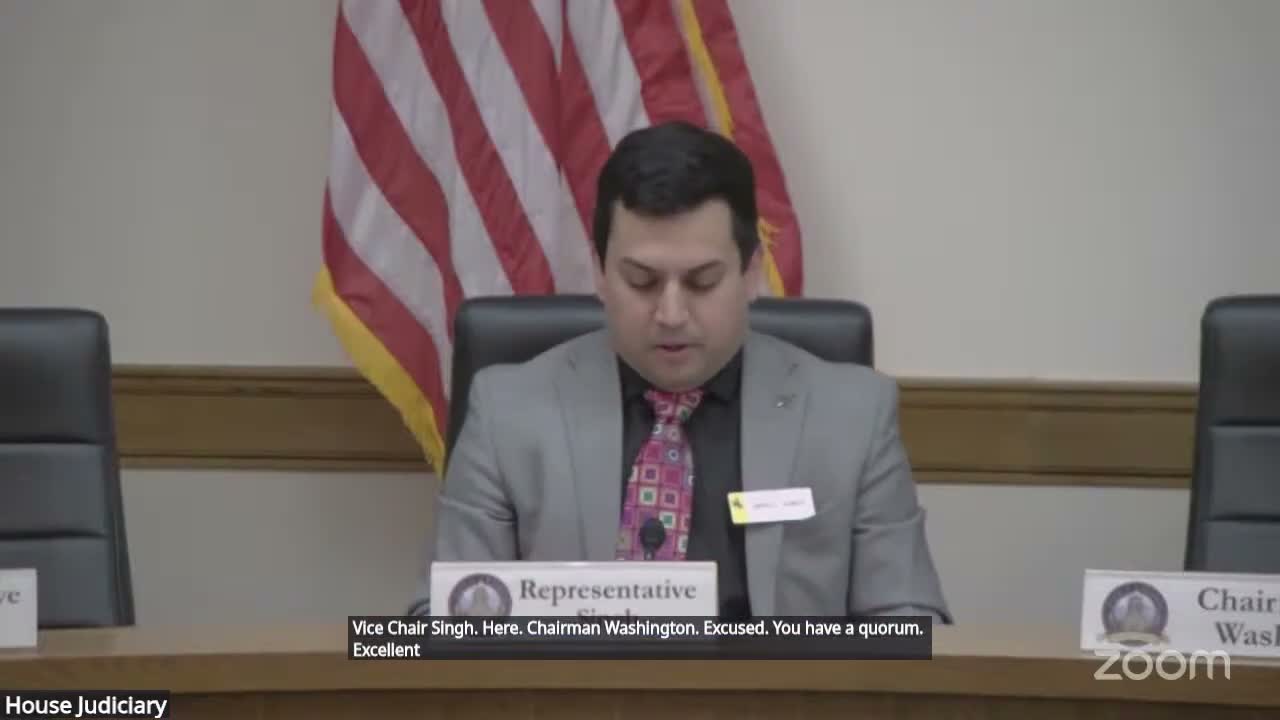
A joint committee voted to advance Senate File 7 after hearing multiple supporters say the measure would help deter organized retail theft by reducing the repeat-offense threshold from five prior incidents to three.
Supporters from the retail sector told the committee that losses from shoplifting and fuel theft are forcing some stores to close and that a lower threshold would give law enforcement and prosecutors a more useful deterrent. "Retail theft is a major issue for our retailers across the state, resulting in not only difficulty in business, but some closures," said Mike Moshe of the Wyoming State Liquor Association. He urged members to "please support this bill."
Dale Steenburgen, who identified himself as representing the Greater Cheyenne Chamber of Commerce and the Wyoming Retail Association, said the change is intended to "catch that habit as quickly as we can" and protect small-town merchants. Greg Bailey of Wyoming Field Marketers also supported the measure but warned that its success will hinge on prosecutors' ability and willingness to pursue charges, and on coordination across counties in cases of multi-jurisdiction thefts.
Opponents said the existing five-strike threshold is adequate. "I'm going to be a no on this bill only because I think the 5 strike law that we have in place is adequate," Representative Chestic said. Representative Webb raised a separate question about whether theft-detection or shielding-device fraud should be treated the same way as repeated retail-theft offenses.
The committee moved the bill to the floor (moved by Representative Veil; seconded by Representative Feiler) and then took a roll-call vote. The clerk recorded votes as: Representatives Brady, Bretton, Feiler, Lean, Singh, Webb and the presiding chair — "Aye"; Representative Chestic — "No"; Representative Kelly — excused. The committee reported the result as 7 ayes, 1 no, 1 excused.
The bill was described repeatedly as a first step, with members and witnesses suggesting additional legislation could follow to address related issues such as gas-theft or fraud involving shielding devices. The committee closed public comment before advancing the bill.
What happens next: Committee leaders assigned a floor sponsor for the bill to carry it to the full chamber.
Supporters from the retail sector told the committee that losses from shoplifting and fuel theft are forcing some stores to close and that a lower threshold would give law enforcement and prosecutors a more useful deterrent. "Retail theft is a major issue for our retailers across the state, resulting in not only difficulty in business, but some closures," said Mike Moshe of the Wyoming State Liquor Association. He urged members to "please support this bill."
Dale Steenburgen, who identified himself as representing the Greater Cheyenne Chamber of Commerce and the Wyoming Retail Association, said the change is intended to "catch that habit as quickly as we can" and protect small-town merchants. Greg Bailey of Wyoming Field Marketers also supported the measure but warned that its success will hinge on prosecutors' ability and willingness to pursue charges, and on coordination across counties in cases of multi-jurisdiction thefts.
Opponents said the existing five-strike threshold is adequate. "I'm going to be a no on this bill only because I think the 5 strike law that we have in place is adequate," Representative Chestic said. Representative Webb raised a separate question about whether theft-detection or shielding-device fraud should be treated the same way as repeated retail-theft offenses.
The committee moved the bill to the floor (moved by Representative Veil; seconded by Representative Feiler) and then took a roll-call vote. The clerk recorded votes as: Representatives Brady, Bretton, Feiler, Lean, Singh, Webb and the presiding chair — "Aye"; Representative Chestic — "No"; Representative Kelly — excused. The committee reported the result as 7 ayes, 1 no, 1 excused.
The bill was described repeatedly as a first step, with members and witnesses suggesting additional legislation could follow to address related issues such as gas-theft or fraud involving shielding devices. The committee closed public comment before advancing the bill.
What happens next: Committee leaders assigned a floor sponsor for the bill to carry it to the full chamber.
Don't Miss a Word: See the Full Meeting!
Go beyond summaries. Unlock every video, transcript, and key insight with a Founder Membership.
✓
Get instant access to full meeting videos
✓
Search and clip any phrase from complete transcripts
✓
Receive AI-powered summaries & custom alerts
✓
Enjoy lifetime, unrestricted access to government data
30-day money-back guarantee
