Leader Boyd moves to schedule two lists of bills for Feb. 25–26; Feb. 24 meeting canceled
February 23, 2026 | 2026 Legislature FL, Florida
This article was created by AI summarizing key points discussed. AI makes mistakes, so for full details and context, please refer to the video of the full meeting. Please report any errors so we can fix them. Report an error »
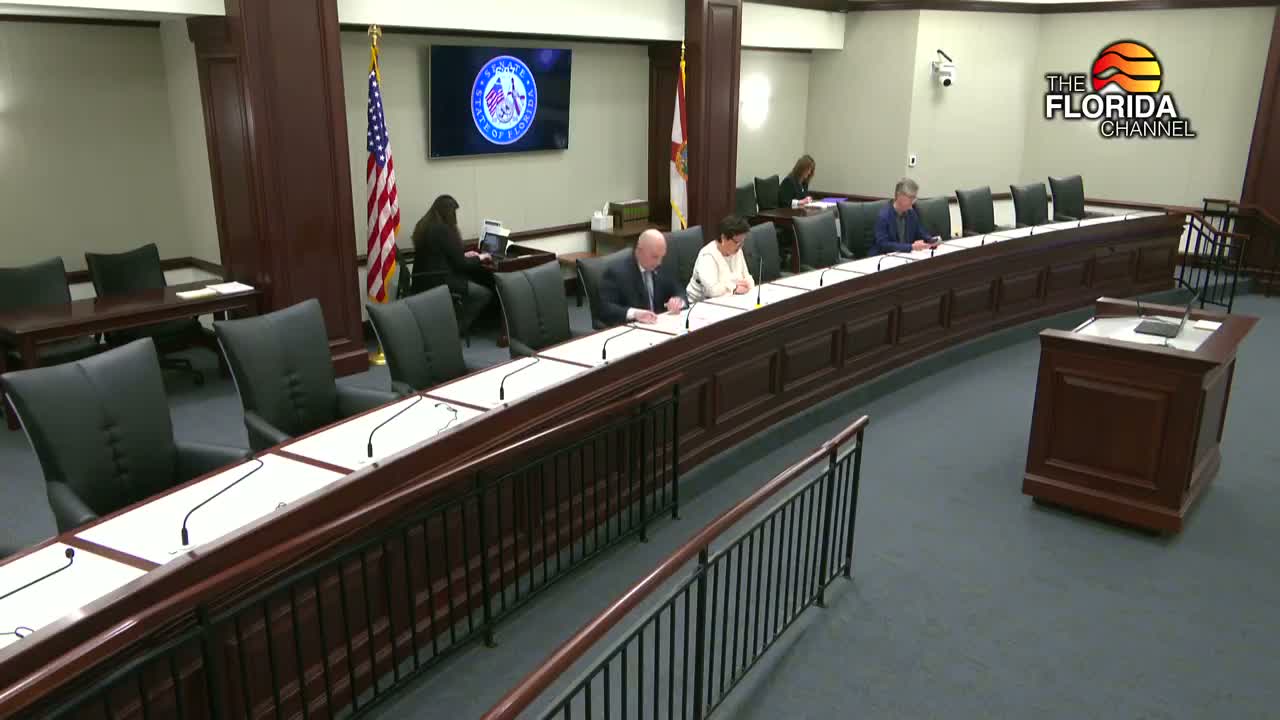
The Special Order Calendar Group opened its session with roll call and scheduling business. Leader Boyd moved that the first list of bills be placed on the special order calendar for Wednesday, Feb. 25, 2026, and that a second list be placed on the special order calendar for Thursday, Feb. 26, 2026.
The motion was met with an objection; an unidentified speaker said, "Objection." The presiding speaker then asked whether the motion should be adopted "without objection," but the transcript does not record a formal vote tally or the final disposition of Boyd’s scheduling motion.
Earlier in the session, Chair Pasadomoe and Leader Boyd answered roll call; Leader Berman was announced as excused. The group also announced that the special order calendar meeting scheduled for Feb. 24, 2026, was canceled. Leader Boyd then moved to adjourn, and the presiding speaker closed the meeting, saying, "Without objection, the meeting is adjourned."
Why it matters: placement on the special order calendar determines which bills are prioritized for floor consideration on the named dates and can affect how quickly measures proceed through the legislative schedule. This session recorded the scheduling motion and an objection but did not document a recorded vote on the motion in the transcript provided.
What’s next: The minutes or subsequent session records should confirm whether the scheduling motion was adopted and list the specific bills on the Feb. 25 and Feb. 26 special order calendars.
The motion was met with an objection; an unidentified speaker said, "Objection." The presiding speaker then asked whether the motion should be adopted "without objection," but the transcript does not record a formal vote tally or the final disposition of Boyd’s scheduling motion.
Earlier in the session, Chair Pasadomoe and Leader Boyd answered roll call; Leader Berman was announced as excused. The group also announced that the special order calendar meeting scheduled for Feb. 24, 2026, was canceled. Leader Boyd then moved to adjourn, and the presiding speaker closed the meeting, saying, "Without objection, the meeting is adjourned."
Why it matters: placement on the special order calendar determines which bills are prioritized for floor consideration on the named dates and can affect how quickly measures proceed through the legislative schedule. This session recorded the scheduling motion and an objection but did not document a recorded vote on the motion in the transcript provided.
What’s next: The minutes or subsequent session records should confirm whether the scheduling motion was adopted and list the specific bills on the Feb. 25 and Feb. 26 special order calendars.
Don't Miss a Word: See the Full Meeting!
Go beyond summaries. Unlock every video, transcript, and key insight with a Founder Membership.
✓
Get instant access to full meeting videos
✓
Search and clip any phrase from complete transcripts
✓
Receive AI-powered summaries & custom alerts
✓
Enjoy lifetime, unrestricted access to government data
30-day money-back guarantee
