Nebraska committee hears bill to add early literacy to well‑child Medicaid/CHIP visits
February 20, 2026 | 2026 Legislature NE, Nebraska
This article was created by AI summarizing key points discussed. AI makes mistakes, so for full details and context, please refer to the video of the full meeting. Please report any errors so we can fix them. Report an error »
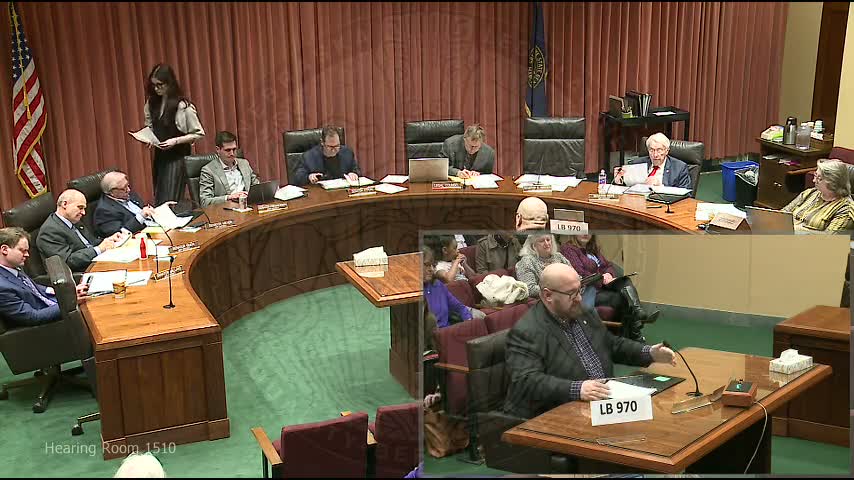
Senator Dureka introduced LB970 to direct the Department of Health and Human Services to seek a Medicaid state-plan amendment (with a sponsor amendment shifting funding to CHIP) that would add a short literacy-promotion component to EPSDT well‑child visits for children from birth through age 5.
Proponents described the Reach Out and Read model, in which clinicians bring an age-appropriate book into the well-child visit, use the book briefly as both a developmental probe and a caregiver-education tool, and provide the book for the family to keep. Kristen Christensen, Nebraska program manager for Reach Out and Read Midwest, said the program does not require clinicians to be reading teachers and that it currently partners with 41 clinics in Nebraska. Christensen cited results from North Carolina and Oklahoma where CHIP health‑service‑initiative dollars supported Reach Out and Read pilot efforts; she said North Carolina allocated just over $3 million in a similar effort and reported improvements in early reading-screening outcomes in subsequent years.
Teachers and early-literacy specialists testifying in favor said books in the home and daily reading are foundational to language development and kindergarten readiness, and that brief, clinic-based counseling can help caregivers adopt reading routines. Witnesses and the sponsor discussed an amendment to limit the program to CHIP populations to reduce the fiscal impact; proponents said implementation typically adds only a few minutes to a visit.
Neutral and public commenters flagged administrative details the committee should resolve, including language access for non‑English speakers and whether clinicians’ observations during visits could trigger other mandatory reports; one neutral witness urged careful operational planning so assessments reflect children's true abilities across languages and cultures.
The committee did not take a vote and concluded the LB970 hearing for the day.
Proponents described the Reach Out and Read model, in which clinicians bring an age-appropriate book into the well-child visit, use the book briefly as both a developmental probe and a caregiver-education tool, and provide the book for the family to keep. Kristen Christensen, Nebraska program manager for Reach Out and Read Midwest, said the program does not require clinicians to be reading teachers and that it currently partners with 41 clinics in Nebraska. Christensen cited results from North Carolina and Oklahoma where CHIP health‑service‑initiative dollars supported Reach Out and Read pilot efforts; she said North Carolina allocated just over $3 million in a similar effort and reported improvements in early reading-screening outcomes in subsequent years.
Teachers and early-literacy specialists testifying in favor said books in the home and daily reading are foundational to language development and kindergarten readiness, and that brief, clinic-based counseling can help caregivers adopt reading routines. Witnesses and the sponsor discussed an amendment to limit the program to CHIP populations to reduce the fiscal impact; proponents said implementation typically adds only a few minutes to a visit.
Neutral and public commenters flagged administrative details the committee should resolve, including language access for non‑English speakers and whether clinicians’ observations during visits could trigger other mandatory reports; one neutral witness urged careful operational planning so assessments reflect children's true abilities across languages and cultures.
The committee did not take a vote and concluded the LB970 hearing for the day.
View the Full Meeting & All Its Details
This article offers just a summary. Unlock complete video, transcripts, and insights as a Founder Member.
✓
Watch full, unedited meeting videos
✓
Search every word spoken in unlimited transcripts
✓
AI summaries & real-time alerts (all government levels)
✓
Permanent access to expanding government content
30-day money-back guarantee
