Vermont agriculture official outlines H‑2A housing inspections, warns bill could expand scope without funding
February 21, 2026 | Agriculture, Food Resiliency, & Forestry, HOUSE OF REPRESENTATIVES, Committees, Legislative , Vermont
This article was created by AI summarizing key points discussed. AI makes mistakes, so for full details and context, please refer to the video of the full meeting. Please report any errors so we can fix them. Report an error »
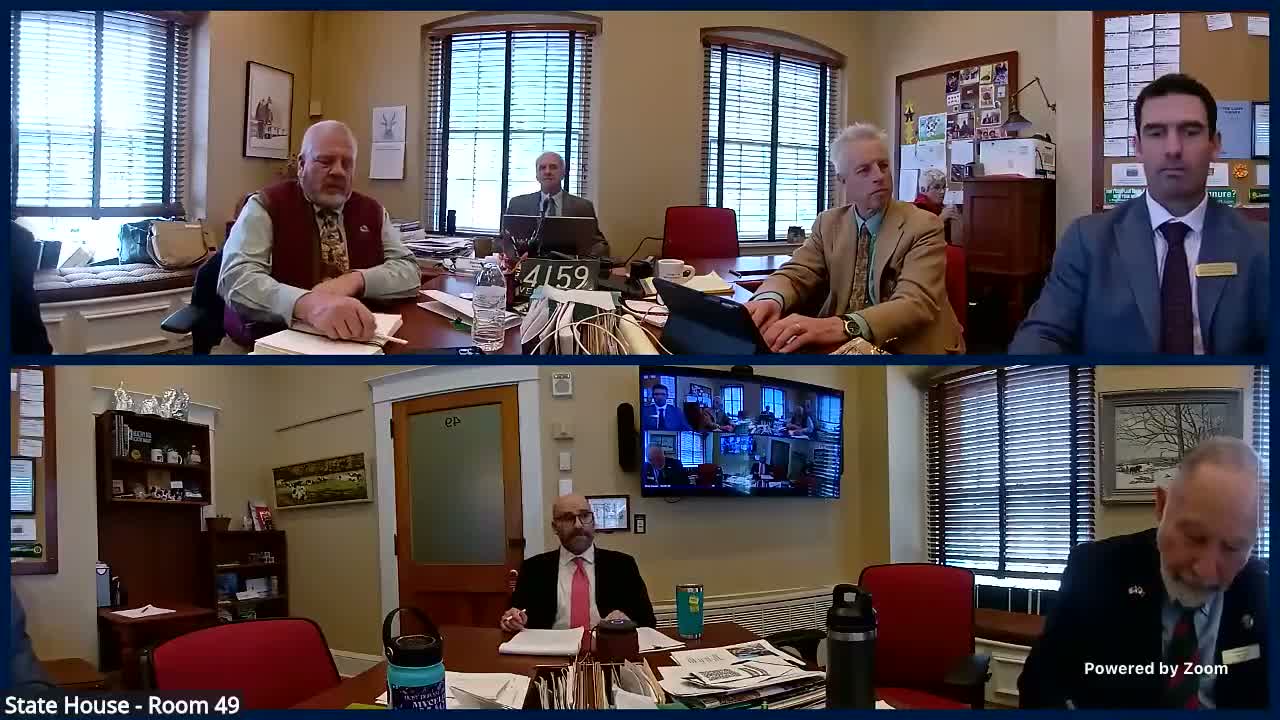
Dave Huber, deputy director of the Division of Plant Industry at the Vermont Agency of Agriculture, Food and Markets, told the House committee the agency conducts pre‑occupancy inspections of H‑2A farmworker housing under a two‑year memorandum of understanding with the Vermont Department of Labor.
“We don’t see any farmworkers. We see the farmer and we see the housing, and we verify that the housing is adequate to a checklist that were provided by the federal government,” Huber said, describing the agency’s role: inspections are triggered when an employer files an H‑2A job order in the federal FLAG system and Labor assigns addresses to the agency for inspection.
Huber gave recent inspection counts to illustrate current workload: “In 2024… he did 64 inspections. So that’s with 4 staff… In 2025, we conducted 77 inspections. And so far this year, we’ve completed 21 inspections.” He said those specialists add H‑2A work to existing field workloads and the agency typically tries to schedule inspections within 48 hours of receiving a job order.
Committee members pressed the practical limits of on‑farm inspections under the bill’s proposed language, which includes a provision that would have agency staff attempt to obtain worker survey responses while on site. Members and Huber noted inspectors frequently meet only the farm owner during a scheduled visit and that workers often are not present; obtaining worker interviews could therefore require calling workers off shifts or adding separate visits.
A committee member observed that H‑2A inspections are funded through federal Department of Labor pass‑through money and asked how expanded statutory obligations would be paid. Huber warned the draft contains no additional state funding for inspections and said his office has only four inspectors dedicated to this work.
On enforcement, Huber said the agency follows a checklist created in coordination with federal Labor and that Fire Safety remains the technical expert on building code and fire issues; the agency’s role is to apply the checklist and, where housing fails to meet checklist items, the farm’s ability to receive workers could be affected.
The committee scheduled follow‑up testimony by agency and Labor staff to discuss how the statutory section should be built and how surveys and inspections would be implemented.
Next steps: agency and Department of Labor staff are expected back next week to advise the committee on statutory drafting and operational questions.
“We don’t see any farmworkers. We see the farmer and we see the housing, and we verify that the housing is adequate to a checklist that were provided by the federal government,” Huber said, describing the agency’s role: inspections are triggered when an employer files an H‑2A job order in the federal FLAG system and Labor assigns addresses to the agency for inspection.
Huber gave recent inspection counts to illustrate current workload: “In 2024… he did 64 inspections. So that’s with 4 staff… In 2025, we conducted 77 inspections. And so far this year, we’ve completed 21 inspections.” He said those specialists add H‑2A work to existing field workloads and the agency typically tries to schedule inspections within 48 hours of receiving a job order.
Committee members pressed the practical limits of on‑farm inspections under the bill’s proposed language, which includes a provision that would have agency staff attempt to obtain worker survey responses while on site. Members and Huber noted inspectors frequently meet only the farm owner during a scheduled visit and that workers often are not present; obtaining worker interviews could therefore require calling workers off shifts or adding separate visits.
A committee member observed that H‑2A inspections are funded through federal Department of Labor pass‑through money and asked how expanded statutory obligations would be paid. Huber warned the draft contains no additional state funding for inspections and said his office has only four inspectors dedicated to this work.
On enforcement, Huber said the agency follows a checklist created in coordination with federal Labor and that Fire Safety remains the technical expert on building code and fire issues; the agency’s role is to apply the checklist and, where housing fails to meet checklist items, the farm’s ability to receive workers could be affected.
The committee scheduled follow‑up testimony by agency and Labor staff to discuss how the statutory section should be built and how surveys and inspections would be implemented.
Next steps: agency and Department of Labor staff are expected back next week to advise the committee on statutory drafting and operational questions.
Don't Miss a Word: See the Full Meeting!
Go beyond summaries. Unlock every video, transcript, and key insight with a Founder Membership.
✓
Get instant access to full meeting videos
✓
Search and clip any phrase from complete transcripts
✓
Receive AI-powered summaries & custom alerts
✓
Enjoy lifetime, unrestricted access to government data
30-day money-back guarantee
