Nantucket Board hears wastewater surveillance data on opioids and respiratory spikes; town dashboard released
February 20, 2026 | Nantucket County, Massachusetts
This article was created by AI summarizing key points discussed. AI makes mistakes, so for full details and context, please refer to the video of the full meeting. Please report any errors so we can fix them. Report an error »
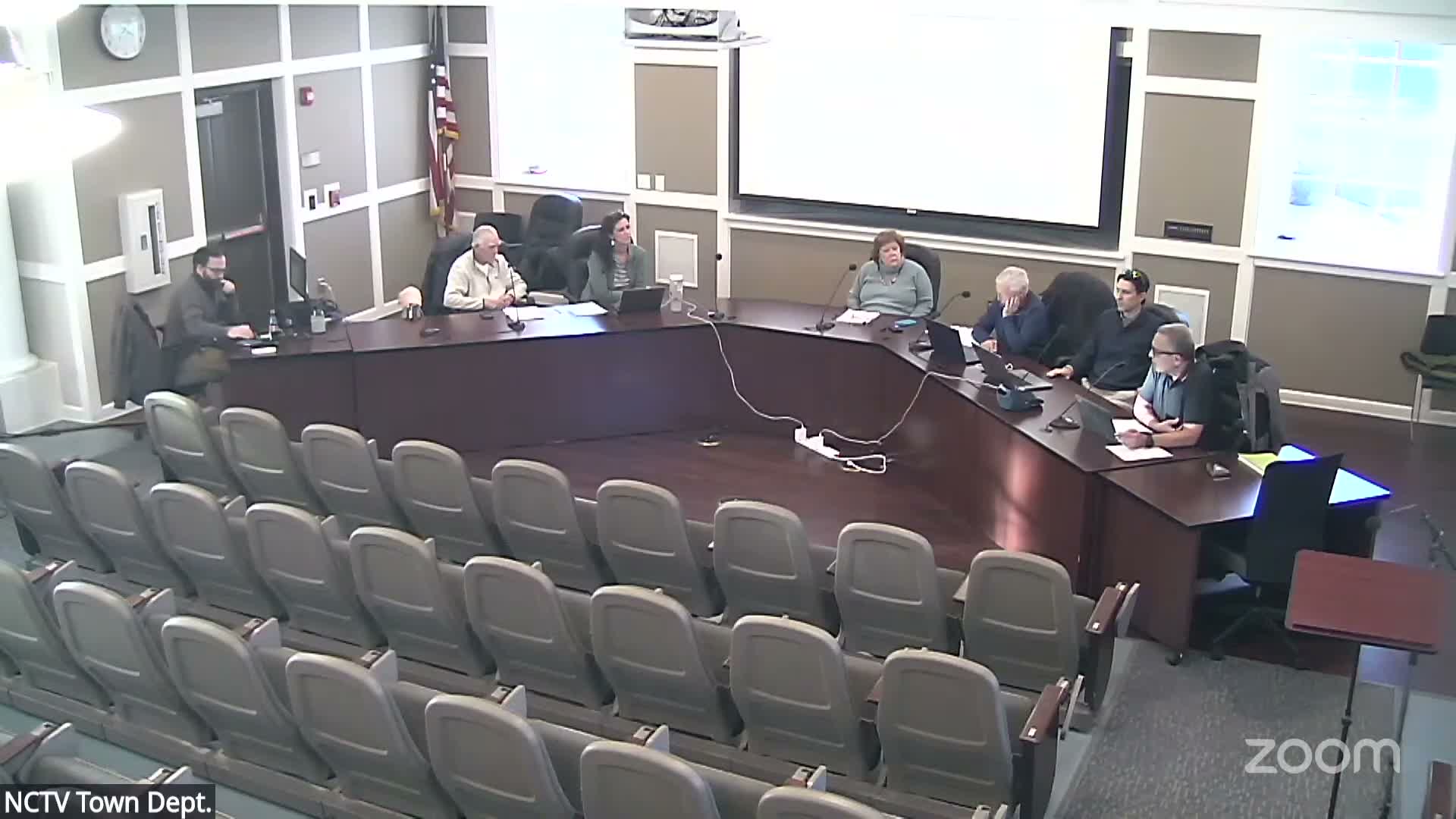
The Board of Health was briefed on a newly released wastewater surveillance dashboard the department launched to provide near‑real‑time information on high‑risk substances and respiratory illness. Rocky said the town has invested about $30,000 a year in the initiative and described the program as a tool for behavioral‑health partners and medical providers to identify trends and target interventions.
Rocky emphasized the program’s utility for early warning: he said wastewater spikes detected around Dec. 11 for influenza preceded anecdotal reports of increased flu in the community about a week later. On substance data, Rocky reported that from 2016 through 2023 the island recorded 19 drug overdose deaths and that the surveillance data will help local partners respond more quickly to emerging risks.
Board members and public attendees asked why cocaine markers appeared higher than regional averages and whether that might reflect dumping, metabolite differences when drugs are consumed with alcohol, or artifacts of sampling on a small island. Rocky explained the dataset is normalized to enable comparisons but that some signals require longer‑term trend monitoring. He added that the wastewater program provides near‑real‑time results (typically available 5–7 days after sampling) to allow partners to deploy interventions.
Next steps: staff will continue to publish the dashboard data for partners and the public and use it to inform behavioral‑health outreach and medical screening efforts.
Rocky emphasized the program’s utility for early warning: he said wastewater spikes detected around Dec. 11 for influenza preceded anecdotal reports of increased flu in the community about a week later. On substance data, Rocky reported that from 2016 through 2023 the island recorded 19 drug overdose deaths and that the surveillance data will help local partners respond more quickly to emerging risks.
Board members and public attendees asked why cocaine markers appeared higher than regional averages and whether that might reflect dumping, metabolite differences when drugs are consumed with alcohol, or artifacts of sampling on a small island. Rocky explained the dataset is normalized to enable comparisons but that some signals require longer‑term trend monitoring. He added that the wastewater program provides near‑real‑time results (typically available 5–7 days after sampling) to allow partners to deploy interventions.
Next steps: staff will continue to publish the dashboard data for partners and the public and use it to inform behavioral‑health outreach and medical screening efforts.
Don't Miss a Word: See the Full Meeting!
Go beyond summaries. Unlock every video, transcript, and key insight with a Founder Membership.
✓
Get instant access to full meeting videos
✓
Search and clip any phrase from complete transcripts
✓
Receive AI-powered summaries & custom alerts
✓
Enjoy lifetime, unrestricted access to government data
30-day money-back guarantee
