Committee pushes juvenile solitary‑confinement bill to 40 first day after intense debate
February 20, 2026 | 2026 Legislature SD, South Dakota
This article was created by AI summarizing key points discussed. AI makes mistakes, so for full details and context, please refer to the video of the full meeting. Please report any errors so we can fix them. Report an error »
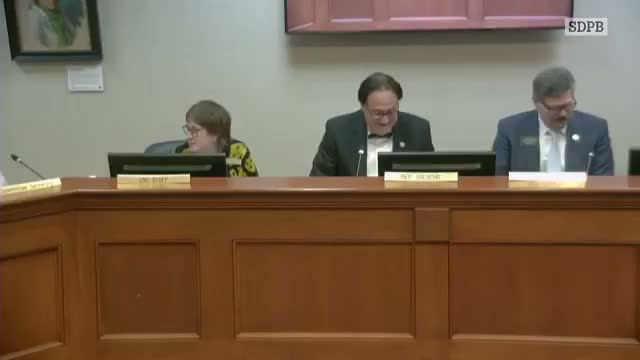
Representative Healy told the House Judiciary Committee HB 12-76a would set statewide limits and oversight for the use of solitary confinement in juvenile facilities, restrict its use to safety‑critical situations, require qualified mental‑health professional involvement, and prohibit use as punishment or administrative convenience.
Medical and mental‑health witnesses, including a pediatric intensivist and a child‑trauma psychologist, described research showing solitary confinement harms developing brains and increases suicide and self‑harm risks; a parent described her son’s prolonged confinement and the trauma it produced. The ACLU of South Dakota supported the bill as consistent with federal standards and existing models in other states.
Opponents — notably the South Dakota Sheriffs Association and administrators of juvenile detention centers — said the bill imposes unfunded mandates, could create staffing shortfalls and operational risks in small facilities, and might limit tools used to keep staff and other juveniles safe when a detainee is violent. Several facility directors said they already use separation policies and were not consulted sufficiently on the bill’s operational impacts.
Sponsor and supporters emphasized the average duration and cited instances of lengthy isolation; they said the bill’s amendment narrowed interdisciplinary team requirements to ease implementation. After extensive debate the committee moved HB 12-76a to the 40 first day to allow more stakeholder negotiation on definitions, timelines and funding.
Medical and mental‑health witnesses, including a pediatric intensivist and a child‑trauma psychologist, described research showing solitary confinement harms developing brains and increases suicide and self‑harm risks; a parent described her son’s prolonged confinement and the trauma it produced. The ACLU of South Dakota supported the bill as consistent with federal standards and existing models in other states.
Opponents — notably the South Dakota Sheriffs Association and administrators of juvenile detention centers — said the bill imposes unfunded mandates, could create staffing shortfalls and operational risks in small facilities, and might limit tools used to keep staff and other juveniles safe when a detainee is violent. Several facility directors said they already use separation policies and were not consulted sufficiently on the bill’s operational impacts.
Sponsor and supporters emphasized the average duration and cited instances of lengthy isolation; they said the bill’s amendment narrowed interdisciplinary team requirements to ease implementation. After extensive debate the committee moved HB 12-76a to the 40 first day to allow more stakeholder negotiation on definitions, timelines and funding.
Don't Miss a Word: See the Full Meeting!
Go beyond summaries. Unlock every video, transcript, and key insight with a Founder Membership.
✓
Get instant access to full meeting videos
✓
Search and clip any phrase from complete transcripts
✓
Receive AI-powered summaries & custom alerts
✓
Enjoy lifetime, unrestricted access to government data
30-day money-back guarantee
