Panel debates widening Good Samaritan protections and harm-reduction authorities in overdose bill
February 20, 2026 | Legislative Sessions, Washington
This article was created by AI summarizing key points discussed. AI makes mistakes, so for full details and context, please refer to the video of the full meeting. Please report any errors so we can fix them. Report an error »
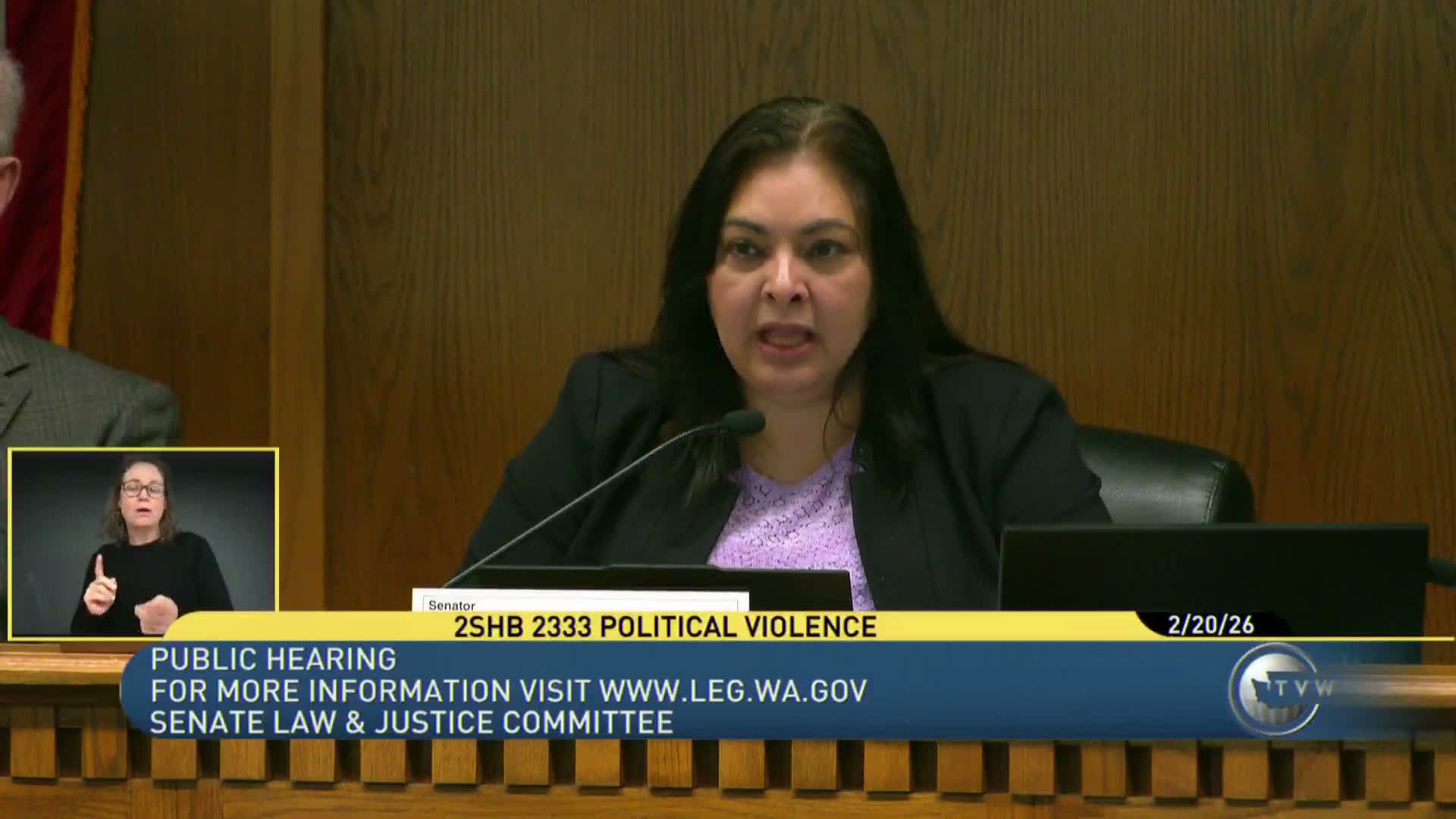
Lawmakers heard competing views Feb. 20 on Engrossed House Bill 15 74, which would broaden legal protections for people who seek medical help for overdoses and expand the entities authorized to distribute harm-reduction supplies.
Staff counsel Maya Aita explained the bill adds a prohibition on charging a person who sought medical assistance for an overdose, narrows when property can be civilly forfeited, creates exceptions to mandatory arrest in limited circumstances, and adds hospitals to entities exempted from paraphernalia-sale infractions when distributing supplies such as syringe equipment and drug testing kits.
Caleb Banta-Green (UW Medicine) urged adding protections for people who bring drug samples to community-based drug-checking services and said expanding access to drug testing in hospitals can improve public health and connect people to services. "These modest changes will go a long way to improving the health of our neighbors," he said.
Opponents including the Washington Association of Prosecuting Attorneys and law-enforcement representatives warned the bill is overly broad in some provisions, particularly a section that would limit arrests and a provision on civil forfeiture and protection orders; they urged narrowing immunity to simple possession and creating clear carve-outs for serious violent crimes, federal warrants and other circumstances.
Sponsor Representative Nicole Macri said the bill's goal is to keep people alive and to encourage 911 calls for overdoses, noting past committee changes and promising continued work on trade-offs.
The committee closed the hearing after conflicting testimony about the proper balance between life-saving protections and law-enforcement authority; no committee vote was taken that day.
Staff counsel Maya Aita explained the bill adds a prohibition on charging a person who sought medical assistance for an overdose, narrows when property can be civilly forfeited, creates exceptions to mandatory arrest in limited circumstances, and adds hospitals to entities exempted from paraphernalia-sale infractions when distributing supplies such as syringe equipment and drug testing kits.
Caleb Banta-Green (UW Medicine) urged adding protections for people who bring drug samples to community-based drug-checking services and said expanding access to drug testing in hospitals can improve public health and connect people to services. "These modest changes will go a long way to improving the health of our neighbors," he said.
Opponents including the Washington Association of Prosecuting Attorneys and law-enforcement representatives warned the bill is overly broad in some provisions, particularly a section that would limit arrests and a provision on civil forfeiture and protection orders; they urged narrowing immunity to simple possession and creating clear carve-outs for serious violent crimes, federal warrants and other circumstances.
Sponsor Representative Nicole Macri said the bill's goal is to keep people alive and to encourage 911 calls for overdoses, noting past committee changes and promising continued work on trade-offs.
The committee closed the hearing after conflicting testimony about the proper balance between life-saving protections and law-enforcement authority; no committee vote was taken that day.
View the Full Meeting & All Its Details
This article offers just a summary. Unlock complete video, transcripts, and insights as a Founder Member.
✓
Watch full, unedited meeting videos
✓
Search every word spoken in unlimited transcripts
✓
AI summaries & real-time alerts (all government levels)
✓
Permanent access to expanding government content
30-day money-back guarantee
