Committee adopts substitutes but ultimately holds HB 569 to allow more stakeholder work on SNAP restrictions
February 20, 2026 | 2026 Utah Legislature, Utah Legislature, Utah Legislative Branch, Utah
This article was created by AI summarizing key points discussed. AI makes mistakes, so for full details and context, please refer to the video of the full meeting. Please report any errors so we can fix them. Report an error »
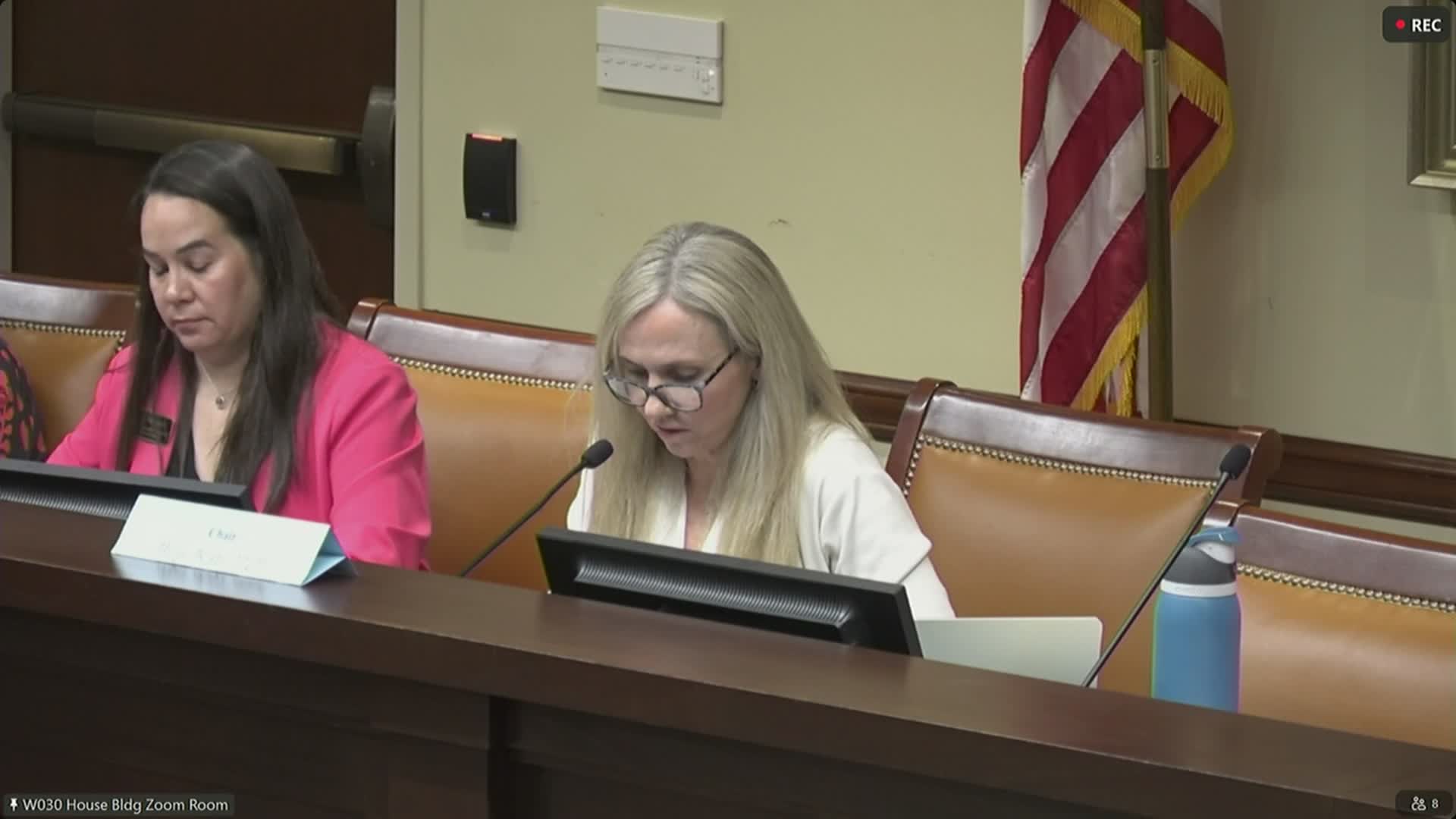
Representative Chevrier presented a substitute for House Bill 569 that would make Utah’s SNAP implementation contingent on a federal definition of "ultra‑processed foods" and give the Department of Workforce Services (DWS) rulemaking authority to implement that definition for SNAP. The sponsor said the substitute does not cut SNAP funding but would allow the state to prioritize healthier purchases if a federal definition is issued.
Committee members raised equity and practical concerns. Rep. Hollins warned that restricting purchases could stigmatize SNAP recipients and asked whether cashiers would determine eligibility at checkout; the sponsor said items would be coded and labeled in retailer systems, not decided by cashiers, and described existing education and incentives (for example, the "double your bucks" program) that aim to encourage produce purchases. Rep. Ward and others questioned whether relying on a federal definition creates regulatory volatility and how many products (SKUs) retailers would need to evaluate; retail representatives said implementation could involve hundreds of thousands of SKUs and require substantial DWS resources.
Public testimony split along policy and implementation lines. The Utah Retail Merchants Association (Dave Davis) and Utah Manufacturers Association (Josh Brown) urged more time to assess substitutions and the administrative burden; advocates such as Utahns Against Hunger (Neil Rickard) called the substitute an improvement over the original draft but warned that some common convenience staples used by seniors and people with disabilities could be excluded by a broad definition. Marianne Christiansen urged passage on public‑health grounds, saying manufacturers can and will adapt.
Procedural actions: the committee adopted the first substitute for HB 569 and later approved an amendment (sponsored by Representative Gracious) changing DWS’s rulemaking timeline from 3 months to 180 days. The committee initially voted to favorably recommend the substitute as amended, but following additional discussion and a substitute motion to hold the bill for more stakeholder work the committee voted to hold HB 569.
Next steps: HB 569 was held for further work; sponsors and advocates indicated a desire to use the interim to refine definitions, implementation timelines, and equity protections.
Committee members raised equity and practical concerns. Rep. Hollins warned that restricting purchases could stigmatize SNAP recipients and asked whether cashiers would determine eligibility at checkout; the sponsor said items would be coded and labeled in retailer systems, not decided by cashiers, and described existing education and incentives (for example, the "double your bucks" program) that aim to encourage produce purchases. Rep. Ward and others questioned whether relying on a federal definition creates regulatory volatility and how many products (SKUs) retailers would need to evaluate; retail representatives said implementation could involve hundreds of thousands of SKUs and require substantial DWS resources.
Public testimony split along policy and implementation lines. The Utah Retail Merchants Association (Dave Davis) and Utah Manufacturers Association (Josh Brown) urged more time to assess substitutions and the administrative burden; advocates such as Utahns Against Hunger (Neil Rickard) called the substitute an improvement over the original draft but warned that some common convenience staples used by seniors and people with disabilities could be excluded by a broad definition. Marianne Christiansen urged passage on public‑health grounds, saying manufacturers can and will adapt.
Procedural actions: the committee adopted the first substitute for HB 569 and later approved an amendment (sponsored by Representative Gracious) changing DWS’s rulemaking timeline from 3 months to 180 days. The committee initially voted to favorably recommend the substitute as amended, but following additional discussion and a substitute motion to hold the bill for more stakeholder work the committee voted to hold HB 569.
Next steps: HB 569 was held for further work; sponsors and advocates indicated a desire to use the interim to refine definitions, implementation timelines, and equity protections.
Don't Miss a Word: See the Full Meeting!
Go beyond summaries. Unlock every video, transcript, and key insight with a Founder Membership.
✓
Get instant access to full meeting videos
✓
Search and clip any phrase from complete transcripts
✓
Receive AI-powered summaries & custom alerts
✓
Enjoy lifetime, unrestricted access to government data
30-day money-back guarantee
