Utah House rejects bill to set area-standard wages on state construction projects
February 20, 2026 | 2026 Utah Legislature, Utah Legislature, Utah Legislative Branch, Utah
This article was created by AI summarizing key points discussed. AI makes mistakes, so for full details and context, please refer to the video of the full meeting. Please report any errors so we can fix them. Report an error »
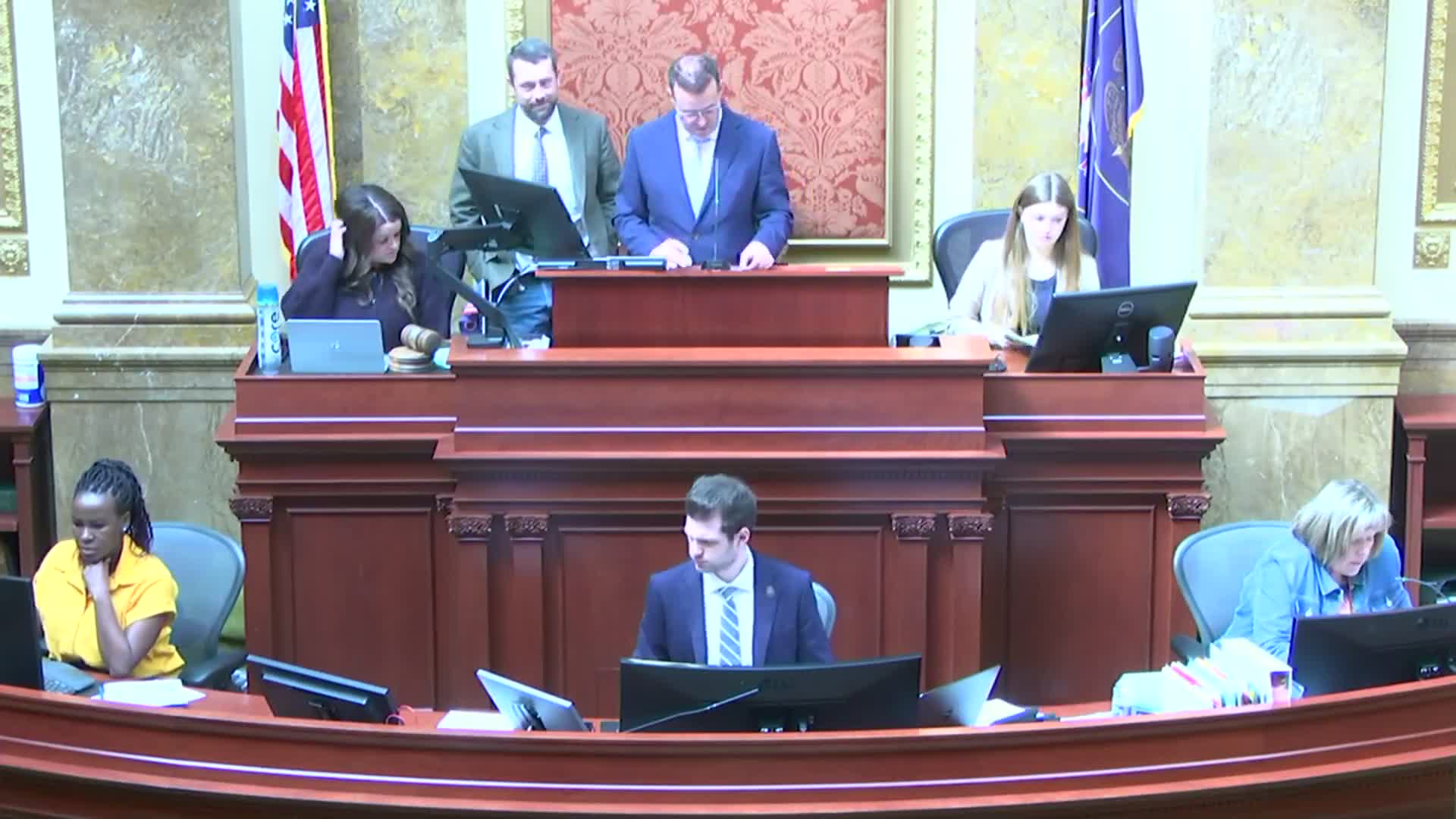
Representative Clancy urged passage of first substitute HB 245, the Construction Wage Standard Act, saying the bill would require state construction contracts to pay an "area standard wage" tied to local prevailing rates so the state does not undercut local workers. "HB 2 45 makes sure that when we, as the state of Utah, are investing in public infrastructure projects, that we're paying the area standard wage for the workers who are working on those projects," Clancy said on the House floor.
Supporters said the measure would prevent low-ball, out-of-state contractors from winning public bids and leaving the state to cover costs of rework and poor workmanship. Representative Dunnegan described a past project that he said was awarded to a low bidder and later required costly corrections, arguing the bill would protect taxpayers and workers.
Opponents, including Representative Kyle, called the proposal "classic interference in the free market" and warned it would increase construction costs and impose new regulatory burdens on smaller firms. "This creates unneeded bureaucracy ... and it will increase our costs to the state," Kyle said. Representative Thurston and others argued the wage rule could reshape which firms can compete and could lead to some firms being unable to bid at all.
The debate included technical discussion of how an "area standard wage" differs from minimum- or living-wage concepts and repeated concerns about administrative burden and unintended market effects. Supporters said reporting requirements had been pared back and that contractors and state agencies had been consulted.
After members called for the question, Representative Clancy gave a summation reiterating the bill's intent to protect local jobs and taxpayer investment. The House then voted on final passage: first substitute HB 245 failed, 25 yes to 46 no. The bill was not advanced further.
The House's vote ends consideration of HB 245 in this form; proponents framed the next steps as continued discussion on standards for state contracts while opponents said the vote preserved procurement flexibility.
Supporters said the measure would prevent low-ball, out-of-state contractors from winning public bids and leaving the state to cover costs of rework and poor workmanship. Representative Dunnegan described a past project that he said was awarded to a low bidder and later required costly corrections, arguing the bill would protect taxpayers and workers.
Opponents, including Representative Kyle, called the proposal "classic interference in the free market" and warned it would increase construction costs and impose new regulatory burdens on smaller firms. "This creates unneeded bureaucracy ... and it will increase our costs to the state," Kyle said. Representative Thurston and others argued the wage rule could reshape which firms can compete and could lead to some firms being unable to bid at all.
The debate included technical discussion of how an "area standard wage" differs from minimum- or living-wage concepts and repeated concerns about administrative burden and unintended market effects. Supporters said reporting requirements had been pared back and that contractors and state agencies had been consulted.
After members called for the question, Representative Clancy gave a summation reiterating the bill's intent to protect local jobs and taxpayer investment. The House then voted on final passage: first substitute HB 245 failed, 25 yes to 46 no. The bill was not advanced further.
The House's vote ends consideration of HB 245 in this form; proponents framed the next steps as continued discussion on standards for state contracts while opponents said the vote preserved procurement flexibility.
View the Full Meeting & All Its Details
This article offers just a summary. Unlock complete video, transcripts, and insights as a Founder Member.
✓
Watch full, unedited meeting videos
✓
Search every word spoken in unlimited transcripts
✓
AI summaries & real-time alerts (all government levels)
✓
Permanent access to expanding government content
30-day money-back guarantee
