House approves purchasing reserve fund that would hedge state purchases with gold
February 20, 2026 | 2026 Utah Legislature, Utah Legislature, Utah Legislative Branch, Utah
This article was created by AI summarizing key points discussed. AI makes mistakes, so for full details and context, please refer to the video of the full meeting. Please report any errors so we can fix them. Report an error »
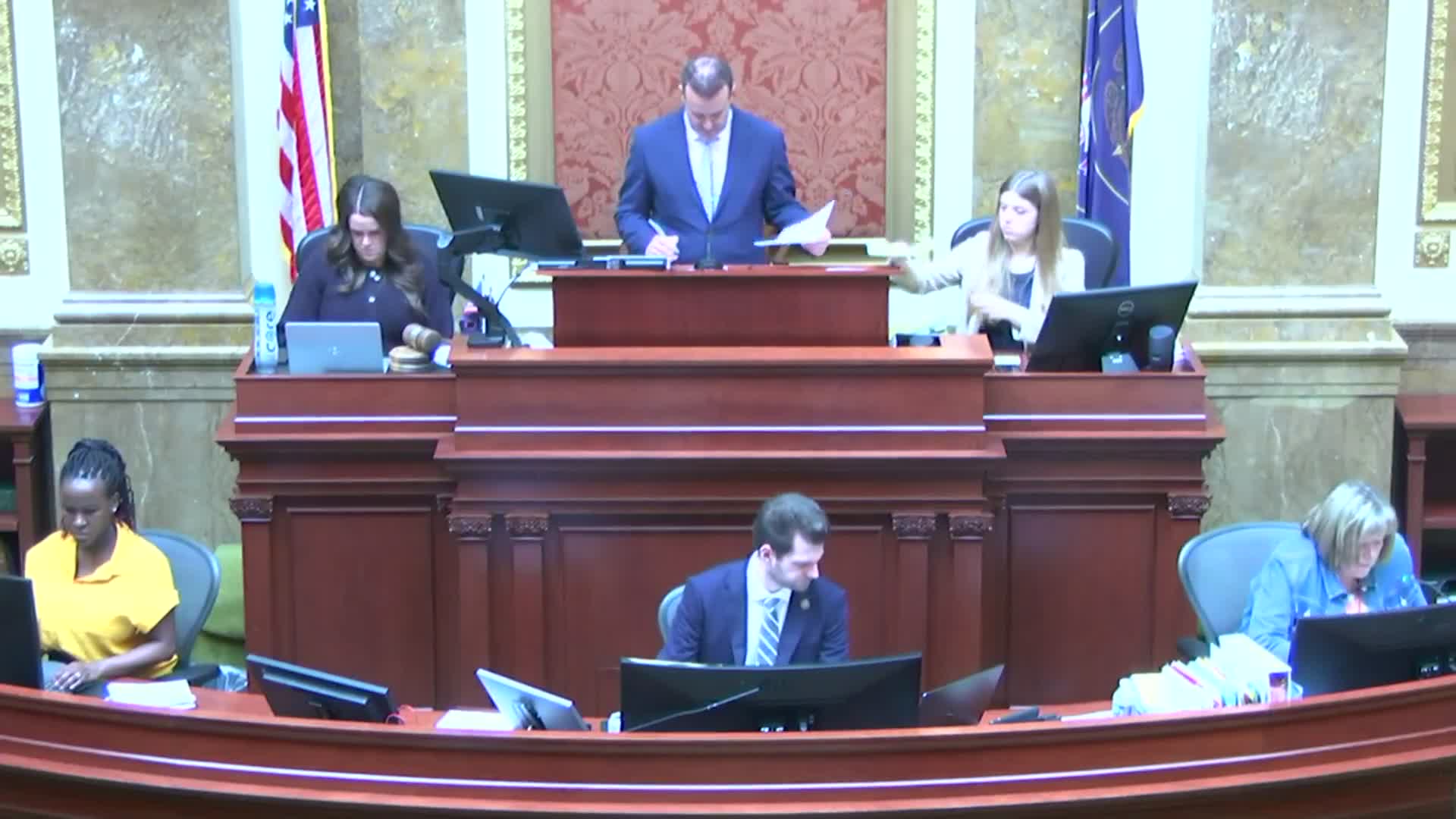
Representative Ivory sponsored first substitute HB 405, which would add a modest vendor fee (described in debate as three‑tenths of one percent on contracts) to create a restricted purchasing reserve invested, in part, in precious metals as a hedge against inflation. "This bill is about preparing for the dangers that we see coming in inflation," Ivory said, explaining the fund would be restricted for specific emergencies and turned over to the State Treasurer for management.
Opponents questioned whether the fee is effectively a tax and whether statute should mandate investment instruments. Representative Ward asked whether the fee pays solely for program administration or will be used more generally; Ivory said the intent is to preserve the state's ability to buy key goods and services during extreme market dislocations. Representative Thurston and Representative Walter warned that specifying a single investment vehicle like gold could limit the Treasurer's flexibility and expose the fund to commodity price risk.
Representative Ivory and supporters said they consulted investment managers and that the compounded annual growth rate of gold since 1971 suggests gold could serve as an effective hedge. The House voted to pass first substitute HB 405 by recorded tally, 42 yes to 23 no. The measure will be returned to the Senate for consideration.
The bill directs modest vendor fees into a restricted account intended to preserve purchasing power for specific emergency purchases. The statute, as debated, specifies that the fund be restricted and that the Treasurer would manage investments consistent with the bill's hedging objective; further rulemaking and oversight details will depend on implementing steps if the Senate concurs.
Opponents questioned whether the fee is effectively a tax and whether statute should mandate investment instruments. Representative Ward asked whether the fee pays solely for program administration or will be used more generally; Ivory said the intent is to preserve the state's ability to buy key goods and services during extreme market dislocations. Representative Thurston and Representative Walter warned that specifying a single investment vehicle like gold could limit the Treasurer's flexibility and expose the fund to commodity price risk.
Representative Ivory and supporters said they consulted investment managers and that the compounded annual growth rate of gold since 1971 suggests gold could serve as an effective hedge. The House voted to pass first substitute HB 405 by recorded tally, 42 yes to 23 no. The measure will be returned to the Senate for consideration.
The bill directs modest vendor fees into a restricted account intended to preserve purchasing power for specific emergency purchases. The statute, as debated, specifies that the fund be restricted and that the Treasurer would manage investments consistent with the bill's hedging objective; further rulemaking and oversight details will depend on implementing steps if the Senate concurs.
View the Full Meeting & All Its Details
This article offers just a summary. Unlock complete video, transcripts, and insights as a Founder Member.
✓
Watch full, unedited meeting videos
✓
Search every word spoken in unlimited transcripts
✓
AI summaries & real-time alerts (all government levels)
✓
Permanent access to expanding government content
30-day money-back guarantee
