House declines to change midterm vacancy process after heated debate
February 20, 2026 | 2026 Utah Legislature, Utah Legislature, Utah Legislative Branch, Utah
This article was created by AI summarizing key points discussed. AI makes mistakes, so for full details and context, please refer to the video of the full meeting. Please report any errors so we can fix them. Report an error »
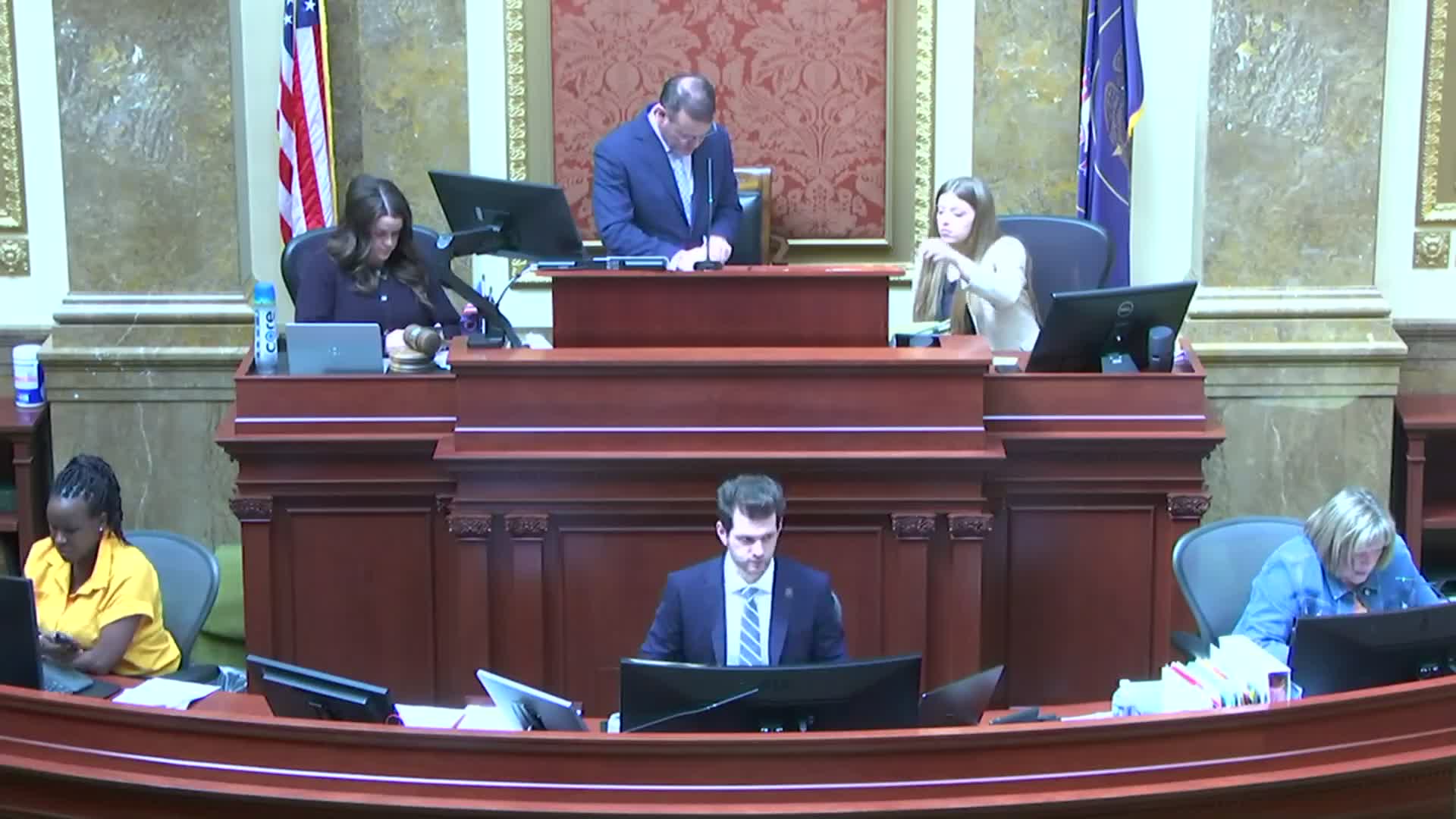
Representative Stoddard introduced first substitute HB 443, which would alter the process for filling legislative vacancies so that, when feasible, vacancies are filled through the next election cycle (often a municipal election) rather than automatically through party caucus appointment. "When someone is appointed, we go through the caucus convention system where delegates pick the replacement ... and that's a great process," Stoddard said, describing the substitute as a mechanism to ensure broader vetting when time permits.
The sponsor said the change would reduce the incumbency advantage for appointed replacements and increase voter input. Opponents, including Representative Peck, said the substitute risks leaving districts unrepresented between a resignation and the next election and argued the caucus and delegate systems preserve party choice and constitutional practice. Representative Wilcox and several others asked detailed procedural questions about interim scenarios and whether the change would apply across election types; the sponsor answered that the substitute applies only to legislative vacancies and that interim fills would remain in place until an election could be held in certain circumstances.
The substitute was initially adopted as a procedural matter in the House, but on final consideration the measure failed final passage, with 21 yes and 49 no. Lawmakers who opposed it cited concerns about turnout for municipal elections and the potential for strategic manipulation of vacancy timing. The bill will not advance from the floor in its current form.
The sponsor said the change would reduce the incumbency advantage for appointed replacements and increase voter input. Opponents, including Representative Peck, said the substitute risks leaving districts unrepresented between a resignation and the next election and argued the caucus and delegate systems preserve party choice and constitutional practice. Representative Wilcox and several others asked detailed procedural questions about interim scenarios and whether the change would apply across election types; the sponsor answered that the substitute applies only to legislative vacancies and that interim fills would remain in place until an election could be held in certain circumstances.
The substitute was initially adopted as a procedural matter in the House, but on final consideration the measure failed final passage, with 21 yes and 49 no. Lawmakers who opposed it cited concerns about turnout for municipal elections and the potential for strategic manipulation of vacancy timing. The bill will not advance from the floor in its current form.
View the Full Meeting & All Its Details
This article offers just a summary. Unlock complete video, transcripts, and insights as a Founder Member.
✓
Watch full, unedited meeting videos
✓
Search every word spoken in unlimited transcripts
✓
AI summaries & real-time alerts (all government levels)
✓
Permanent access to expanding government content
30-day money-back guarantee
