Committee Hears Opposition to Bill Cutting Running Start, Extending Bus Depreciation and Narrowing TTK Funding
February 19, 2026 | Legislative Sessions, Washington
This article was created by AI summarizing key points discussed. AI makes mistakes, so for full details and context, please refer to the video of the full meeting. Please report any errors so we can fix them. Report an error »
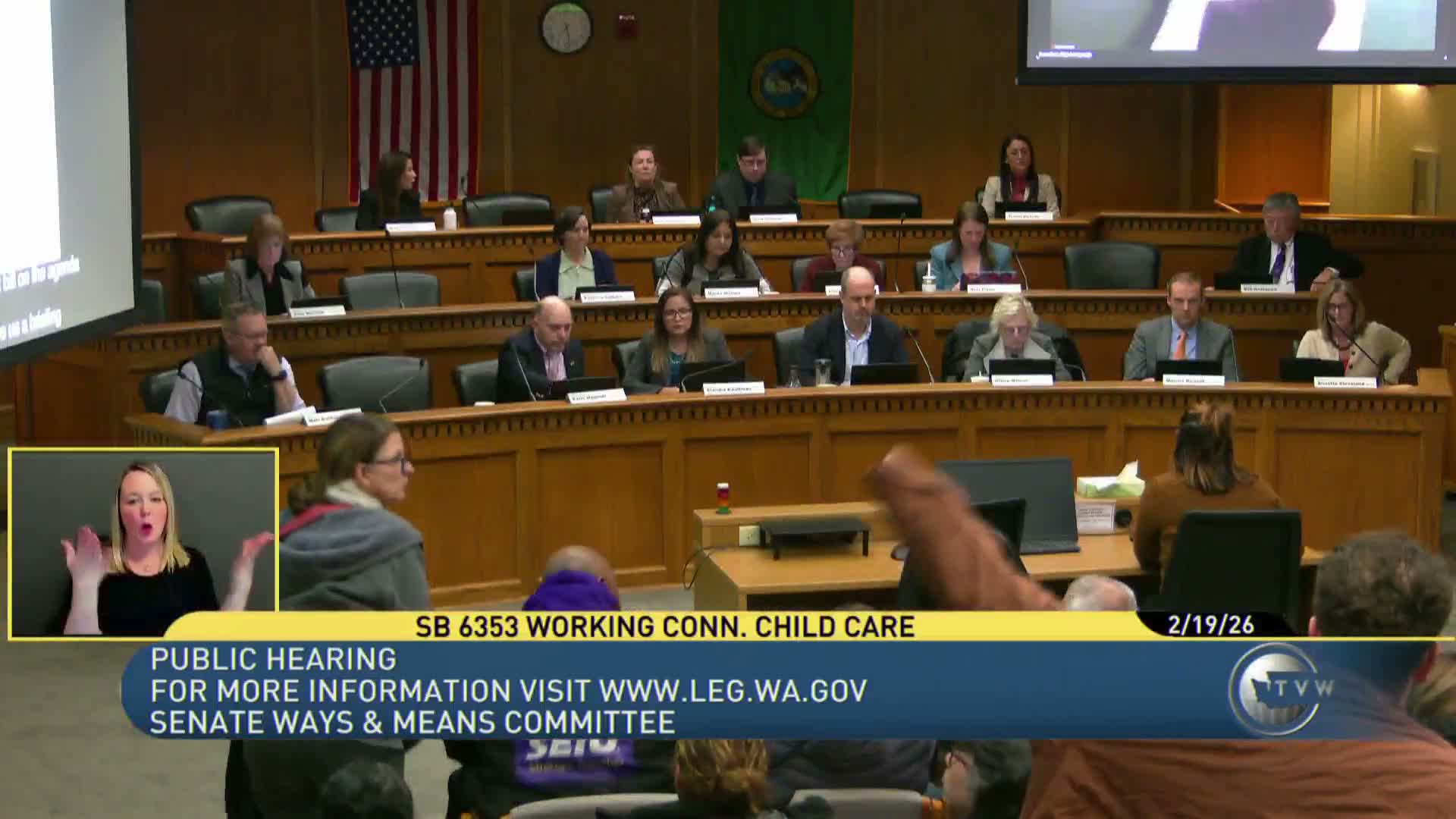
The committee received a substitute briefing on Senate Bill 6260, which proposes three major changes in K‑12 and postsecondary funding: extend the minimum anticipated lifetime used in bus depreciation schedules from 8/13 years to 15 years (reducing state depreciation reimbursements), lower the running start funded cap from 1.4 AA FTE to 1.2 (reducing available college credits for high‑school students and summer access), and constrain Transition to Kindergarten (TTK) state funding to students who qualify for free and reduced‑price meals while allowing districts to charge tuition for non‑state‑funded TTK slots.
College presidents, community‑college officials and students strongly opposed the running start change, saying summer running start growth since the 1.4 cap was adopted led to much higher participation among low‑income students and improved degree completion; witnesses said the rollback would hurt access and delay degrees. Transportation and school district witnesses opposed the bus depreciation extension, citing student safety and the environmental goal of getting older diesel buses off the road; districts warned that changing depreciation retroactively would create immediate budget shortfalls for buses already ordered.
For TTK, superintendents warned that narrowing state‑funded eligibility and allowing tuition for other slots will make programs unaffordable for many families who currently do not qualify for income‑based programs but still cannot afford private preschool. Committee staff gave rough savings estimates (e.g., ~$75 million in the 2025–27 biennium and ~$251 million over four years) and the committee collected extensive public testimony before adjourning for the evening.
College presidents, community‑college officials and students strongly opposed the running start change, saying summer running start growth since the 1.4 cap was adopted led to much higher participation among low‑income students and improved degree completion; witnesses said the rollback would hurt access and delay degrees. Transportation and school district witnesses opposed the bus depreciation extension, citing student safety and the environmental goal of getting older diesel buses off the road; districts warned that changing depreciation retroactively would create immediate budget shortfalls for buses already ordered.
For TTK, superintendents warned that narrowing state‑funded eligibility and allowing tuition for other slots will make programs unaffordable for many families who currently do not qualify for income‑based programs but still cannot afford private preschool. Committee staff gave rough savings estimates (e.g., ~$75 million in the 2025–27 biennium and ~$251 million over four years) and the committee collected extensive public testimony before adjourning for the evening.
Don't Miss a Word: See the Full Meeting!
Go beyond summaries. Unlock every video, transcript, and key insight with a Founder Membership.
✓
Get instant access to full meeting videos
✓
Search and clip any phrase from complete transcripts
✓
Receive AI-powered summaries & custom alerts
✓
Enjoy lifetime, unrestricted access to government data
30-day money-back guarantee
