San Bernardino council pauses decision on short‑term rental rules after lengthy public hearing
February 19, 2026 | San Bernardino, San Bernardino County, California
This article was created by AI summarizing key points discussed. AI makes mistakes, so for full details and context, please refer to the video of the full meeting. Please report any errors so we can fix them. Report an error »
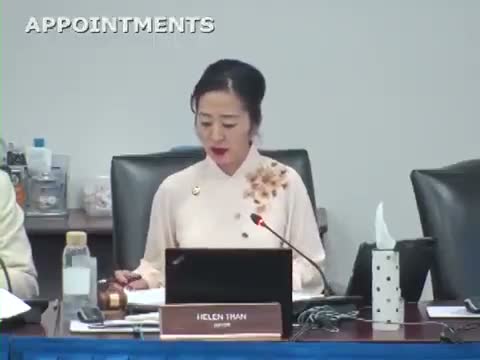
The San Bernardino City Council on Wednesday paused action on proposals to ban or regulate short‑term rentals, instead voting unanimously to continue the public hearing to the council’s second regular meeting in March.
City staff opened the discussion by outlining three options: an outright ban in residential zones, a regulatory program with registration and transient occupancy tax (TOT) collection, or no action. Staff described a two‑tier monitoring proposal from Deckard Technologies—an enforcement‑only package estimated at $7,500 annually or a higher‑service package including registration and TOT collection at about $16,500 annually—and said estimated TOT revenue under some scenarios could range from roughly $270,000 to $324,000.
During public comment, residents offered sharply different views. Some urged a hands‑off approach, saying short‑term rentals support visitors and generate spending; others described recurring noise, parking and trash problems and urged a ban or strict regulation. Councilmembers debated whether the city has the enforcement capacity—staff said there are approximately 20 code‑enforcement officers, who primarily operate daytime hours, while the police handle many nighttime noise calls.
Councilmember Ortiz proposed a five‑year moratorium; Councilmember Charette advocated for a ban based on neighborhood impacts; others favored a regulatory pilot. After back‑and‑forth about enforcement, vendor pricing and whether registration fees could deter repeat offenders, the council voted to continue the hearing to give members and the public time to review the proposed regulations, pricing and potential RFP options.
The move draws out the process but does not remove any of the options from consideration. Staff said if the council opts to regulate, the city will need to craft registration, fee and enforcement mechanisms — and potentially a dedicated code‑enforcement position — before final adoption. The hearing continuation was a procedural vote; no ordinance was adopted at the meeting.
The council’s next scheduled meeting is March 4, when the item will be revisited unless a different date is set for the public‑hearing continuation.
City staff opened the discussion by outlining three options: an outright ban in residential zones, a regulatory program with registration and transient occupancy tax (TOT) collection, or no action. Staff described a two‑tier monitoring proposal from Deckard Technologies—an enforcement‑only package estimated at $7,500 annually or a higher‑service package including registration and TOT collection at about $16,500 annually—and said estimated TOT revenue under some scenarios could range from roughly $270,000 to $324,000.
During public comment, residents offered sharply different views. Some urged a hands‑off approach, saying short‑term rentals support visitors and generate spending; others described recurring noise, parking and trash problems and urged a ban or strict regulation. Councilmembers debated whether the city has the enforcement capacity—staff said there are approximately 20 code‑enforcement officers, who primarily operate daytime hours, while the police handle many nighttime noise calls.
Councilmember Ortiz proposed a five‑year moratorium; Councilmember Charette advocated for a ban based on neighborhood impacts; others favored a regulatory pilot. After back‑and‑forth about enforcement, vendor pricing and whether registration fees could deter repeat offenders, the council voted to continue the hearing to give members and the public time to review the proposed regulations, pricing and potential RFP options.
The move draws out the process but does not remove any of the options from consideration. Staff said if the council opts to regulate, the city will need to craft registration, fee and enforcement mechanisms — and potentially a dedicated code‑enforcement position — before final adoption. The hearing continuation was a procedural vote; no ordinance was adopted at the meeting.
The council’s next scheduled meeting is March 4, when the item will be revisited unless a different date is set for the public‑hearing continuation.
View the Full Meeting & All Its Details
This article offers just a summary. Unlock complete video, transcripts, and insights as a Founder Member.
✓
Watch full, unedited meeting videos
✓
Search every word spoken in unlimited transcripts
✓
AI summaries & real-time alerts (all government levels)
✓
Permanent access to expanding government content
30-day money-back guarantee
