Columbia County explains preconstruction steps for road projects
February 19, 2026 | Columbia County, Georgia
This article was created by AI summarizing key points discussed. AI makes mistakes, so for full details and context, please refer to the video of the full meeting. Please report any errors so we can fix them. Report an error »
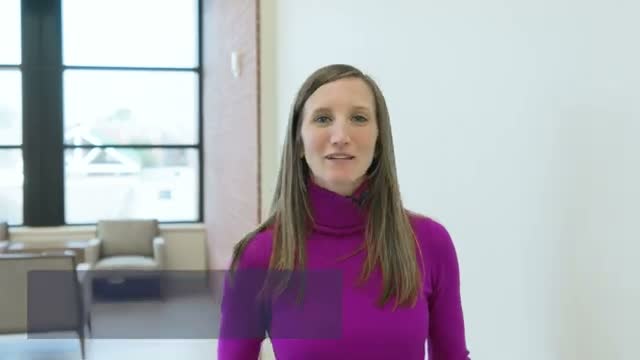
Columbia County’s preconstruction manager, Rich Wyatt, outlined how the county turns long-term road plans into buildable projects in a county-produced video interview.
“Preconstruction really is the idea of really converting a long term vision … and really converting that into, building it,” Wyatt said, describing the office’s role from identifying funding through handing plans over to the road construction team. He said the process typically begins by identifying funding sources and hiring an engineering firm to design the work alongside an in-house preconstruction engineer.
The county’s approach emphasizes early conflict identification, Wyatt said: having a preconstruction engineer and in-house specialists helps resolve design and alignment issues before crews reach the field. “He looks at a lot of those conflicts and the things that might be conflict points … and kind of works through those before they ever become major setbacks,” Wyatt said.
Wyatt described how right-of-way work is handled: county right-of-way specialists, who he said live in the county, may visit affected residents to negotiate purchases or easements. “We might be asking you to acquire some of the property that’s in front of your house so that we can expand the roadway,” Wyatt said, adding that appraisals and negotiations follow procedures the Georgia Department of Transportation asks county governments to follow.
After negotiations, Wyatt said staff take right-of-way matters to the Board of Commissioners for acquisition and recording in the courthouse, and the county’s roads and bridges crew aids with clearing acquired parcels before construction. He also highlighted recent in-house hires aimed at speeding work and saving money: a CAD technician who can make minor changes to plans without returning to consultants and a county engineer who can stamp plans. “Having that person in house for us is a huge cost saving measure,” Wyatt said.
Wyatt also described the county’s utility permitting process: a permitting manager and a site inspector coordinate with gas, power, cable and fiber companies to prevent conflicts with county water, sanitary and storm infrastructure as utilities are installed or updated in the right of way.
The video closed with Wyatt thanking his team and noting the challenges of property acquisition: “It’s not always the easiest thing to knock on someone's door and say, hey, we're building a road,” he said. Cassidy Harris, the county’s public relations director, closed the segment by thanking Wyatt for the overview.
The segment is informational and does not record any formal board vote or new policy: it explains the county’s existing preconstruction process and how staff, consultants and the Board of Commissioners interact to advance road and utility projects.
“Preconstruction really is the idea of really converting a long term vision … and really converting that into, building it,” Wyatt said, describing the office’s role from identifying funding through handing plans over to the road construction team. He said the process typically begins by identifying funding sources and hiring an engineering firm to design the work alongside an in-house preconstruction engineer.
The county’s approach emphasizes early conflict identification, Wyatt said: having a preconstruction engineer and in-house specialists helps resolve design and alignment issues before crews reach the field. “He looks at a lot of those conflicts and the things that might be conflict points … and kind of works through those before they ever become major setbacks,” Wyatt said.
Wyatt described how right-of-way work is handled: county right-of-way specialists, who he said live in the county, may visit affected residents to negotiate purchases or easements. “We might be asking you to acquire some of the property that’s in front of your house so that we can expand the roadway,” Wyatt said, adding that appraisals and negotiations follow procedures the Georgia Department of Transportation asks county governments to follow.
After negotiations, Wyatt said staff take right-of-way matters to the Board of Commissioners for acquisition and recording in the courthouse, and the county’s roads and bridges crew aids with clearing acquired parcels before construction. He also highlighted recent in-house hires aimed at speeding work and saving money: a CAD technician who can make minor changes to plans without returning to consultants and a county engineer who can stamp plans. “Having that person in house for us is a huge cost saving measure,” Wyatt said.
Wyatt also described the county’s utility permitting process: a permitting manager and a site inspector coordinate with gas, power, cable and fiber companies to prevent conflicts with county water, sanitary and storm infrastructure as utilities are installed or updated in the right of way.
The video closed with Wyatt thanking his team and noting the challenges of property acquisition: “It’s not always the easiest thing to knock on someone's door and say, hey, we're building a road,” he said. Cassidy Harris, the county’s public relations director, closed the segment by thanking Wyatt for the overview.
The segment is informational and does not record any formal board vote or new policy: it explains the county’s existing preconstruction process and how staff, consultants and the Board of Commissioners interact to advance road and utility projects.
View the Full Meeting & All Its Details
This article offers just a summary. Unlock complete video, transcripts, and insights as a Founder Member.
✓
Watch full, unedited meeting videos
✓
Search every word spoken in unlimited transcripts
✓
AI summaries & real-time alerts (all government levels)
✓
Permanent access to expanding government content
30-day money-back guarantee
