Maine hearing advances LD 7 85, a package to modernize the 1980 settlement act
February 19, 2026 | 2026 Legislature ME, Maine
This article was created by AI summarizing key points discussed. AI makes mistakes, so for full details and context, please refer to the video of the full meeting. Please report any errors so we can fix them. Report an error »
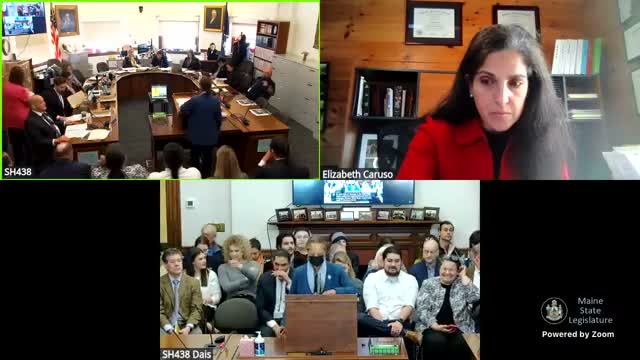
Senator Rachel Talbot Ross presented LD 7 85 as the legislative vehicle to enact 22 consensus recommendations from the 2019 task force that examined the Maine Indian Claims Settlement Act and its implementing legislation.
‘‘The purpose of LD 7 85 is to modernize the government‑to‑government relationship between Maine and the Wabanaki nations,’’ Talbot Ross told the Judiciary Committee, summarizing examples where the 1980 settlement structure had precluded tribal access to disaster relief, health‑care workforce flexibilities, and criminal‑jurisdiction pilots.
Tribal leaders — including Chief Kirk Francis (Penobscot Nation), Chief Clarissa Sabatas (Houlton Band of Maliseet Indians) and Chief William Nicholas (Passamaquoddy) — offered unified support for the bill. They described provisions that would restore regulatory authority over tribal lands and resources, protect tribal courts, clarify land‑acquisition processes, and restore sovereign immunities curtailed in past practice.
Chief Francis said the changes are meant to ‘‘bring parity’’ with other federally recognized tribes while preserving negotiated carve‑outs where the tribes and state remain concerned about overlapping jurisdiction. He described land‑trust and trust‑acquisition delays that impose property‑tax exposure and urged the Legislature to adopt workable remedies.
The governor’s office, through counsel Jerry Reed, told the committee it is exchanging actual legislative language with tribal counsel and the attorney general’s office and expects to present amendments at the committee work session. Reed said tax code changes and land‑acquisition language are priorities under active negotiation.
Support for the bill spanned many sectors: environmental‑conservation groups emphasized that restoring tribal authority over natural resources would advance conservation and water‑quality goals; economic development groups argued that parity would unlock federal grant funds and entrepreneurship on tribal lands; faith and civil‑rights organizations called passage a moral imperative. Youth and student witnesses emphasized long‑term social and cultural benefits.
A small number of municipal and industry witnesses — notably the Maine Forest Products Council and the Maine Municipal Association — raised practical concerns about potential jurisdictional seams, asking for clearer, evidence‑based processes so communities would not face conflicting regulatory regimes or unanticipated costs.
The committee closed the public hearing on LD 7 85 after broad testimony and signaled it will review negotiated language and consider amendments at a work session. No final committee vote occurred on the day of the hearing.
What’s next: Committee staff will circulate revised legislative text produced in negotiations between the governor’s office and tribal counsel; the Judiciary Committee expects a work session to consider amendments before reporting the bill.
‘‘The purpose of LD 7 85 is to modernize the government‑to‑government relationship between Maine and the Wabanaki nations,’’ Talbot Ross told the Judiciary Committee, summarizing examples where the 1980 settlement structure had precluded tribal access to disaster relief, health‑care workforce flexibilities, and criminal‑jurisdiction pilots.
Tribal leaders — including Chief Kirk Francis (Penobscot Nation), Chief Clarissa Sabatas (Houlton Band of Maliseet Indians) and Chief William Nicholas (Passamaquoddy) — offered unified support for the bill. They described provisions that would restore regulatory authority over tribal lands and resources, protect tribal courts, clarify land‑acquisition processes, and restore sovereign immunities curtailed in past practice.
Chief Francis said the changes are meant to ‘‘bring parity’’ with other federally recognized tribes while preserving negotiated carve‑outs where the tribes and state remain concerned about overlapping jurisdiction. He described land‑trust and trust‑acquisition delays that impose property‑tax exposure and urged the Legislature to adopt workable remedies.
The governor’s office, through counsel Jerry Reed, told the committee it is exchanging actual legislative language with tribal counsel and the attorney general’s office and expects to present amendments at the committee work session. Reed said tax code changes and land‑acquisition language are priorities under active negotiation.
Support for the bill spanned many sectors: environmental‑conservation groups emphasized that restoring tribal authority over natural resources would advance conservation and water‑quality goals; economic development groups argued that parity would unlock federal grant funds and entrepreneurship on tribal lands; faith and civil‑rights organizations called passage a moral imperative. Youth and student witnesses emphasized long‑term social and cultural benefits.
A small number of municipal and industry witnesses — notably the Maine Forest Products Council and the Maine Municipal Association — raised practical concerns about potential jurisdictional seams, asking for clearer, evidence‑based processes so communities would not face conflicting regulatory regimes or unanticipated costs.
The committee closed the public hearing on LD 7 85 after broad testimony and signaled it will review negotiated language and consider amendments at a work session. No final committee vote occurred on the day of the hearing.
What’s next: Committee staff will circulate revised legislative text produced in negotiations between the governor’s office and tribal counsel; the Judiciary Committee expects a work session to consider amendments before reporting the bill.
View the Full Meeting & All Its Details
This article offers just a summary. Unlock complete video, transcripts, and insights as a Founder Member.
✓
Watch full, unedited meeting videos
✓
Search every word spoken in unlimited transcripts
✓
AI summaries & real-time alerts (all government levels)
✓
Permanent access to expanding government content
30-day money-back guarantee
