Fullerton College president outlines dual-enrollment, esports pathway and drone bachelor�s to boost post-pandemic enrollment
November 09, 2025 | Anaheim Union High School District, School Districts, California
This article was created by AI summarizing key points discussed. AI makes mistakes, so for full details and context, please refer to the video of the full meeting. Please report any errors so we can fix them. Report an error »
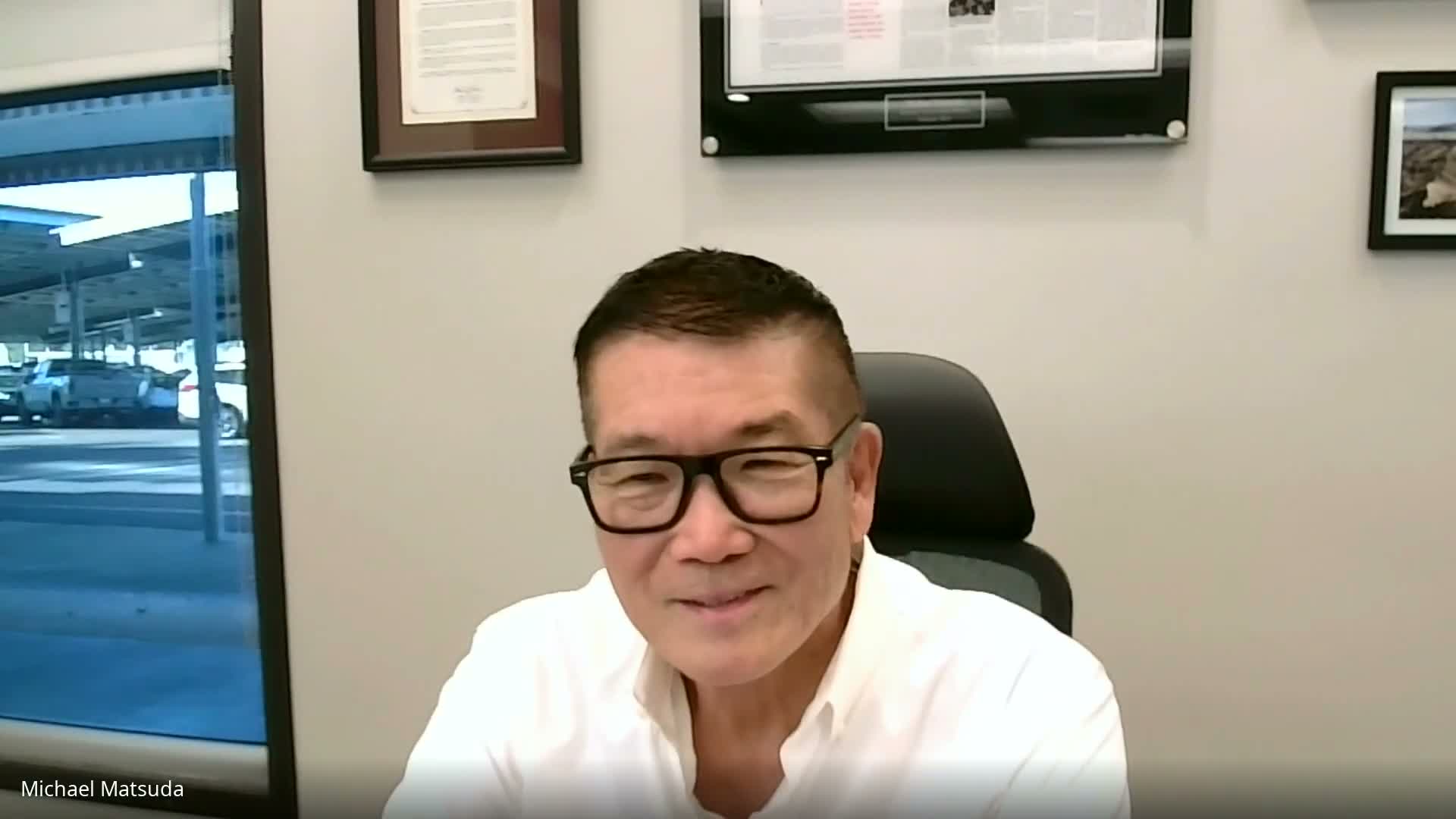
Cynthia Olivo, president of Fullerton College, said on the Future Talks podcast that the college is expanding career-focused programs and K12 partnerships to help restore post-pandemic enrollment and provide clear workforce pathways.
On the episode hosted by Superintendent Michael Matsuda, Olivo described how a new bachelors program in drone and autonomous systems — led by faculty member Jay Bridal — cleared college approvals and is expected to be offered in 2026. "In 2026, we'll be offering a bachelor degree program to our students," she said, framing the program as a niche degree not duplicated in the University of California or California State University systems.
The announcement sits alongside an effort to grow dual-enrollment offerings for North Orange County high school students. Olivo highlighted evidence from more mature programs in South Texas, where she said dual enrollment correlated with improved student outcomes and helped move students into living-wage jobs. She cautioned, however, that districts should align instruction and pedagogy to K12 learners rather than transplant college teaching wholesale: decisions about instructor selection and course design, she said, matter for student success.
To attract students who left college during the pandemic, Fullerton College and the Anaheim Union High School District announced a dual-enrollment esports and game-design pathway that Olivo called deliberately targeted at re-engaging young men of color. "We saw a decline after the pandemic," she said, and added that new pathways can help bring students back by connecting curriculum to careers that interest them. She noted a corporate partner, Extron, as part of the initiative and named Carlos Antunes as a recent faculty hire supporting the program.
Olivo placed the program expansions in a broader leadership frame informed by her life story. "I'm the granddaughter of camp campesinos, migrant farm workers," she said, and described education and mentors such as Sal Castro and Dr. Tom Rivera as formative influences. She emphasized authenticity as a leadership strength: "Our superpower in leadership is remaining authentic," she said, and urged leaders to build coalitions when advancing contentious or equity-focused policies.
On staffing, Olivo said hiring should emphasize candidatesdirect experience with the student populations the college serves. "What they need are educators that can help create relationships that are trusting in the classroom," she said, noting that relationship-building and pedagogy tailored to first-generation and Latino students are central to retention and success.
Matsuda and Olivo framed these changes as pragmatic responses to state-level emphasis on career pathways and institutional priorities to increase enrollment and economic mobility for students. The episode concluded with parting advice from Olivo to aspiring Latina leaders to remain authentic, seek mentorship and pursue professional development.
The podcast did not specify funding levels, implementation deadlines beyond the 2026 bachelors start year, or formal contract details with named partners; those items were not discussed on the episode.
On the episode hosted by Superintendent Michael Matsuda, Olivo described how a new bachelors program in drone and autonomous systems — led by faculty member Jay Bridal — cleared college approvals and is expected to be offered in 2026. "In 2026, we'll be offering a bachelor degree program to our students," she said, framing the program as a niche degree not duplicated in the University of California or California State University systems.
The announcement sits alongside an effort to grow dual-enrollment offerings for North Orange County high school students. Olivo highlighted evidence from more mature programs in South Texas, where she said dual enrollment correlated with improved student outcomes and helped move students into living-wage jobs. She cautioned, however, that districts should align instruction and pedagogy to K12 learners rather than transplant college teaching wholesale: decisions about instructor selection and course design, she said, matter for student success.
To attract students who left college during the pandemic, Fullerton College and the Anaheim Union High School District announced a dual-enrollment esports and game-design pathway that Olivo called deliberately targeted at re-engaging young men of color. "We saw a decline after the pandemic," she said, and added that new pathways can help bring students back by connecting curriculum to careers that interest them. She noted a corporate partner, Extron, as part of the initiative and named Carlos Antunes as a recent faculty hire supporting the program.
Olivo placed the program expansions in a broader leadership frame informed by her life story. "I'm the granddaughter of camp campesinos, migrant farm workers," she said, and described education and mentors such as Sal Castro and Dr. Tom Rivera as formative influences. She emphasized authenticity as a leadership strength: "Our superpower in leadership is remaining authentic," she said, and urged leaders to build coalitions when advancing contentious or equity-focused policies.
On staffing, Olivo said hiring should emphasize candidatesdirect experience with the student populations the college serves. "What they need are educators that can help create relationships that are trusting in the classroom," she said, noting that relationship-building and pedagogy tailored to first-generation and Latino students are central to retention and success.
Matsuda and Olivo framed these changes as pragmatic responses to state-level emphasis on career pathways and institutional priorities to increase enrollment and economic mobility for students. The episode concluded with parting advice from Olivo to aspiring Latina leaders to remain authentic, seek mentorship and pursue professional development.
The podcast did not specify funding levels, implementation deadlines beyond the 2026 bachelors start year, or formal contract details with named partners; those items were not discussed on the episode.
Don't Miss a Word: See the Full Meeting!
Go beyond summaries. Unlock every video, transcript, and key insight with a Founder Membership.
✓
Get instant access to full meeting videos
✓
Search and clip any phrase from complete transcripts
✓
Receive AI-powered summaries & custom alerts
✓
Enjoy lifetime, unrestricted access to government data
30-day money-back guarantee
