River Road African American Museum highlights local history, calls to save True Friends Hall
February 18, 2026 | Ascension Parish, Louisiana
This article was created by AI summarizing key points discussed. AI makes mistakes, so for full details and context, please refer to the video of the full meeting. Please report any errors so we can fix them. Report an error »
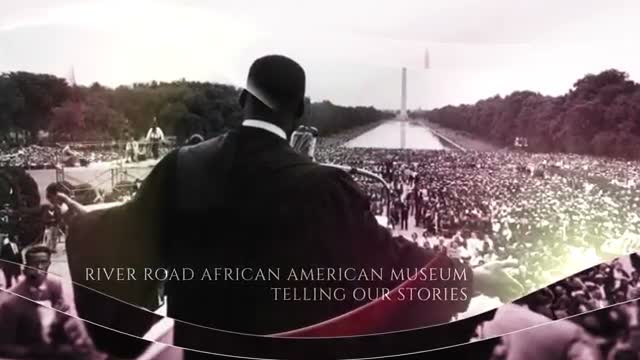
The River Road African American Museum in Donaldsonville, Ascension Parish, showcased its work documenting local Black history and urged preservation of a neighborhood landmark during a community program, speakers said.
The museum began in 1994 after funeral directors Kathy and Daryl Hambrick started collecting oral histories, Speaker 2 said, growing from a single obituary into an organization now housed across five buildings. "We took this history that most people thought was nothing, and we brought it to the forefront," Speaker 1 said, describing the museum’s effort to make local stories visible.
The program foregrounded a recent exhibit referred to as the G U 272, which "tells the story of 272 enslaved individuals being sold by the Jesuit, priest of Georgetown University" to Louisiana in the 1830s, Speaker 1 said, naming Henry Johnson as the Louisiana buyer and citing a documentary valuation of about $116,000 at that time. The museum has compiled names, ages and genealogy where possible and displays those details in stained-glass panels commissioned from resident artist Malaika Favorite, Speaker 1 said. "You can see the names, in the water," Speaker 1 said of the panels.
Speakers described how the museum presents both the hardships of plantation life and the resilience and cultural achievements that followed. Speaker 1 pointed to African symbols embedded in the church’s windows and artwork by Linda Baltus titled "The Keeper," whose wings are made of sugarcane and which the speaker said represents spiritual rescue and preservation of memory.
The event took place at the True Friends Benevolent Society Hall on Lessard Street in Donaldsonville. Speaker 3 outlined the historical role of benevolent societies—pooling resources for burial and health care when African Americans were excluded from services during segregation. Several community members recalled the hall as a cultural hub: Speaker 4 and others described local bands backing touring acts and weekend dances; Gerald Washington (Speaker 7) said, "This is my spot right here," and urged restoration so future generations can experience the site.
Program participants framed restoration as both a physical and cultural necessity. "We need a renaissance," Speaker 3 said, arguing the hall should be saved and repurposed to sustain musical and cultural traditions for young people. The program concluded with speakers emphasizing the museum’s educational role and the need for community stewardship of local history.
No formal vote or funding decision was recorded in the program itself; speakers made public appeals and recounted historical research and personal memories. The museum’s exhibits and community advocates provide the basis for any future preservation efforts.
The museum began in 1994 after funeral directors Kathy and Daryl Hambrick started collecting oral histories, Speaker 2 said, growing from a single obituary into an organization now housed across five buildings. "We took this history that most people thought was nothing, and we brought it to the forefront," Speaker 1 said, describing the museum’s effort to make local stories visible.
The program foregrounded a recent exhibit referred to as the G U 272, which "tells the story of 272 enslaved individuals being sold by the Jesuit, priest of Georgetown University" to Louisiana in the 1830s, Speaker 1 said, naming Henry Johnson as the Louisiana buyer and citing a documentary valuation of about $116,000 at that time. The museum has compiled names, ages and genealogy where possible and displays those details in stained-glass panels commissioned from resident artist Malaika Favorite, Speaker 1 said. "You can see the names, in the water," Speaker 1 said of the panels.
Speakers described how the museum presents both the hardships of plantation life and the resilience and cultural achievements that followed. Speaker 1 pointed to African symbols embedded in the church’s windows and artwork by Linda Baltus titled "The Keeper," whose wings are made of sugarcane and which the speaker said represents spiritual rescue and preservation of memory.
The event took place at the True Friends Benevolent Society Hall on Lessard Street in Donaldsonville. Speaker 3 outlined the historical role of benevolent societies—pooling resources for burial and health care when African Americans were excluded from services during segregation. Several community members recalled the hall as a cultural hub: Speaker 4 and others described local bands backing touring acts and weekend dances; Gerald Washington (Speaker 7) said, "This is my spot right here," and urged restoration so future generations can experience the site.
Program participants framed restoration as both a physical and cultural necessity. "We need a renaissance," Speaker 3 said, arguing the hall should be saved and repurposed to sustain musical and cultural traditions for young people. The program concluded with speakers emphasizing the museum’s educational role and the need for community stewardship of local history.
No formal vote or funding decision was recorded in the program itself; speakers made public appeals and recounted historical research and personal memories. The museum’s exhibits and community advocates provide the basis for any future preservation efforts.
Don't Miss a Word: See the Full Meeting!
Go beyond summaries. Unlock every video, transcript, and key insight with a Founder Membership.
✓
Get instant access to full meeting videos
✓
Search and clip any phrase from complete transcripts
✓
Receive AI-powered summaries & custom alerts
✓
Enjoy lifetime, unrestricted access to government data
30-day money-back guarantee
