Face Addiction Now reports 894 naloxone doses and 28 confirmed overdose reversals in FY25
February 18, 2026 | Mount Clemens, Macomb County, Michigan
This article was created by AI summarizing key points discussed. AI makes mistakes, so for full details and context, please refer to the video of the full meeting. Please report any errors so we can fix them. Report an error »
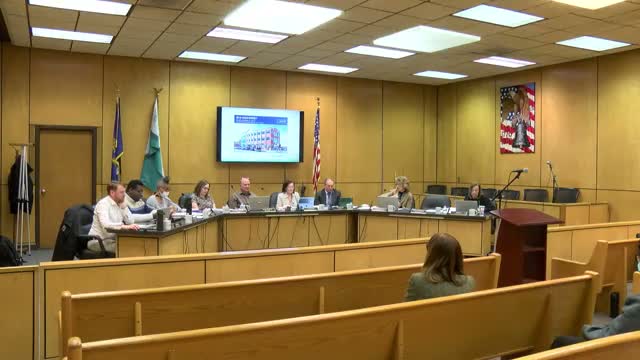
David Clayton, director of harm-reduction services at Face Addiction Now (FAN), told the commission that FAN's FY25 outreach reached 214 unique individuals across 499 conversations and had substantial harm-reduction results.
"During FY25, we have engaged in 499 total conversations among those being 214 unique individuals serviced," Clayton said, reporting that 61.3% of those individuals were serviced five times or more. He also provided his organization's distribution data: "894 doses of naloxone were disseminated directly into the community, and out of those, 28 confirmed overdose reversals. So 28 saved lives."
Clayton described a street-medicine model that pairs FAN outreach with Michigan State University College of Osteopathic Medicine students and supervising physicians to provide on-the-spot medical care; he said FAN used opioid-settlement funds awarded by the city for basic needs supplies and outreach. He told commissioners that 14 individuals received medical care during outreach, eight were referred to inpatient treatment or detox and three individuals "successfully started housing."
Clayton said he received an MDHHS grant to hire a nurse practitioner so the program will have a consistent clinical presence on outreach shifts rather than relying on medical students whose availability varies with exams and labs. "Now I'll have ... a full position of a nurse practitioner out with us every outreach shift that can provide direct medical care, and there are no gaps in that," he said.
Clayton acknowledged community concerns about syringe litter and said his team organizes cleanups and trains businesses in naloxone use. He announced plans to expand local cleanups and to organize a statewide community-cleanup day tied to harm-reduction outreach.
Commissioners thanked Clayton and discussed additional support. City staff said opioid-settlement funds are available and that they would place a donation request on a future agenda to continue supporting the program. No formal appropriation was made at the meeting.
"During FY25, we have engaged in 499 total conversations among those being 214 unique individuals serviced," Clayton said, reporting that 61.3% of those individuals were serviced five times or more. He also provided his organization's distribution data: "894 doses of naloxone were disseminated directly into the community, and out of those, 28 confirmed overdose reversals. So 28 saved lives."
Clayton described a street-medicine model that pairs FAN outreach with Michigan State University College of Osteopathic Medicine students and supervising physicians to provide on-the-spot medical care; he said FAN used opioid-settlement funds awarded by the city for basic needs supplies and outreach. He told commissioners that 14 individuals received medical care during outreach, eight were referred to inpatient treatment or detox and three individuals "successfully started housing."
Clayton said he received an MDHHS grant to hire a nurse practitioner so the program will have a consistent clinical presence on outreach shifts rather than relying on medical students whose availability varies with exams and labs. "Now I'll have ... a full position of a nurse practitioner out with us every outreach shift that can provide direct medical care, and there are no gaps in that," he said.
Clayton acknowledged community concerns about syringe litter and said his team organizes cleanups and trains businesses in naloxone use. He announced plans to expand local cleanups and to organize a statewide community-cleanup day tied to harm-reduction outreach.
Commissioners thanked Clayton and discussed additional support. City staff said opioid-settlement funds are available and that they would place a donation request on a future agenda to continue supporting the program. No formal appropriation was made at the meeting.
View the Full Meeting & All Its Details
This article offers just a summary. Unlock complete video, transcripts, and insights as a Founder Member.
✓
Watch full, unedited meeting videos
✓
Search every word spoken in unlimited transcripts
✓
AI summaries & real-time alerts (all government levels)
✓
Permanent access to expanding government content
30-day money-back guarantee
