Fargo survey: majority feel safe but concerns persist over mental-health resources, property crime and traffic
February 14, 2026 | Fargo , Cass County, North Dakota
This article was created by AI summarizing key points discussed. AI makes mistakes, so for full details and context, please refer to the video of the full meeting. Please report any errors so we can fix them. Report an error »
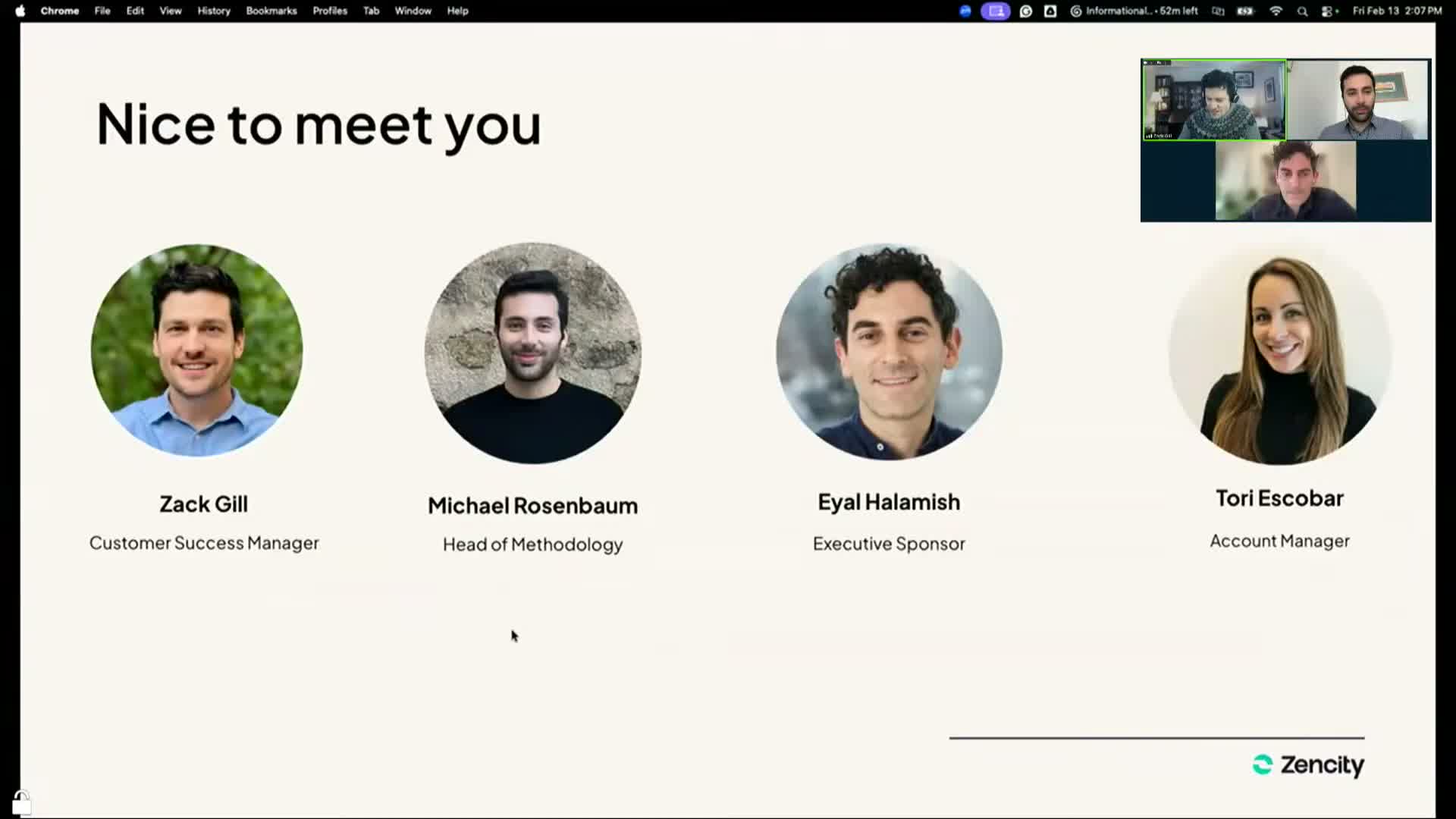
Zencity consultants told the Fargo City Commission that a citywide public-safety benchmarking survey finds most residents report feeling safe, but significant pockets of concern remain about mental-health resources, property crime and traffic.
The presentation on the fall survey—outlined by Zach Gill, customer success manager at Zencity—reported that 61% of respondents said they feel "mostly" or "completely" safe in their neighborhood, while 39% reported more negative views. Gill said 80% of respondents said they would be willing to contact the Fargo Police Department if they were a victim or witness to a crime, a measure consultants described as a signal of public trust.
Why it matters: commissioners said the results give a baseline to shape patrol tactics and future budget requests. Police Chief Dave Zabalski told the commission the department plans to combine the survey with current crime statistics and present beat-level findings at neighborhood meetings to guide resource allocation.
Methodology and representativeness: Michael Rosenbaum, who identified himself as leading methodology at Sun City, explained why the firm targets roughly 400–500 responses for local surveys to provide reliable estimates and allow subdivision (beat) analysis. Rosenbaum said the company uses targeted digital advertising, mandatory demographic questions and rake weighting to adjust samples to census demographics. He warned that increasing sample size indefinitely risks respondent fatigue and reduced representativeness.
Language access and demographic drilldowns: Commissioner John Strand asked how non-English speakers were included. Eyal Holomish, Zencity’s vice president of account management, said ads are targeted in the language set on a device and that responses in other languages are auto-translated for open-text analysis. Consultants and the chief agreed to provide demographic and language breakdowns, including age and ethnic groups, in follow-up materials.
Key concerns highlighted: Consultants identified the top open-ended concerns as streets and traffic (including speeding and reckless driving), drug activity, and police presence. Gill said responses on sufficiency of mental-health resources were among the lowest-scoring items (about a third positive and roughly 38% negative). Satisfaction with how property crime is being addressed registered lower positive scores as well.
Non-reporting and public perception: Gill reported that among the roughly 9% of respondents who said they experienced a crime but did not report it, the most common reasons selected were that reporting "would not make a difference" and a lack of trust that a report "would be taken seriously." Consultants also said that news reports and social media were the most-cited reasons residents flagged specific locations as unsafe, stressing the difference between perception and local crime statistics.
Benchmarks and next steps: Gill said Fargo’s scores largely align with cohort and national benchmarks—slightly behind on safety and fairness but slightly ahead on measures of respect and resident voice. Chief Zabalski said the department will use the survey alongside crime-trend analysis to inform beat-level discussions, and that adding officers (a budget decision) is the primary way to increase visible presence in neighborhoods. The department and Zencity agreed to provide the final report, beat maps, and additional drilldowns to commissioners and to present targeted briefings at upcoming neighborhood meetings.
The commission thanked presenters and adjourned with an expectation of follow-up materials and further beat-level briefings.
The presentation on the fall survey—outlined by Zach Gill, customer success manager at Zencity—reported that 61% of respondents said they feel "mostly" or "completely" safe in their neighborhood, while 39% reported more negative views. Gill said 80% of respondents said they would be willing to contact the Fargo Police Department if they were a victim or witness to a crime, a measure consultants described as a signal of public trust.
Why it matters: commissioners said the results give a baseline to shape patrol tactics and future budget requests. Police Chief Dave Zabalski told the commission the department plans to combine the survey with current crime statistics and present beat-level findings at neighborhood meetings to guide resource allocation.
Methodology and representativeness: Michael Rosenbaum, who identified himself as leading methodology at Sun City, explained why the firm targets roughly 400–500 responses for local surveys to provide reliable estimates and allow subdivision (beat) analysis. Rosenbaum said the company uses targeted digital advertising, mandatory demographic questions and rake weighting to adjust samples to census demographics. He warned that increasing sample size indefinitely risks respondent fatigue and reduced representativeness.
Language access and demographic drilldowns: Commissioner John Strand asked how non-English speakers were included. Eyal Holomish, Zencity’s vice president of account management, said ads are targeted in the language set on a device and that responses in other languages are auto-translated for open-text analysis. Consultants and the chief agreed to provide demographic and language breakdowns, including age and ethnic groups, in follow-up materials.
Key concerns highlighted: Consultants identified the top open-ended concerns as streets and traffic (including speeding and reckless driving), drug activity, and police presence. Gill said responses on sufficiency of mental-health resources were among the lowest-scoring items (about a third positive and roughly 38% negative). Satisfaction with how property crime is being addressed registered lower positive scores as well.
Non-reporting and public perception: Gill reported that among the roughly 9% of respondents who said they experienced a crime but did not report it, the most common reasons selected were that reporting "would not make a difference" and a lack of trust that a report "would be taken seriously." Consultants also said that news reports and social media were the most-cited reasons residents flagged specific locations as unsafe, stressing the difference between perception and local crime statistics.
Benchmarks and next steps: Gill said Fargo’s scores largely align with cohort and national benchmarks—slightly behind on safety and fairness but slightly ahead on measures of respect and resident voice. Chief Zabalski said the department will use the survey alongside crime-trend analysis to inform beat-level discussions, and that adding officers (a budget decision) is the primary way to increase visible presence in neighborhoods. The department and Zencity agreed to provide the final report, beat maps, and additional drilldowns to commissioners and to present targeted briefings at upcoming neighborhood meetings.
The commission thanked presenters and adjourned with an expectation of follow-up materials and further beat-level briefings.
View the Full Meeting & All Its Details
This article offers just a summary. Unlock complete video, transcripts, and insights as a Founder Member.
✓
Watch full, unedited meeting videos
✓
Search every word spoken in unlimited transcripts
✓
AI summaries & real-time alerts (all government levels)
✓
Permanent access to expanding government content
30-day money-back guarantee
