White House says jobs, inflation and housing trends show administration progress
February 18, 2026 | Department of State, Executive, Federal
This article was created by AI summarizing key points discussed. AI makes mistakes, so for full details and context, please refer to the video of the full meeting. Please report any errors so we can fix them. Report an error »
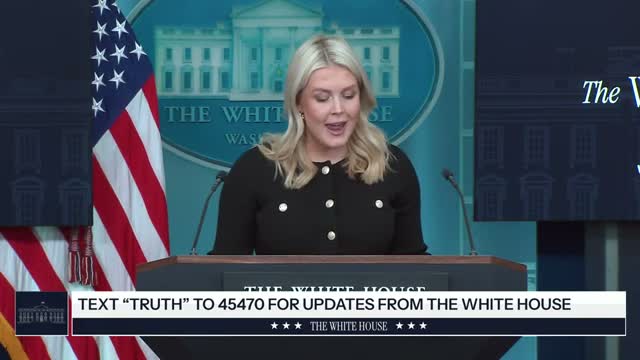
At a White House briefing, a presidential spokesperson said the economy is showing "promising signs," citing the January jobs report and recent inflation data as evidence of administration success. "The January jobs report shattered expectations," the spokesperson said, adding that the economy added "172,000 new private sector jobs" in the month and that "615,000 private sector jobs" have been added in the president's second term so far.
The spokesperson also said the prime-age labor force participation rate is "now at its highest since 2001" and claimed federal employment has fallen "to its lowest level since 1966," a change the administration said saves taxpayers "$29,000,000,000 annually." On price trends, the spokesperson said year-over-year consumer price inflation was "2.4% in January" and that "core inflation" has fallen to its lowest level in nearly five years.
The administration tied several consumer-cost improvements to policy actions. The spokesperson said annual mortgage costs for a new home have fallen by about $4,000 since the president took office and that median rents and national rental costs have fallen to four-year lows. On gasoline, the spokesperson said national averages have fallen "almost 10 percent over the past year" and that some states are seeing prices under $2 per gallon.
On prescription drug prices, the spokesperson credited forthcoming "most favored nation" deals and White House health proposals for additional relief. The briefing did not include supporting documents for all of the administration's numerical claims; the spokesperson said an economic analysis used to estimate auto-savings tied to an EPA rollback is available and offered to provide the jobs and pledge breakdowns after the briefing.
Why it matters: Jobs, inflation and housing metrics are central to voters' pocketbook concerns and to the White House's messaging strategy. The administration presented these figures as evidence its policies are improving economic outcomes, and the spokesperson repeatedly framed the improvements as part of a broader policy agenda.
The spokesperson closed by offering to provide reporters with the underlying economic analysis and other documentation and then moved to questions on foreign policy, infrastructure and other topics.
The spokesperson also said the prime-age labor force participation rate is "now at its highest since 2001" and claimed federal employment has fallen "to its lowest level since 1966," a change the administration said saves taxpayers "$29,000,000,000 annually." On price trends, the spokesperson said year-over-year consumer price inflation was "2.4% in January" and that "core inflation" has fallen to its lowest level in nearly five years.
The administration tied several consumer-cost improvements to policy actions. The spokesperson said annual mortgage costs for a new home have fallen by about $4,000 since the president took office and that median rents and national rental costs have fallen to four-year lows. On gasoline, the spokesperson said national averages have fallen "almost 10 percent over the past year" and that some states are seeing prices under $2 per gallon.
On prescription drug prices, the spokesperson credited forthcoming "most favored nation" deals and White House health proposals for additional relief. The briefing did not include supporting documents for all of the administration's numerical claims; the spokesperson said an economic analysis used to estimate auto-savings tied to an EPA rollback is available and offered to provide the jobs and pledge breakdowns after the briefing.
Why it matters: Jobs, inflation and housing metrics are central to voters' pocketbook concerns and to the White House's messaging strategy. The administration presented these figures as evidence its policies are improving economic outcomes, and the spokesperson repeatedly framed the improvements as part of a broader policy agenda.
The spokesperson closed by offering to provide reporters with the underlying economic analysis and other documentation and then moved to questions on foreign policy, infrastructure and other topics.
Don't Miss a Word: See the Full Meeting!
Go beyond summaries. Unlock every video, transcript, and key insight with a Founder Membership.
✓
Get instant access to full meeting videos
✓
Search and clip any phrase from complete transcripts
✓
Receive AI-powered summaries & custom alerts
✓
Enjoy lifetime, unrestricted access to government data
30-day money-back guarantee
