Pasco budget office presents FY27 revenue scenarios; flags possible $88.4M hit from tax reform
February 18, 2026 | Pasco County, Florida
This article was created by AI summarizing key points discussed. AI makes mistakes, so for full details and context, please refer to the video of the full meeting. Please report any errors so we can fix them. Report an error »
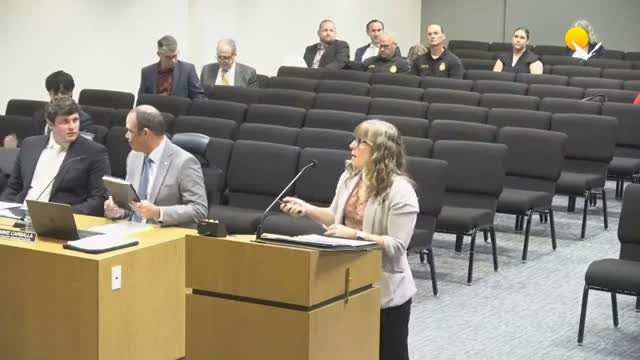
Amy Farrell, Pasco County budget director, presented the county’s FY27 budget cycle timeline, revenue projections and scenario planning on Feb. 17, telling commissioners the local economy is returning to a pre‑COVID pattern but that rising costs and potential state property tax reforms create uncertainty.
Farrell outlined three taxable assessed value growth scenarios (4%, 6%, 8%) and explained how those scenarios translate to general‑fund revenues after statutorily required allocations; for example, a midrange scenario was presented as adding roughly $11,000,000 to the general fund after the sheriff’s share and other required distributions. She emphasized the county continues to scenario plan because differences in revaluation and new construction timing materially affect FY27 outcomes.
Key budget pressures identified include public safety staffing and jail operational costs, the upcoming solid waste rate study, the full operational burden for the Wesley Chapel library and potential impacts from pending state property tax reform. Farrell noted staff is monitoring multiple reform proposals and described one illustrative fiscal exposure—$88.4 million in potential revenue loss under a broad reform scenario—while stressing it is too early in the legislative process to finalize plans.
Farrell also reviewed how each dollar of local property tax is distributed (noting 38¢ to schools and 60¢ to county levies under the presented slide) and described millage issues the board will address this budget cycle, including newly formed MSTUs for law enforcement and fire/rescue. She closed by outlining next steps: one‑on‑one briefings with commissioners and additional workshops through June and into the formal budget hearings in September.
"We like to have scenario plans so that as things shake out it's easier to pivot," Farrell told the board, summarizing staff’s approach to an uncertain legislative environment.
The presentation generated questions from commissioners about tangible personal property exemptions, potential portability of exemptions, and the effects of millage adjustments; staff said they would follow up as legislative proposals clarify.
Farrell outlined three taxable assessed value growth scenarios (4%, 6%, 8%) and explained how those scenarios translate to general‑fund revenues after statutorily required allocations; for example, a midrange scenario was presented as adding roughly $11,000,000 to the general fund after the sheriff’s share and other required distributions. She emphasized the county continues to scenario plan because differences in revaluation and new construction timing materially affect FY27 outcomes.
Key budget pressures identified include public safety staffing and jail operational costs, the upcoming solid waste rate study, the full operational burden for the Wesley Chapel library and potential impacts from pending state property tax reform. Farrell noted staff is monitoring multiple reform proposals and described one illustrative fiscal exposure—$88.4 million in potential revenue loss under a broad reform scenario—while stressing it is too early in the legislative process to finalize plans.
Farrell also reviewed how each dollar of local property tax is distributed (noting 38¢ to schools and 60¢ to county levies under the presented slide) and described millage issues the board will address this budget cycle, including newly formed MSTUs for law enforcement and fire/rescue. She closed by outlining next steps: one‑on‑one briefings with commissioners and additional workshops through June and into the formal budget hearings in September.
"We like to have scenario plans so that as things shake out it's easier to pivot," Farrell told the board, summarizing staff’s approach to an uncertain legislative environment.
The presentation generated questions from commissioners about tangible personal property exemptions, potential portability of exemptions, and the effects of millage adjustments; staff said they would follow up as legislative proposals clarify.
View the Full Meeting & All Its Details
This article offers just a summary. Unlock complete video, transcripts, and insights as a Founder Member.
✓
Watch full, unedited meeting videos
✓
Search every word spoken in unlimited transcripts
✓
AI summaries & real-time alerts (all government levels)
✓
Permanent access to expanding government content
30-day money-back guarantee
