Raleigh staff outline compensation and benefits strategy; no immediate changes proposed
February 16, 2026 | Raleigh, Wake County, North Carolina
This article was created by AI summarizing key points discussed. AI makes mistakes, so for full details and context, please refer to the video of the full meeting. Please report any errors so we can fix them. Report an error »
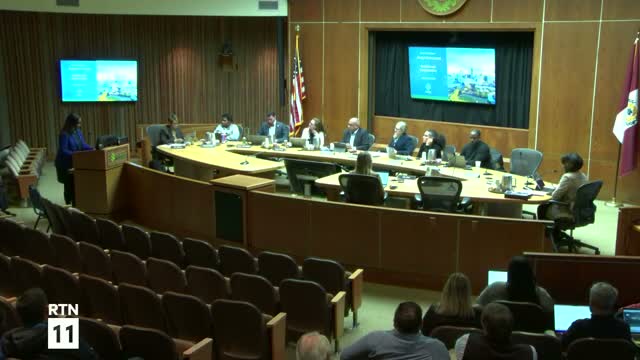
Human Resources briefed the council on compensation and benefits during the work session, describing recent investments in pay and a planned multi‑year approach to health‑plan design.
"This is meant to be an informative session. No decision no decisions are being asked for today," Sharnell Jones, director of Human Resources, told the council as she reviewed total rewards, compensation changes implemented since July 2025 and next steps for FY27.
Jones said the city invested roughly $39.9 million toward compensation efforts, including approximately $22.2 million for general employees and $17.7 million for public safety as part of the implemented classification and compensation study. She said the city fully implemented that study in September 2025 “with no tax increase.”
The HR director summarized benefit and retention surveys: about 1,151 employees responded to the benefits survey (roughly a 15.5% response rate), and top‑ranked benefits were medical/prescription coverage, paid time off, dental, supplemental retirement and vision. A targeted ‘‘stay’’ survey of employees with five to nine years’ service produced 366 responses and identified benefits and workplace flexibility as major retention drivers.
Jones said the city covers more than 9,000 lives on its self‑insured health plan; total health costs were about $57 million last year, with the city covering roughly $48.3 million and employees paying about $8.7 million. The city’s broker projected increases for 2026 (Jones noted about a 7.5% increase for medical and a roughly 13% increase for pharmacy), prompting staff to propose a careful review of plan design and preventive programs to manage costs.
CFO Lisonbee Bradshaw followed with a briefing on OPEB (other post‑employment benefits), noting a current OPEB liability of about $210 million and modelled scenarios that change eligibility for new hires. Bradshaw said moving eligibility thresholds has modest savings, while closing the plan to new hires produces the most significant long‑term reduction in liabilities.
Councilors asked for comparative benchmarks (other municipalities), more detail on survey response trends and an estimate of how changes might affect recruitment. Jones said staff will return with additional analyses, benchmarking and recommended plan design options as part of the FY27 budget process.
No policy change or vote was taken at the session; staff said options and timelines will be part of subsequent budget deliberations.
"This is meant to be an informative session. No decision no decisions are being asked for today," Sharnell Jones, director of Human Resources, told the council as she reviewed total rewards, compensation changes implemented since July 2025 and next steps for FY27.
Jones said the city invested roughly $39.9 million toward compensation efforts, including approximately $22.2 million for general employees and $17.7 million for public safety as part of the implemented classification and compensation study. She said the city fully implemented that study in September 2025 “with no tax increase.”
The HR director summarized benefit and retention surveys: about 1,151 employees responded to the benefits survey (roughly a 15.5% response rate), and top‑ranked benefits were medical/prescription coverage, paid time off, dental, supplemental retirement and vision. A targeted ‘‘stay’’ survey of employees with five to nine years’ service produced 366 responses and identified benefits and workplace flexibility as major retention drivers.
Jones said the city covers more than 9,000 lives on its self‑insured health plan; total health costs were about $57 million last year, with the city covering roughly $48.3 million and employees paying about $8.7 million. The city’s broker projected increases for 2026 (Jones noted about a 7.5% increase for medical and a roughly 13% increase for pharmacy), prompting staff to propose a careful review of plan design and preventive programs to manage costs.
CFO Lisonbee Bradshaw followed with a briefing on OPEB (other post‑employment benefits), noting a current OPEB liability of about $210 million and modelled scenarios that change eligibility for new hires. Bradshaw said moving eligibility thresholds has modest savings, while closing the plan to new hires produces the most significant long‑term reduction in liabilities.
Councilors asked for comparative benchmarks (other municipalities), more detail on survey response trends and an estimate of how changes might affect recruitment. Jones said staff will return with additional analyses, benchmarking and recommended plan design options as part of the FY27 budget process.
No policy change or vote was taken at the session; staff said options and timelines will be part of subsequent budget deliberations.
View the Full Meeting & All Its Details
This article offers just a summary. Unlock complete video, transcripts, and insights as a Founder Member.
✓
Watch full, unedited meeting videos
✓
Search every word spoken in unlimited transcripts
✓
AI summaries & real-time alerts (all government levels)
✓
Permanent access to expanding government content
30-day money-back guarantee
