Judiciary—Criminal committee advances broad slate of criminal-justice bills, including ‘Trey’s Law’ and new deepfake crime
February 17, 2026 | 2026 Legislature OK, Oklahoma
This article was created by AI summarizing key points discussed. AI makes mistakes, so for full details and context, please refer to the video of the full meeting. Please report any errors so we can fix them. Report an error »
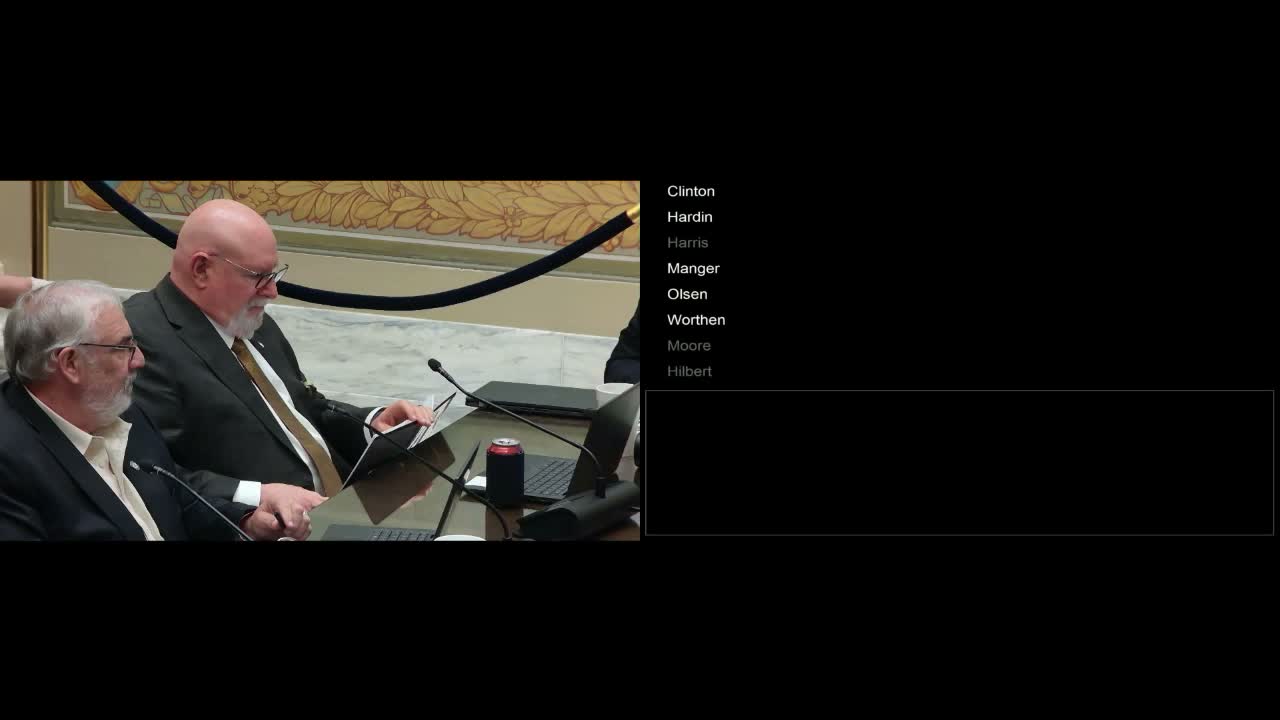
The Oklahoma House Judiciary—Criminal Committee advanced a wide-ranging package of criminal-justice and public-safety bills during an afternoon session, moving multiple policy committee substitutes and voting several measures out of committee.
Representative Kennedy presented what he called "Trey's Law," a measure to let survivors of child sexual abuse tell their stories and pursue claims despite nondisclosure agreements. "This really is about protecting children that have been ... abused," Representative Kennedy said, and the committee discussed how existing statutes of limitations would apply. The chair later announced the bill as due passed.
Representative Harris presented House Bill 3743 as a policy committee substitute with an amendment that removes a section and changes a permissive term to a mandatory one; he said the measure implements a Department of Mental Health request related to a consent decree and "sets up the process for community based outpatient restoration treatment." The PCS was adopted as amended and shown do-pass.
Other bills that the committee advanced included HB 3299 — described by Representative Hayes as a new criminal statute prohibiting the creation or dissemination of digitized or synthetic media (commonly called "deepfakes") depicting a person without written consent and with intent to cause emotional or financial harm — and HB 3903, a bill to require domestic-violence incident reports and periodic judicial training, described by Representative Hefner as a measure to address Oklahoma's high intimate-partner-violence rates.
The committee also considered bills on parole pathways for incarcerated people aged 65 and older, electronic arrest warrants, expanding identity-theft statutes, human-trafficking prevention, and clarifications aligning state firearms law with anticipated federal changes. Several sponsors answered member questions on standards of proof, eligibility criteria, administrative responsibilities and funding sources before the committee moved each measure. When votes were recorded in the transcript, most advanced with voice tallies reported from the clerk.
Votes at a glance (committee action as recorded in the transcript):
- HB 3586 (abuse/neglect charging modifications): do-pass (voice vote announced)
- HB 3584 (human trafficking—sentencing enhancements for minors and people with disabilities): do-pass (voice vote announced)
- HB 3587 (outpatient restoration process): do-pass (voice vote announced)
- HB 3743 (community-based outpatient restoration; PCS as amended): do-pass (6 ayes reported)
- HB 4227 ("Trey's Law" — child abuse claims / nondisclosure): do-pass (majority reported)
- HB 3764 (enhanced penalties/double time and fine; amendment revising proof language): do-pass (majority reported)
- HB 3767 (Controlled Substances Act additions): do-pass (majority reported)
- HB 3606 (court review for medically infirm registered offenders): do-pass (majority reported)
- HB 3299 (criminal prohibition on synthetic media/deepfakes): do-pass (6 ayes reported)
- HB 3835 (human trafficking prevention): do-pass (6 ayes reported)
- HB 3244 (identity theft/fraud expansion): do-pass (6 ayes reported)
- HB 4130 (online gaming/Indian lands clarification; amendment adopted): do-pass (majority reported)
- HB 3053 (parole pathway for 65+ incarcerated individuals): do-pass (majority reported)
- HB 3269 (electronic arrest warrants): do-pass (majority reported)
- HB 3301 (firearms barrel-length alignment with federal changes; amendment adopted): do-pass (majority reported)
- HB 3430 (court fines/fees cleanup; poverty-threshold questions): do-pass (majority reported)
- HB 3497 (state appeal of pretrial orders): do-pass (majority reported)
- HB 3755 (juvenile medication transfer obligations for OJA): do-pass (6 ayes reported)
- HB 3840 / HB 3848 (transitional housing for formerly incarcerated/offenders; changes to residency rules): do-pass (voice tallies reported)
- HB 3903 / HB 3905 (domestic-violence incident reporting and GPS-monitoring amendment): do-pass (6 ayes reported)
What mattered
Representative Kennedy's description of "Trey's Law" and Representative Harris's explanation of the Department of Mental Health request for community-based outpatient restoration drew the most sustained attention. Members pressed sponsors for specifics about statute-of-limitations treatment in the child-abuse bill, documentation and standards for medical infirmity reviews in registry-removal cases, and how GPS monitoring funding would be administered in domestic-violence cases.
The committee ran through a heavy agenda and adopted multiple amendments, frequently adopting PCS versions as "working drafts" before voting. When sponsor statements referenced administrative practices or funding (for example, GPS-monitoring funds or DOC monitoring responsibilities), committee members sought clarification, and sponsors generally responded that existing agencies or programs would carry out the operations described.
What comes next
The bills shown do-pass will be reported out of committee to the next stage in the House. Sponsors who indicated outstanding drafting issues said they would work on changes ahead of subsequent floor or committee consideration. The committee adjourned after completing the agenda.
Quotes (selected)
"This really is about protecting children that have been ... abused," Representative Kennedy said of "Trey's Law."
"This sets up the process for community based outpatient restoration treatment," Representative Harris said when describing HB 3743.
"It removes barriers for counties that are ready to act," Representative Hefner said of a GPS-monitoring amendment intended to allow counties to use available funds in high-risk domestic-violence cases.
Sources and limitations
This account is based solely on the committee transcript provided; vote tallies are those announced in the transcript (many recorded as "6 ayes," voice votes or similar phrasing). Where the transcript used abbreviated or inconsistent spellings for sponsor names, the article uses the names as spoken in the record and attributes quotes only to the speakers named in the transcript. The article does not infer outcomes or later floor actions beyond what the committee recorded.
Representative Kennedy presented what he called "Trey's Law," a measure to let survivors of child sexual abuse tell their stories and pursue claims despite nondisclosure agreements. "This really is about protecting children that have been ... abused," Representative Kennedy said, and the committee discussed how existing statutes of limitations would apply. The chair later announced the bill as due passed.
Representative Harris presented House Bill 3743 as a policy committee substitute with an amendment that removes a section and changes a permissive term to a mandatory one; he said the measure implements a Department of Mental Health request related to a consent decree and "sets up the process for community based outpatient restoration treatment." The PCS was adopted as amended and shown do-pass.
Other bills that the committee advanced included HB 3299 — described by Representative Hayes as a new criminal statute prohibiting the creation or dissemination of digitized or synthetic media (commonly called "deepfakes") depicting a person without written consent and with intent to cause emotional or financial harm — and HB 3903, a bill to require domestic-violence incident reports and periodic judicial training, described by Representative Hefner as a measure to address Oklahoma's high intimate-partner-violence rates.
The committee also considered bills on parole pathways for incarcerated people aged 65 and older, electronic arrest warrants, expanding identity-theft statutes, human-trafficking prevention, and clarifications aligning state firearms law with anticipated federal changes. Several sponsors answered member questions on standards of proof, eligibility criteria, administrative responsibilities and funding sources before the committee moved each measure. When votes were recorded in the transcript, most advanced with voice tallies reported from the clerk.
Votes at a glance (committee action as recorded in the transcript):
- HB 3586 (abuse/neglect charging modifications): do-pass (voice vote announced)
- HB 3584 (human trafficking—sentencing enhancements for minors and people with disabilities): do-pass (voice vote announced)
- HB 3587 (outpatient restoration process): do-pass (voice vote announced)
- HB 3743 (community-based outpatient restoration; PCS as amended): do-pass (6 ayes reported)
- HB 4227 ("Trey's Law" — child abuse claims / nondisclosure): do-pass (majority reported)
- HB 3764 (enhanced penalties/double time and fine; amendment revising proof language): do-pass (majority reported)
- HB 3767 (Controlled Substances Act additions): do-pass (majority reported)
- HB 3606 (court review for medically infirm registered offenders): do-pass (majority reported)
- HB 3299 (criminal prohibition on synthetic media/deepfakes): do-pass (6 ayes reported)
- HB 3835 (human trafficking prevention): do-pass (6 ayes reported)
- HB 3244 (identity theft/fraud expansion): do-pass (6 ayes reported)
- HB 4130 (online gaming/Indian lands clarification; amendment adopted): do-pass (majority reported)
- HB 3053 (parole pathway for 65+ incarcerated individuals): do-pass (majority reported)
- HB 3269 (electronic arrest warrants): do-pass (majority reported)
- HB 3301 (firearms barrel-length alignment with federal changes; amendment adopted): do-pass (majority reported)
- HB 3430 (court fines/fees cleanup; poverty-threshold questions): do-pass (majority reported)
- HB 3497 (state appeal of pretrial orders): do-pass (majority reported)
- HB 3755 (juvenile medication transfer obligations for OJA): do-pass (6 ayes reported)
- HB 3840 / HB 3848 (transitional housing for formerly incarcerated/offenders; changes to residency rules): do-pass (voice tallies reported)
- HB 3903 / HB 3905 (domestic-violence incident reporting and GPS-monitoring amendment): do-pass (6 ayes reported)
What mattered
Representative Kennedy's description of "Trey's Law" and Representative Harris's explanation of the Department of Mental Health request for community-based outpatient restoration drew the most sustained attention. Members pressed sponsors for specifics about statute-of-limitations treatment in the child-abuse bill, documentation and standards for medical infirmity reviews in registry-removal cases, and how GPS monitoring funding would be administered in domestic-violence cases.
The committee ran through a heavy agenda and adopted multiple amendments, frequently adopting PCS versions as "working drafts" before voting. When sponsor statements referenced administrative practices or funding (for example, GPS-monitoring funds or DOC monitoring responsibilities), committee members sought clarification, and sponsors generally responded that existing agencies or programs would carry out the operations described.
What comes next
The bills shown do-pass will be reported out of committee to the next stage in the House. Sponsors who indicated outstanding drafting issues said they would work on changes ahead of subsequent floor or committee consideration. The committee adjourned after completing the agenda.
Quotes (selected)
"This really is about protecting children that have been ... abused," Representative Kennedy said of "Trey's Law."
"This sets up the process for community based outpatient restoration treatment," Representative Harris said when describing HB 3743.
"It removes barriers for counties that are ready to act," Representative Hefner said of a GPS-monitoring amendment intended to allow counties to use available funds in high-risk domestic-violence cases.
Sources and limitations
This account is based solely on the committee transcript provided; vote tallies are those announced in the transcript (many recorded as "6 ayes," voice votes or similar phrasing). Where the transcript used abbreviated or inconsistent spellings for sponsor names, the article uses the names as spoken in the record and attributes quotes only to the speakers named in the transcript. The article does not infer outcomes or later floor actions beyond what the committee recorded.
View the Full Meeting & All Its Details
This article offers just a summary. Unlock complete video, transcripts, and insights as a Founder Member.
✓
Watch full, unedited meeting videos
✓
Search every word spoken in unlimited transcripts
✓
AI summaries & real-time alerts (all government levels)
✓
Permanent access to expanding government content
30-day money-back guarantee
